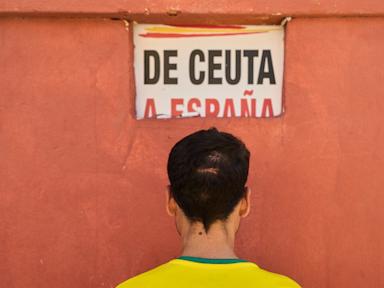
Thousands of people who crossed into the Spanish enclave of Ceuta from Morocco find themselves stuck in a harsh reality. Months after a massive border surge, makeshift tent settlements on beaches like El Trampolín have been bulldozed, leaving migrants trapped in a brutal cycle of legal limbo, alleged abuse, and impossible choices about whether to stay or return home.
If you look past the political posturing between Madrid and local authorities, the human cost is staggering. Young men, unaccompanied minors, and individuals fleeing persecution are sleeping on cardboard and broken sofas, wondering if European protection is a myth.
The Breaking Point on the Border
The crisis exploded when tens of thousands of migrants rushed across the Moroccan border into Ceuta. While many returned or were pushed back quickly, thousands remained behind. They set up sprawling tent camps, hoping for asylum, work, or safety.
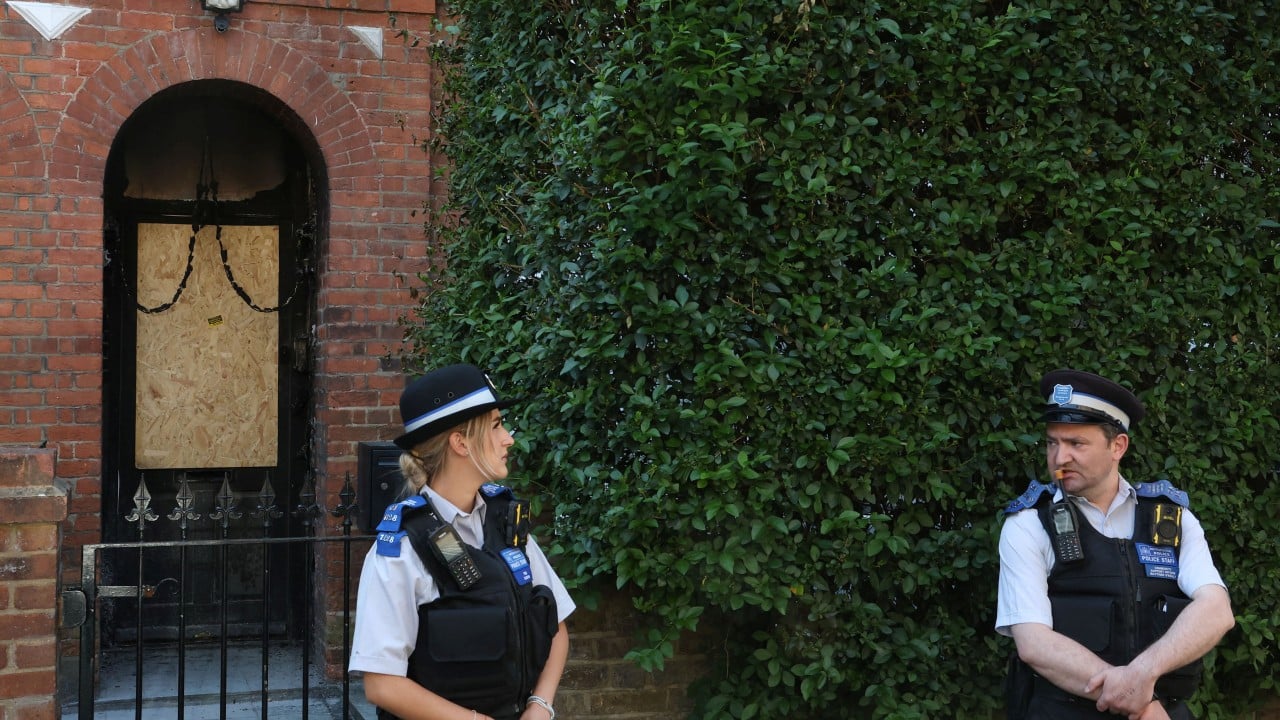
Instead, they found squalor and rising hostility. Local residents and officials in the Spanish exclave grew overwhelmed. Tensions peaked when authorities moved in with bulldozers to clear the camps, clearing away the makeshift shelters and leaving migrants scattering into hiding.
Why People Risk Everything to Stay
Why do thousands refuse to go back, even when living on the streets becomes unbearable? The answers vary, but they point to profound failures in their home countries.
Many young Moroccans say a high school diploma or local work offers zero upward mobility. Working long hours as butchers or artisans barely covers rent. For others, the stakes are life or death.
- Persecution for Sexual Orientation: Under Moroccan law, homosexuality carries criminal penalties. Several migrants fled after family members discovered private messages or photos, triggering severe threats or police reports. Spain's asylum framework formally recognizes gender identity and sexual orientation as grounds for protection, which keeps many holding on.
- Political and Religious Free Speech: Expressing dissenting views online carries heavy legal penalties in Morocco. Bloggers and content creators who criticized religion or politics have faced online death threats and physical kidnappings, making repatriation an existential threat.
- The Plight of Unaccompanied Minors: Teenage boys and young teens stranded without family face a Catch-22. While Spanish law theoretically protects minors, overwhelmed local government resources mean kids as young as 13 have spent months protesting on beaches for shelter spots that rarely materialize.
Safety Versus Survival
Living in Ceuta hasn't brought the sanctuary these migrants imagined. Reports of robbery, violence, and intimidation are rampant. Some migrants have alleged physical abuse by security forces during crackdowns, turning a humanitarian refuge into a zone of fear.
Yet, for many, the alternative back home is worse. Returning means facing the very laws, family pressures, or economic dead-ends they risked their lives to escape.
Local leaders like Ceuta Mayor Juan Vivas have openly urged national authorities to accelerate returns, arguing that the small territory cannot sustain thousands of unhoused people. Meanwhile, federal officials struggle to balance international asylum obligations with domestic political pressures.
As police continue clearing temporary camps and pushing migrants into administrative limbo, the question isn't just about border control. It's about what happens to human beings when safety becomes entirely out of reach.
If you are tracking European migration policy, watch how local municipal infrastructure handles unaccompanied minors in coming months. The outcome will set a dangerous precedent for future border arrivals across the Mediterranean.