When the British Home Office dropped the hammer and deported Stanislav Carpiuc back to the continent, it closed a bizarre chapter on one of the most brazen security breaches involving a British leader's private residence. If you followed the Old Bailey trial earlier this year, you already know the grim details. Arson plots fueled by encrypted messaging apps, shadowy cryptocurrency payoffs, and a terrifying midnight wake-up call for families living in north London.
Carpiuc, a 28-year-old Romanian national, was tossed out of the UK after serving part of a two-year prison sentence. His co-conspirator, 22-year-old Ukrainian national Roman Lavrynovych, pulled a heavier seven-year prison stretch for actually setting fire to properties and a car linked to former Prime Minister Sir Keir Starmer.
Let's look at what actually happened behind the headlines, why the case rattled British security agencies, and what this deportation signals for the future of foreign national offenders operating on UK soil.
The Telegram Conspiracy That Triggered High-Level Security Alarms
The plot wasn't born out of high-stakes political espionage from a foreign intelligence headquarter. Instead, it crawled out of the shadowy depths of Telegram.
Court documents revealed that Lavrynovych took orders from an anonymous online contact who went by the handle "El Money" (suspected by investigators to be linked to a young Russian diplomat). The handler dangled a modest bounty of £3,000 paid in cryptocurrency on the sole condition that the perpetrators filmed the blazes and made sure the media picked up the story.
Carpiuc wasn't the one holding the match. Prosecutors labeled him the "money man." His job was helping convert that digital currency into hard cash. Defense attorneys tried to spin a sympathetic yarn claiming Carpiuc was just trying to help a friend raise funds for a sick father. The Old Bailey jury didn't buy the excuse.
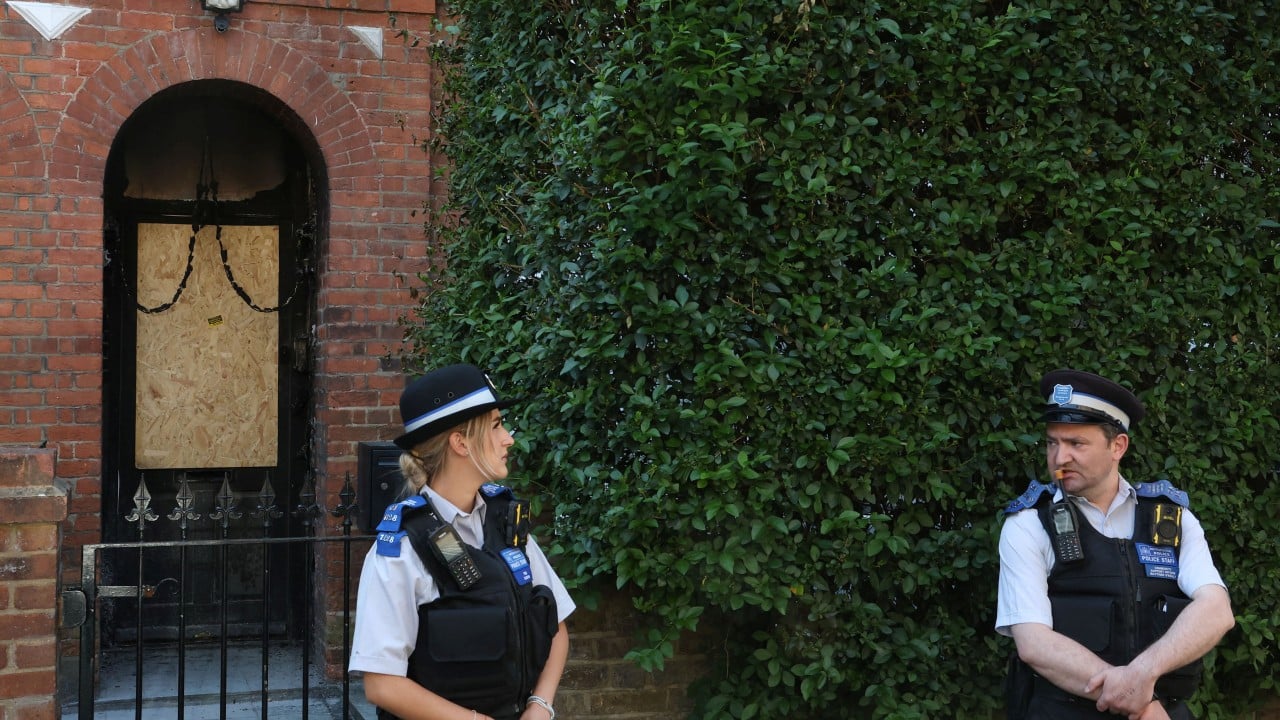
Between May 8 and May 12, terror hit close to home. A car previously owned by Starmer burst into flames on a Kentish Town street. Days later, a fire broke out at an Islington block of flats, followed swiftly by another blaze right at the entrance of Starmer’s Kentish Town residence. Inside that home at the time were family members, including the former prime minister's sister-in-law Judith Alexander, who woke up to terrifying bangs and thick smoke while her daughter slept.
Why Fast Deportation Is Becoming the New UK Standard
Foreign national offenders often exploit lengthy legal appeals to drag out their stay in Britain after conviction. The Home Office clearly wanted to bypass the usual bureaucratic delays in this high-profile security breach.
The messaging coming out of Whitehall is blunt. Government spokespeople made it crystal clear that anyone blinded by the promise of quick cash from anonymous online strangers will face swift justice, prison time, and immediate expulsion.
When foreign operatives target elected officials or high-profile public figures on British soil, the tolerance threshold drops to absolute zero. Downing Street and the Home Office know that letting convicted arsonists linger in British prisons at taxpayer expense—or worse, roam free after release—invites further security vulnerabilities.
The Broader Reality of Digital-Age Mercenaries
We are watching a dangerous evolution in criminal recruitment. You don't need a formal terrorist cell or a well-funded syndicate anymore. You just need a smartphone, an encrypted messaging channel, and desperate individuals willing to commit arson or sabotage for a few grand in crypto.
This case exposes the fragility of modern urban security. Properties linked to political figures are often sitting ducks if local surveillance or rapid response protocols fail. While Starmer was protected by his high office, his extended family bore the psychological brunt of a reckless proxy attack orchestrated by someone sitting behind a screen thousands of miles away.
The courts handed down sentences meant to deter copycats. The subsequent deportation of Carpiuc adds teeth to that deterrence. If you come to the UK, get mixed up in targeted violence or foreign-backed sabotage, your time on British turf is permanently finished.
Pack your bags. You're going home.



