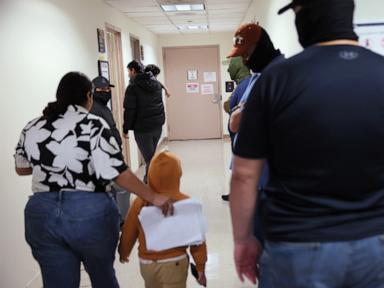
Immigration policy rarely stays quiet for long. Right now, a fresh battle is playing out over the fate of unaccompanied minors crossing into the United States. Advocacy groups are sounding alarms, accusing the White House of weaponizing administrative speed against some of the most vulnerable people on earth.
If you look past the political talking points, what's actually happening is a systemic reshaping of how asylum claims are handled. Children who fled gang violence, extreme poverty, or abuse back home are suddenly finding themselves rushed through a legal maze designed to churn out quick decisions rather than fair ones.
Let's break down what's driving this push, why legal experts are panicking, and what it means for the future of immigration enforcement.
The Mechanics Behind the Speedup
How do you accelerate a process that usually takes months or years? You remove the guardrails.
Over the past few months, the administration has pivoted toward aggressive tactics. Legal aid funding has faced severe disruptions, leaving countless children without proper representation. Organizations like the National Immigration Law Center and various regional advocacy groups have filed lawsuits, arguing that these rapid-fire scheduling changes effectively strip kids of their due process rights.
When a ten-year-old kid stands before an immigration judge without a lawyer, the outcome isn't really a trial. It's a formality.
Jennifer Podkul, Chief of Global Policy and Advocacy for Kids in Need of Defense, pointed out the core danger of this setup. When government-backed entities or compressed schedules dictate the pace, agencies like Health and Human Services, the Department of Justice, and the Department of Homeland Security end up aligned on the same side of the courtroom.
It creates a closed ecosystem. The government acts as custodian, prosecutor, judge, and potential counsel all at once. For a child trying to explain why they'll be killed if they return to their home country, that kind of system leaves zero room for error. Or justice.
Why Legal Representation Changes Everything
People often assume that immigration court works like criminal court. It doesn't. There is no public defender provided automatically to minors.
Without groups like the Florence Immigrant and Refugee Rights Project, Americans for Immigrant Justice, or the Amica Center for Immigrant Rights stepping in to provide pro bono legal counsel, kids are left entirely on their own. Studies have repeatedly shown that unrepresented children face deportation rates skyrocketing past ninety percent. With counsel, those odds improve dramatically because someone is actually there to present evidence, argue country conditions, and challenge procedural errors.
By throwing legal aid funding into chaos and contracting alternative providers, the administration has squeezed the pipeline dry. Nonprofits that spent decades building trust and expertise find themselves locked out or starved of resources. Meanwhile, the dockets keep moving at a relentless pace.
The Broader Strategy of Attrition
This isn't just about administrative efficiency. It's about deterrence.
If word gets out that arriving in the United States as an unaccompanied minor no longer grants you the time or protection to build a legitimate asylum case, the calculus changes for families desperate enough to send their kids north. Fast-tracking deportations acts as a blunt instrument.
Critics call it cruel. Supporters call it border enforcement. But beneath the rhetoric lies a stark reality: speed is being prioritized over substance. When immigration judges are pressured to clear dockets rather than evaluate claims, mistakes are inevitable. And in these cases, a mistake means sending a child back to active danger.
What Comes Next
Lawsuits are currently winding through federal courts to halt these accelerated schedules and restore funding streams for legal providers. But litigation takes time—something these children simply don't have.
If you're watching immigration policy unfold, keep a close eye on the courtroom battles surrounding legal representation contracts and docket management. The outcome won't just decide how fast a few thousand cases get processed. It will define whether the American asylum system still honors its legal obligations to protect children fleeing persecution.
The pressure is mounting on both sides. The administration isn't backing down from its enforcement agenda, and advocates aren't stopping their legal challenges. Expect this fight to define the national conversation on immigration for the rest of the year.