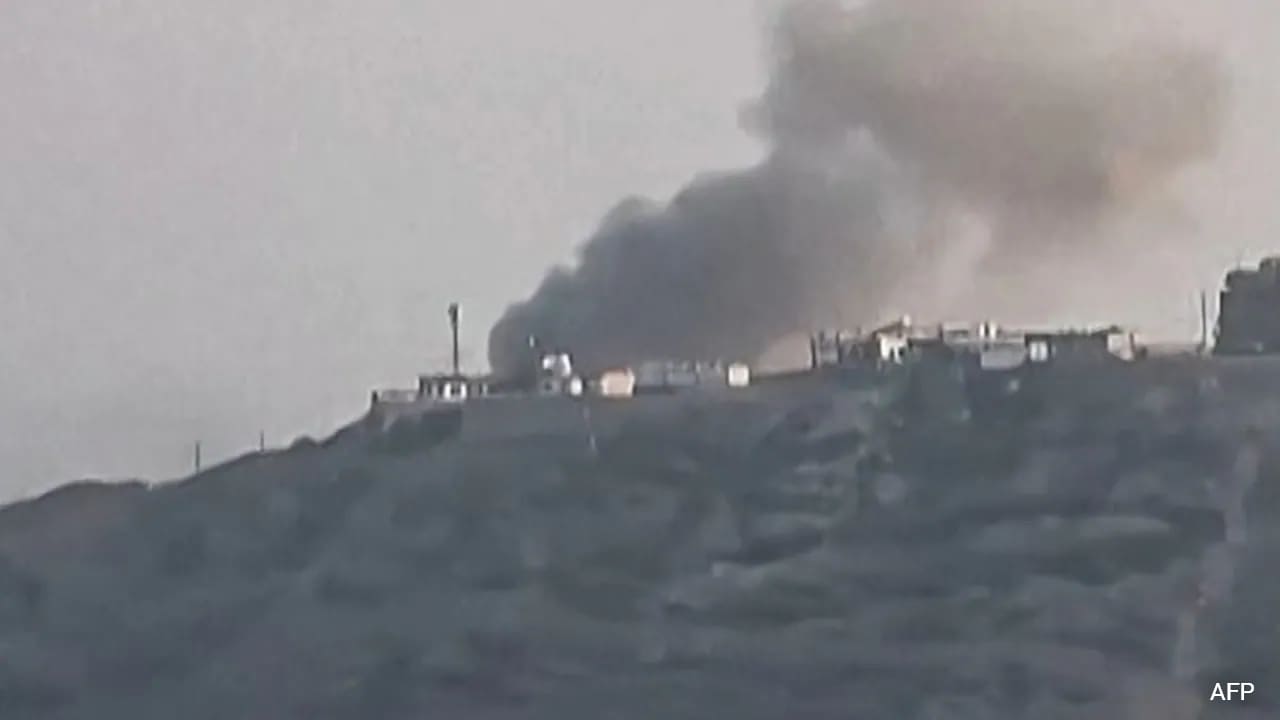
Two projectiles slammed into the airport in Aden on a Friday night, and honestly, nobody who watches the region closely was surprised. The strikes targeted a military zone housing units loyal to the Saudi-backed government, echoing a dangerous pattern of escalation. Just a day prior, a presidential palace complex in the same city took direct hits.
If you're trying to figure out why these events matter beyond the headline count, you have to look at what Aden actually represents in the broader puzzle of the civil conflict. Since 2015, this southern port city has served as the temporary seat for Yemen's internationally recognized government. When the administrative capital of a fractured state gets hit repeatedly, it exposes deep vulnerabilities in physical defense, intelligence gathering, and regional security pacts.
The Strategic Importance of Aden Airport
Airports in active conflict zones are never just civilian transit hubs. They double as logistical lifelines, staging grounds, and high-value political symbols. When an armed faction strikes an airfield, the goal goes beyond physical damage. It's about psychological impact and signaling control.
The military zone struck on Friday houses personnel aligned with the coalition supporting the official administration. By hitting this specific area, the attackers made a loud statement about the limits of government authority in the south. Security officials on the ground, speaking anonymously because they lacked media clearance, confirmed the hits landed squarely within the military perimeter.
The Context Behind the Escalation
To understand why this is happening now, you need to look at the broader arc of the conflict. The Iran-backed Houthi movement has maintained sustained military operations and missile campaigns against both domestic rivals and regional neighbors for over a decade. Even during periods of diplomatic engagement or fragile truces, strike capabilities remain intact and active.
What makes these recent projectile attacks particularly frustrating for analysts is how predictable yet difficult they are to stop. Air defense systems operating in complex urban environments often struggle against low-flying or unguided munitions, leaving critical infrastructure constantly exposed.
What Happens When Government Strongholds Crumble
When the seat of power comes under fire, the ripple effects hit ordinary citizens first. Commercial flight schedules face sudden suspensions or delays. Insurance rates for cargo ships heading into the port skyrocket. Humanitarian aid shipments get held up at customs or diverted.
People living in Aden are tired of the constant cycle of strikes, security crackdowns, and economic stagnation. Every time a projectile hits the city, the local currency drops another notch against the dollar, and basic goods become harder to afford. The real crisis isn't just military—it's the grinding, daily attrition faced by millions who have nowhere else to go.
Looking Past the Headlines
When you read about strikes in Yemen, don't just count the projectiles or look for casualty numbers. Ask what the timing tells you about shifting negotiations, local alliances, and the resilience of state institutions. The situation in Aden remains fluid, tense, and dangerously unpredictable. Keep an eye on how regional coalition partners respond in the coming days, because their next move will dictate whether this localized attack sparks a wider confrontation.