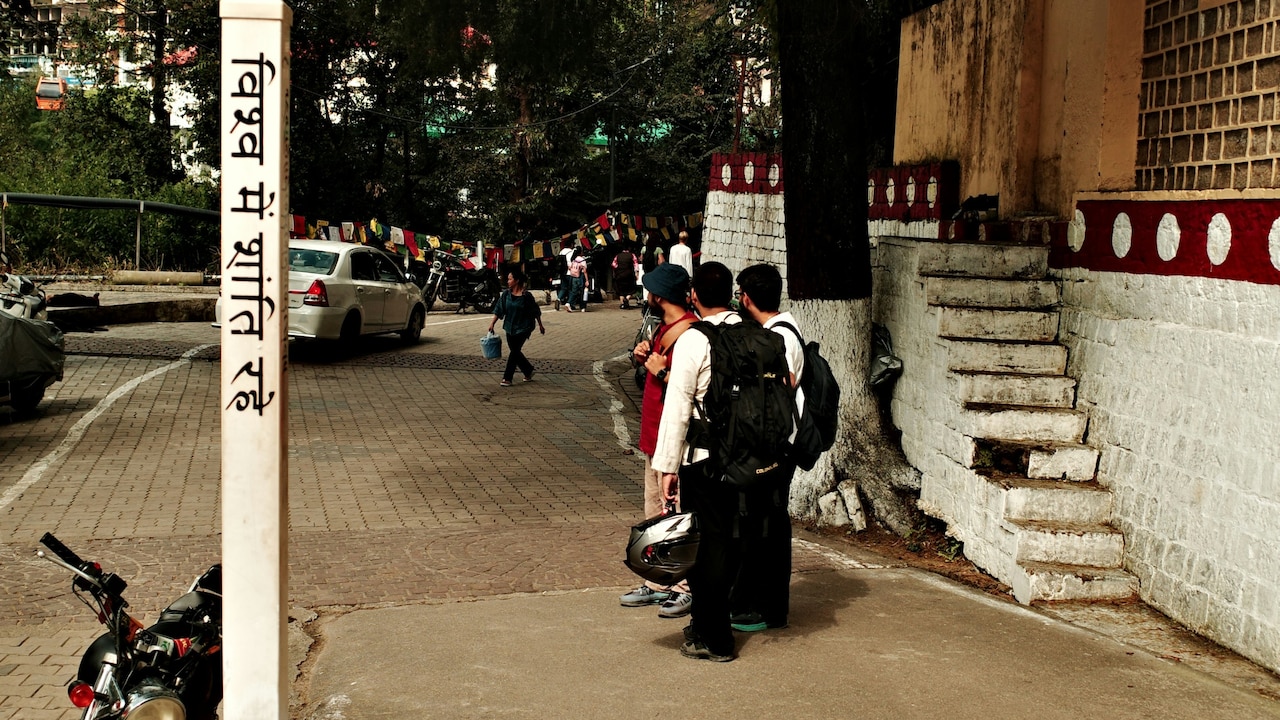
Walk through the bustling streets of McLeodganj today and you'll notice something subtle yet profound. The Tibetan diaspora in India is shrinking.
What used to be a thriving sanctuary of over 100,000 refugees has dropped to somewhere between 70,000 and 80,000 people. This demographic contraction isn't happening because of a single catastrophic event. It's the slow, steady result of tightened borders, plummeting birth rates, and an entire generation of young people packing their bags for the West.
If you look at the numbers, the reality hits hard. Annual refugee arrivals from Tibet used to hover around 3,000 a year. By 2023, that number dropped to a staggering six.
The Closed Border and the End of an Era
For decades, the journey across the Himalayas was a rite of passage. Refugees walked through blinding snow and treacherous mountain passes to reach Dharamshala, seeking religious freedom and education under the guidance of the Dalai Lama.
That pipeline is effectively gone.
Following widespread unrest across Tibetan regions in 2008, Beijing ramped up border surveillance, security checkpoints, and travel restrictions. Crossing into India became nearly impossible. Without a steady influx of new arrivals, the demographic foundation of the settlements began to erode.
Add to this a falling birth rate within the existing community in India, and you get a textbook demographic squeeze.
Empty Classrooms and Quiet Dormitories
Look inside the Tibetan Children's Villages (TCV) network to see the true scale of the shift. Founded in 1960, these residential schools once burst with energy, educating over 17,000 students at their peak.
Today, total enrollment sits around 5,000, with only a small fraction remaining in senior classes. Dormitories that once squeezed 80 to 100 children into a single hall now echo with just 20 or 30 kids. Some branches face the grim prospect of closing their doors entirely by the end of the decade.
To keep the lights on, institutions like TCV have started opening their doors to children from other Himalayan communities, such as Ladakh and Arunachal Pradesh. While this keeps the classrooms functional, it changes the cultural fabric of spaces originally built exclusively for Tibetan refugee children.
The Brain Drain to the West
Refugee arrivals have stopped, but departures haven't. Young Tibetans are leaving India in droves.
Can you blame them? Economic opportunities in India's informal refugee economy are limited. Legal ambiguities surrounding residency rights and identity documents make long-term stability difficult.
So, when given the chance to move to the United States, Canada, Europe, or Australia, young adults take it. Thousands have already established vibrant diaspora communities abroad.
While moving away offers better jobs and secure futures, it starves the exile administration in India of its lifeblood. Who will run the political institutions, teach the traditional arts, and sustain the cultural heritage if the youth are building lives thousands of miles away?
Preserving Culture Against the Odds
Traditional institutions face the exact same crisis. The Tibetan Institute of Performing Arts (TIPA), established to safeguard traditional music, opera, and dance, struggles to fill its classes. A multi-year training program that once attracted dozens of dedicated applicants now scrambles to maintain enrollment.
Administrators are adapting by branching out—recruiting talent from remote Himalayan regions and partnering with mainstream cultural bodies in New Delhi. But external recruitment can only do so much to replace a disappearing local population.
The core question facing the Central Tibetan Administration isn't just about survival; it's about reinvention. As the diaspora disperses globally and the community in India contracts, maintaining a centralized political and cultural headquarters becomes an uphill battle.
The physical sanctuary in the Himalayan foothills will always remain a historic milestone. Yet, its future depends entirely on how well a fractured, globalized community can adapt to a world that is moving on without them.



