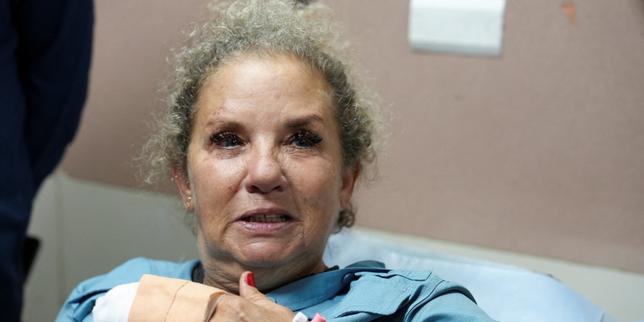
When a photojournalist gets beaten in broad daylight while documenting olive harvests, the story stops being local news and becomes an international flashpoint. Heidi Levine, working for the Washington Post, found herself targeted by Israeli settlers in the occupied West Bank. Medical reports show she suffered fractures across four vertebrae, highlighting the raw brutality of the encounter.
For years, violence directed at Palestinian farmers and foreign observers in the West Bank has simmered under a radar of official indifference. But when an American journalist is physically assaulted, diplomatic shockwaves follow immediately.
US Ambassador to Israel Mike Huckabee condemned the attack, labeling it an act of terror and demanding that Israeli authorities hold the perpetrators accountable. That kind of language from Washington isn't typical, especially from figures traditionally aligned with the settler movement. It signals that the crisis in the West Bank has breached diplomatic thresholds that can no longer be ignored.
The Real Cost of Impunity on the Ground
Impunity breeds repetition. If you look at the statistics coming out of the West Bank over the past few years, settler violence hasn't been an anomaly; it's a persistent pattern. Human rights organizations have documented hundreds of incidents during seasonal harvests—olive trees burned, vehicles torched, and families driven from their ancestral lands.
When attackers realize they face zero legal consequences, the behavior escalates. It shifts from intimidation to outright physical violence against anyone holding a camera or bearing witness.
Local mayors describe daily life in these rural communities as living in hell. Farmers trying to harvest their crops need military escorts, yet those escorts often stand by or arrive after the damage is done. The assault on Levine proves that the danger extends to international press corps documenting these very realities.
What Happens When Diplomacy Meets Reality
Condemnations from embassies sound great in press releases, but they rarely translate into immediate courtroom trials or structural change. Israeli officials have promised investigations, pointing to confrontations involving dozens of activists and youths. Yet, rights advocates argue that investigations rarely lead to meaningful indictments or prison sentences for violent settlers.
Lawmakers in the United States, such as Illinois Senator Tammy Duckworth, have publicly called out the failure of Israeli authorities to maintain order, warning that unchecked settler actions threaten regional security and broader diplomatic stability.
If accountability remains absent, international pressure will only mount. Trade restrictions, targeted sanctions, and a complete loss of diplomatic cover are real possibilities as Western governments grow weary of writing blank checks for an unstable status quo.
You cannot claim to uphold the rule of law while allowing armed groups to operate with absolute freedom in occupied territories. The beating of a journalist has forced the spotlight onto a dark corner of the conflict, and pushing past the rhetoric requires actual arrests, prosecutions, and an end to state-enabled impunity.



