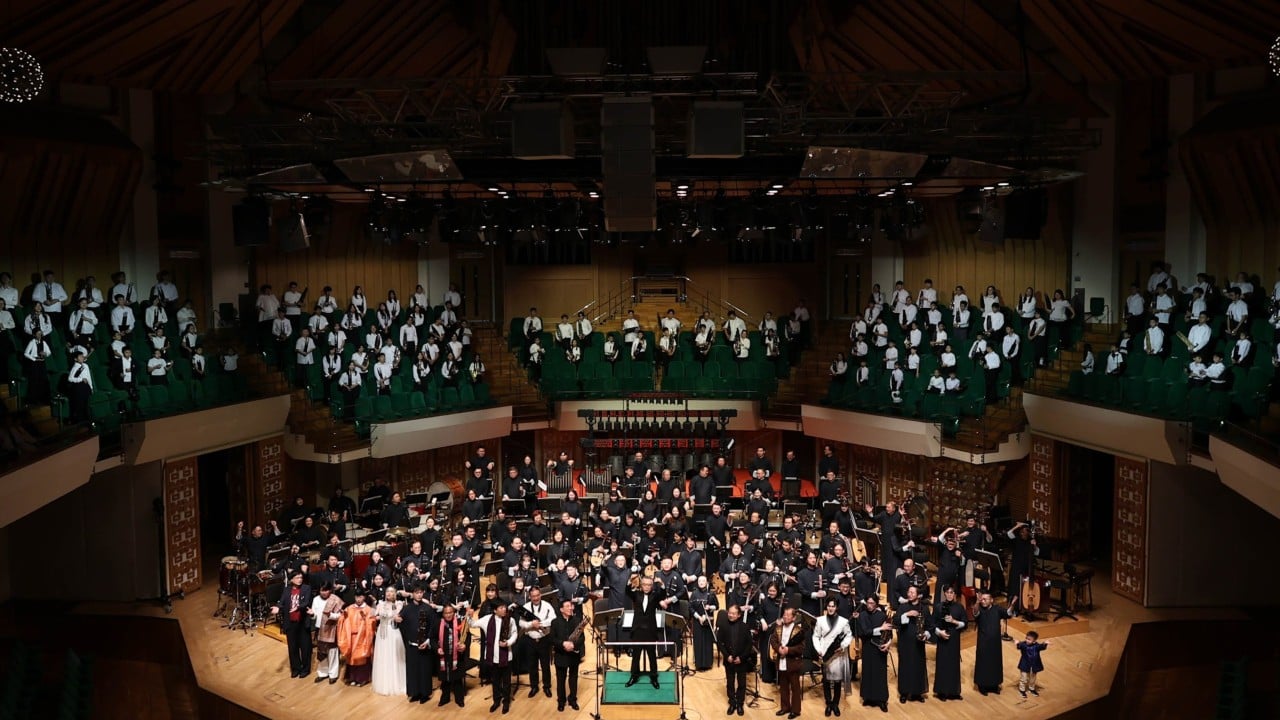
Traditional music sounds dusty, academic, and entirely detached from modern life. That is the common assumption. Yet, step into a concert featuring the Hong Kong Chinese Orchestra, and you will find an entirely different reality. You see teenagers sitting alongside retirees, all gripped by the thunderous roar of traditional Chinese instruments colliding with cinematic arrangements.
Founded in 1977, the ensemble has spent nearly five decades proving that cultural heritage doesn't belong behind museum glass. Instead of playing it safe with centuries-old repertoires that only appeal to niche purists, the orchestra has actively redefined what ethnic music can sound like in the modern world.
Breaking the Mold with Bold Commissions
Most legacy musical groups rely heavily on historical safety nets. They play the same Mozart or ancient folk tunes on loop because it pleases donors and keeps ticket sales predictable. The Hong Kong Chinese Orchestra took the exact opposite gamble.
They have commissioned more than 2,300 new works. This isn't just about writing fresh notes on a page; it is about rewriting the cultural playbook. By blending classical Chinese instruments like the sheng, pipa, and erhu with contemporary multimedia elements, film scores, and cross-genre collaborations, they've created an auditory experience that defies rigid categorization.
When you hear film soundtracks transformed into massive orchestral pieces, you realize why younger listeners are showing up. It bridges the gap between old-school craftsmanship and current media consumption.
Connecting Communities Beyond the Concert Hall
Music education usually means boring Saturday morning lessons that kids try to skip. The orchestra bypassed this traditional roadblock by taking its instruments out of formal halls and planting them directly into schools, community centers, and public spaces.
They designed targeted youth programs that treat teenagers as intelligent listeners rather than passive participants. By showing young people how traditional instruments can produce complex, modern soundscapes, they turn skepticism into genuine curiosity. Families now attend concerts together, finding a rare cultural touchpoint that bridges generational divides. Parents who grew up with classic regional tunes share the hall with kids raised on digital soundtracks, and somehow, the music speaks to both of them equally.
Why This Approach Matters Now
Cultural institutions around the world are struggling to stay relevant as attention spans shrink and entertainment options multiply. Traditional arts often get sidelined as relics of the past.
The Hong Kong Chinese Orchestra survives and thrives because it treats tradition as a living, breathing language rather than a static monument. They aren't trying to freeze time. They are accelerating it, proving that indigenous instruments can adapt to any era if the people playing them are brave enough to experiment.
If you think you know what Chinese orchestral music sounds like, you're likely working off outdated assumptions. Go listen to how an ancient reed instrument sounds when backed by modern acoustic innovation. You might just change your mind about what old-world artistry can achieve today.


