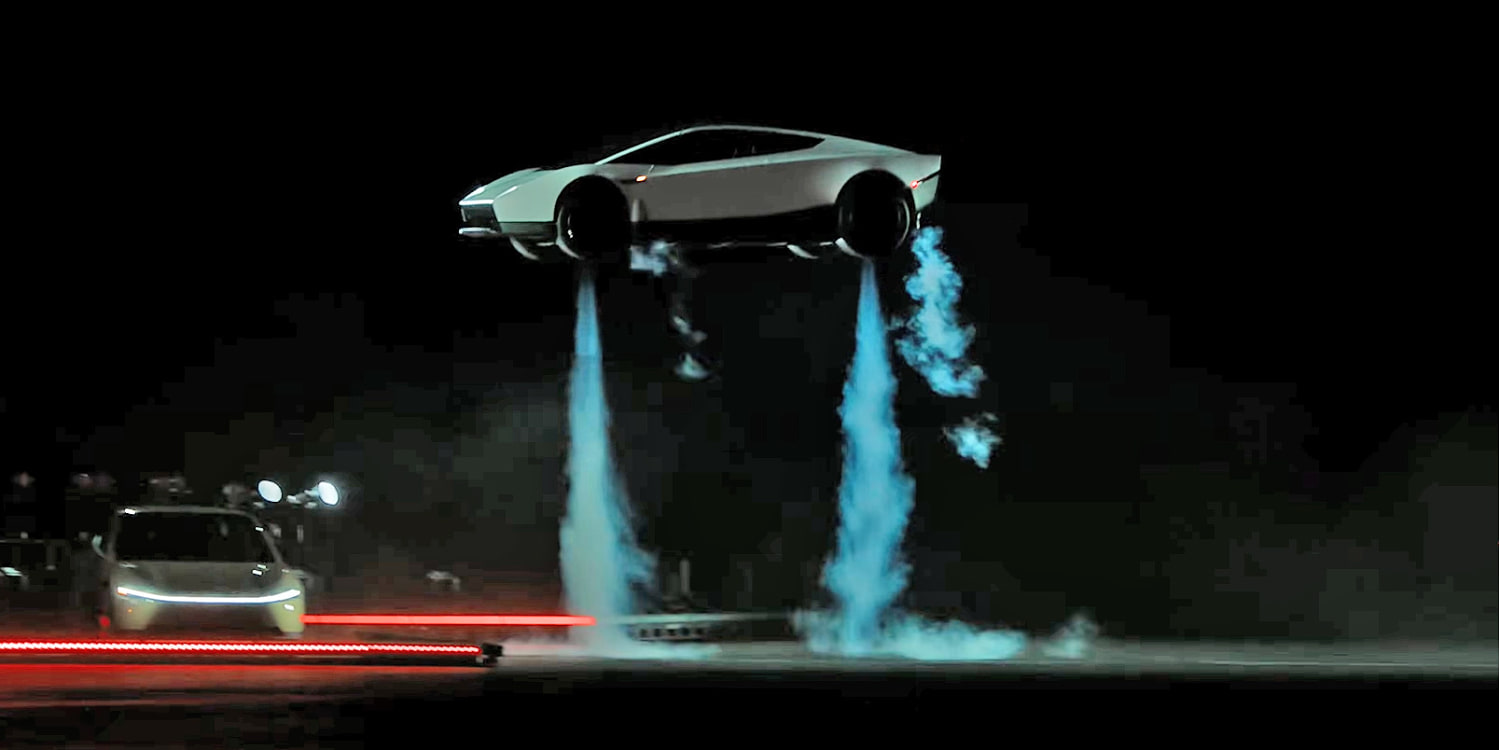
Let's be real about the Tesla Roadster. It was supposed to change everything back in 2017. Elon Musk stood on a stage, pulled the wraps off a sleek sports car, and promised zero to sixty in 1.9 seconds. Then he threw in a wild card: a SpaceX rocket tech package that might actually let the thing hover.
Years went by. Deadlines came and went. People put down fifty grand deposits and waited. And waited.
If you have been tracking electric vehicles for the last decade, you know the script. Big promises, missed targets, and endless excuses. But the chatter around a flying or hovering Tesla Roadster refuses to die down. Every few months, a new tweet or podcast appearance brings the concept back into the news cycle.
Why does this car matter so much, and why is it taking so long? Let's break down the reality behind the hype.
The Timeline Problem
Tesla announced the second-generation Roadster with a target release date of 2020. That date passed quietly. Then came 2021, 2023, and various vague statements about engineering priorities.
Building a standard electric supercar is hard enough. Porsche, Rimac, and Lotus spent years engineering heavy battery packs to handle sustained track driving without melting components or draining the battery in three minutes. Tesla chose a harder path. They prioritized everyday usability, massive range, and hypercar performance simultaneously.
When you add cold gas thrusters—the SpaceX option—the engineering challenge multiplies. You are no longer building just a car. You are building a low-altitude rocket sled that has to pass federal crash tests and pedestrian safety regulations.
Insurance companies would have a field day trying to underwrite a vehicle that can technically lift itself off the tarmac. Regulators do not have a rulebook for consumer vehicles with compressed air thrusters mounted behind the driver's seat.
What the SpaceX Package Actually Means
People picture a flying car from a sci-fi movie when they hear Musk talk about the Roadster hovering. That is not what is happening.
The physical reality involves orbital maneuvering thrusters running on compressed air. Musk has suggested replacing the rear seats with a high-pressure air tank and placing thrusters around the perimeter of the vehicle.
Can it make the car fly? Technically, no. It can give it short bursts of acceleration, braking assistance, and cornering grip that defy traditional physics. Think of it as a jet fighter's control system strapped to a chassis with rubber tires.
It is brilliant marketing, but execution is a nightmare. The weight of the system, the safety hazards of high-pressure vessels in a collision, and the sheer complexity of integrating rocket nozzles into a street-legal coupe mean the engineering team has to invent solutions that do not currently exist.
The Core Misconception About Production Priorities
Critics love to point at the delayed Roadster as proof that Tesla is losing its focus. That misses how automotive manufacturing actually works.
Volume pays the bills. The Model Y and Model 3 keep the lights on and fund the gigafactories. Semi trucks, Cybertrucks, and next-generation platforms consume the engineering hours. A low-volume halo car makes for great headlines, but it does not move the needle for global electrification.
Tesla treats the Roadster as an internal R&D project disguised as a consumer product. Technologies developed for the high-end powertrain trickle down into cheaper, mass-market cars. The high-output carbon-wrapped motor sleeve designed for the Roadster ended up in the Model S Plaid first.
If you put down a deposit, you are basically financing Tesla's propulsion research. It is annoying, but it is true.
What to Do If You Want a Hyper-EV Right Now
Waiting for a car that might hover is a waste of time. If you have the capital and you want terrifying acceleration today, the market has shifted dramatically since 2017.
You can walk into a showroom and buy options that outperform the original specs promised by Tesla's initial reveal.
- Look at the Rimac Nevera if budget is no object. It delivers verified performance figures that rewrite what electric motors can do on a track.
- Check out the Lucid Air Sapphire if you need four doors but want sports car numbers.
- Keep an eye on secondary markets for early Model S Plaid modifications if you want straight-line speed without waiting on a startup timeline.
The Roadster will probably arrive eventually. It will look cool, it will be fast, and it will cost a fortune. Just do not hold your breath for the hover feature to be legal on your morning commute.
Stop waiting for vaporware. Buy what exists, drive it hard, and let the engineers figure out the rocket science on their own time.