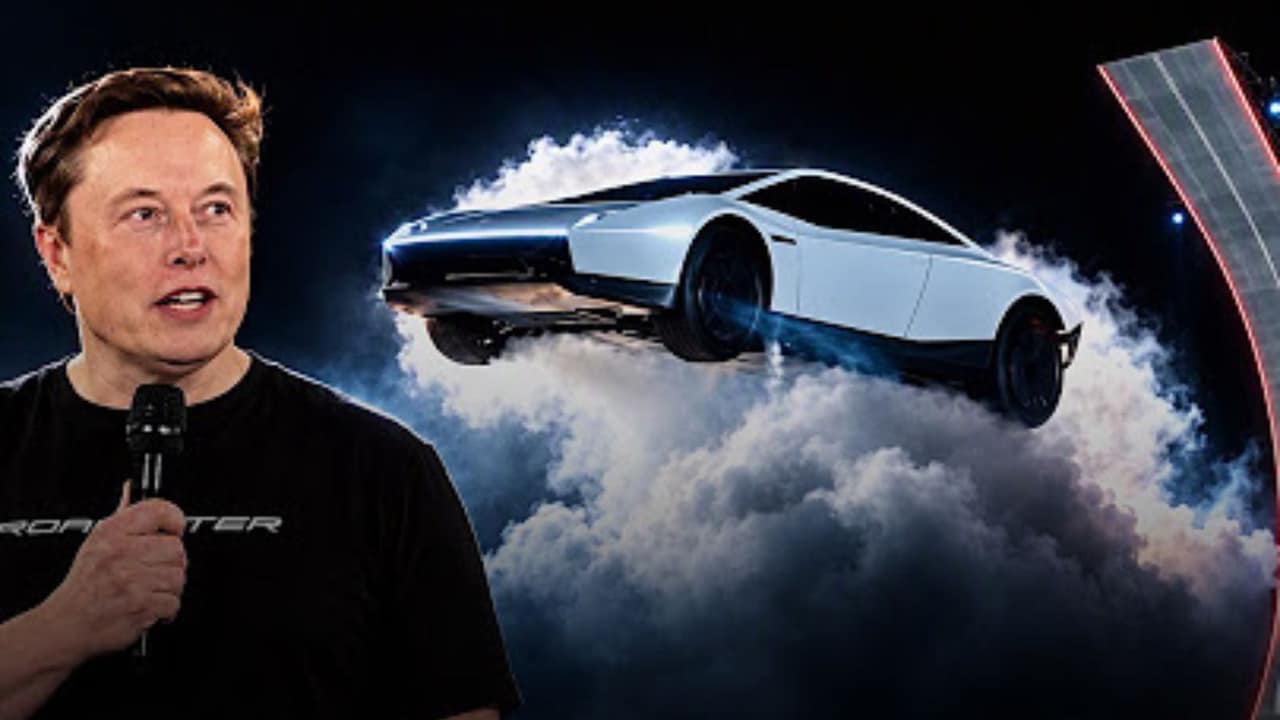
People laughed when Elon Musk said a car could fly. They laughed on podcasts, mocked him on social media, and treated it like another typical Silicon Valley pipe dream. That was back in 2018 on The Joe Rogan Experience.
Now, the laughter has stopped.
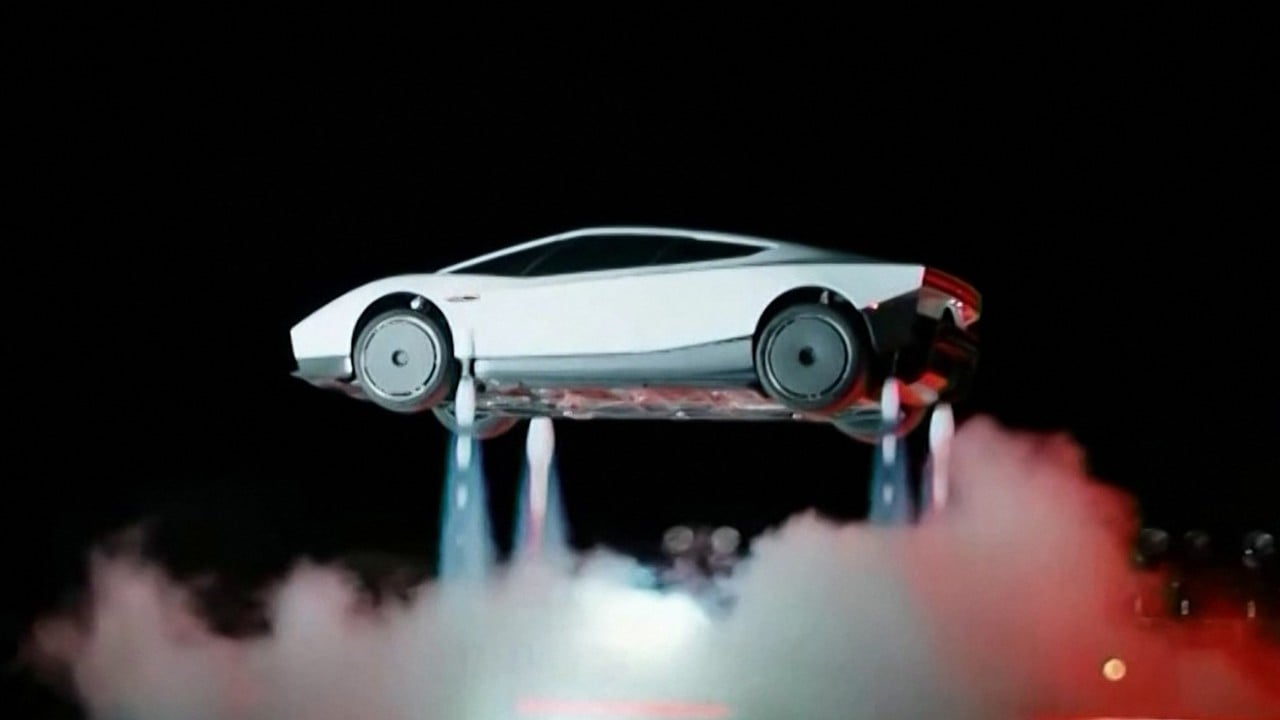
Tesla recently showcased a redesigned Roadster driving upside down and briefly going airborne at a SpaceX facility in McGregor, Texas. The vehicle tackled a steep, curved ramp, rolled upside down along it, and launched into the air before touching back down safely. Musk posted the footage on X with a simple message: "Turns out the future does have flying cars."
Critics spent years dismissing the idea as science fiction. But they missed the fundamental engineering philosophy driving SpaceX and Tesla forward. When you combine aerospace thruster technology with electric vehicle architecture, normal automotive rules stop applying.
The Cold Gas Reality Behind the Stunt
Most commentators miss how this technology actually functions. Musk never planned to strap burning rocket boosters to a standard passenger car meant for city streets. That would turn every red light into an absolute disaster zone.
Instead, the system relies on cold-gas thrusters. When Musk talked about it with Jay Leno back in 2020, he explained that high-pressure air tanks would sit behind the license plate, releasing compressed air through directional nozzles. You aren't burning jet fuel. You are using physics-based pneumatic pulses to alter momentum, improve cornering limits, or provide short bursts of lift.
That distinction matters. A cold-gas system uses SpaceX rocket-derived gas generator technology, but it operates within a closed circuit of compressed storage. It is basically an attitude control system adapted from orbital rockets and strapped to a sports car.
Why the Skeptics Missed the Mark
The automotive industry moves at a glacial pace. Legacy car manufacturers spend a decade redesigning cup holders and tweaking grille shapes. When an outsider like Musk sets an absurd target, industry analysts assume it is PR noise.
They forget how SpaceX built reusable orbital-class rockets after everyone said landing boosters vertically was impossible. They ignore how Tesla forced the entire global auto market to pivot toward electric vehicles by sheer force of will.
When Rogan laughed in 2018, he was looking at the problem through an old lens. He saw a car as a heavy box with four rubber tires governed strictly by friction and gravity. Musk looked at the same box and saw a vehicle platform that could interface with aerospace control systems.
The Production Reality Check
Let us be completely honest about where things stand. A controlled demonstration at a private SpaceX test track is a far cry from driving a flying sports car down your local highway.
The regulatory hurdles alone are staggering. National highway safety agencies do not have a category for consumer vehicles that can launch themselves off the ground or drive upside down. If a production Roadster hits the market in 2028 with thruster options, expect strict geofencing or software locks that prevent drivers from turning their morning commute into an aviation hazard.
Insurance companies would outright refuse coverage if everyday drivers had access to rocket-derived propulsion without extensive pilot training. The stunt in Texas proves the physics work. It proves the engineering concept is real. It does not mean you will be dodging flying Teslas above traffic next Tuesday.
What This Actually Means for Engineering
The real story here isn't about flying cars taking over the highway. It is about cross-pollinating engineering disciplines.
Automotive design and aerospace engineering used to live in entirely separate universes. Tesla and SpaceX share supply chains, software teams, and manufacturing methods. By pulling rocket tech into an automotive chassis, Musk is breaking down old industry boundaries.
Whether the production version of the Roadster ships with active cold-gas thrusters for consumers or keeps them as an off-track novelty package doesn't change the outcome. The mocking stopped because the prototype worked. Stop betting against engineers who treat science fiction as a rough draft.