Imagine sitting down for a quiet lunch, only to have your phone blare a shrieking emergency siren warning you that the strongest earthquake in recorded human history is about to tear the ground open beneath your feet.
That is exactly what happened across large parts of Japan, including Tokyo and northern regions, when the Japan Meteorological Agency mistakenly issued an early warning for an apocalyptic magnitude 9.9 earthquake.
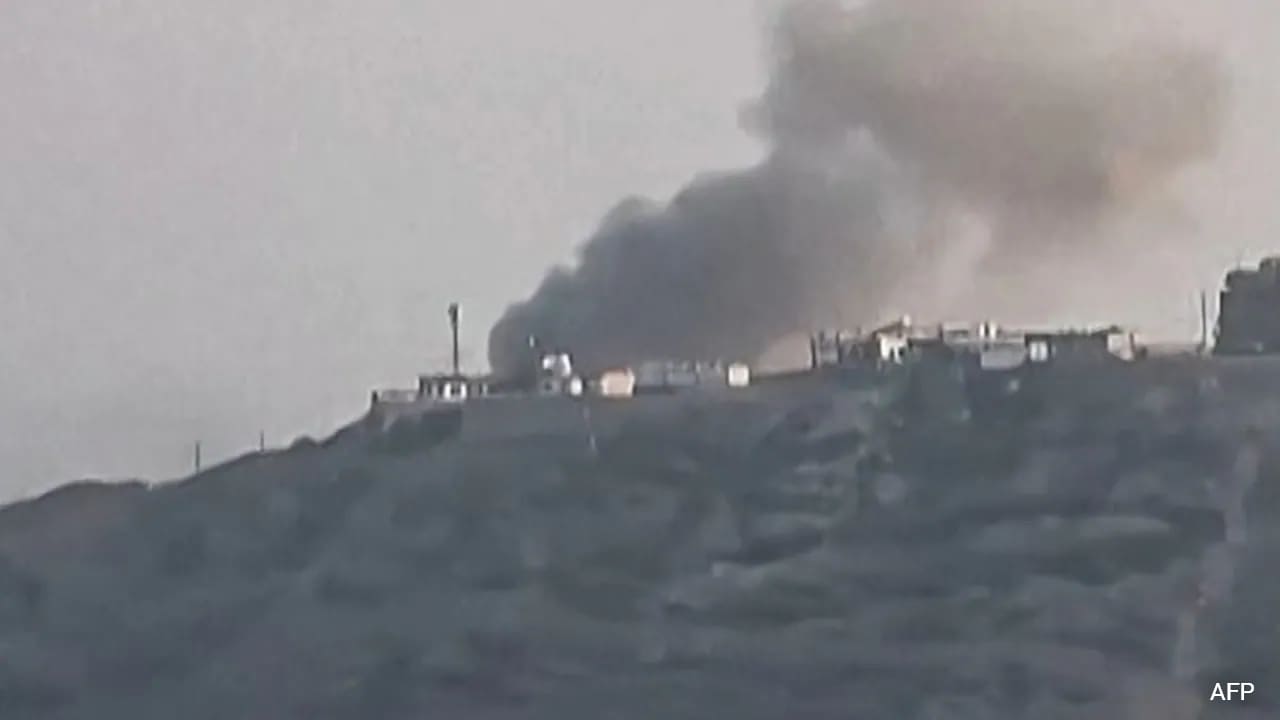
Panic spread instantly. Public transit systems like the Tokaido Shinkansen line slammed brakes and shut down automatically. Students and office workers stopped dead in their tracks, looking around anxiously for the violent tremors that never arrived. Eight frantic minutes later, the agency issued a second alert to cancel the warning. The actual event? A magnitude 6.9 tremor near Russia's Kamchatka Peninsula, located thousands of kilometers away.
It was the first time in history that the Japan Meteorological Agency had to withdraw an emergency earthquake warning.
What Went Wrong With the System
Automated seismic networks are designed to react in milliseconds. When P-waves arrive at seismograph stations, algorithms crunch numbers to estimate magnitude and location before the damaging S-waves hit populated zones.
In this instance, the system miscalculated a moderate offshore Russian earthquake, blowing its magnitude estimate up to 9.9. For context, a magnitude 9.9 quake would surpass the historic 1960 Biobío earthquake in Chile—the largest ever measured at magnitude 9.5—and would release roughly 32,000 times more energy than the actual 6.9 magnitude event that triggered the alarm.
As Ayataka Ebita, head of the JMA's earthquake and tsunami observation division, explained during a press conference in Tokyo, 9.9 is also the maximum ceiling figure that automated systems can transmit externally. The algorithm basically hit its upper limit while catastrophically misjudging the seismic data.
The Human Cost of False Alarms
False alarms carry a heavy psychological toll, especially in a country living under the constant threat of seismic disasters.
When emergency systems cry wolf, public trust takes a direct hit. If people experience repeated alerts that result in nothing happening, compliance drops. Next time, hesitation replaces immediate action.
Transit companies also face operational chaos. Automatic safety cutoffs halt high-speed trains, disrupt flight schedules, and strand commuters. While safety protocols must prioritize caution, a misfire of this magnitude highlights the vulnerability of automated disaster warning infrastructure.
How to Prepare When Every Second Counts
Living in earthquake-prone regions means learning to live with uncertainty. Automated alerts are incredible technological achievements, but they are not infallible.
- Keep emergency kits updated: Always maintain a go-bag with water, non-perishable food, a flashlight, and a portable charger.
- Understand early warning limits: Realize that automated systems rely on rapid initial data algorithms that can occasionally glitch or overestimate distant events.
- Stay calm during cancellations: If an alert is swiftly followed by an official retraction from a trusted meteorological source, verify the status rather than panicking.
Technology will keep improving, and seismologists will refine their algorithms to filter out erroneous overestimations. But until then, grace under pressure remains your best survival tool when the screen lights up with the unimaginable.