Politics usually thrives on division. Every single day, cable news and social feeds feed you a steady diet of polarization. But every once in a while, two fierce political figures from entirely different eras and styles stand side by side and remind everyone that progress doesn't always have to be partisan warfare.
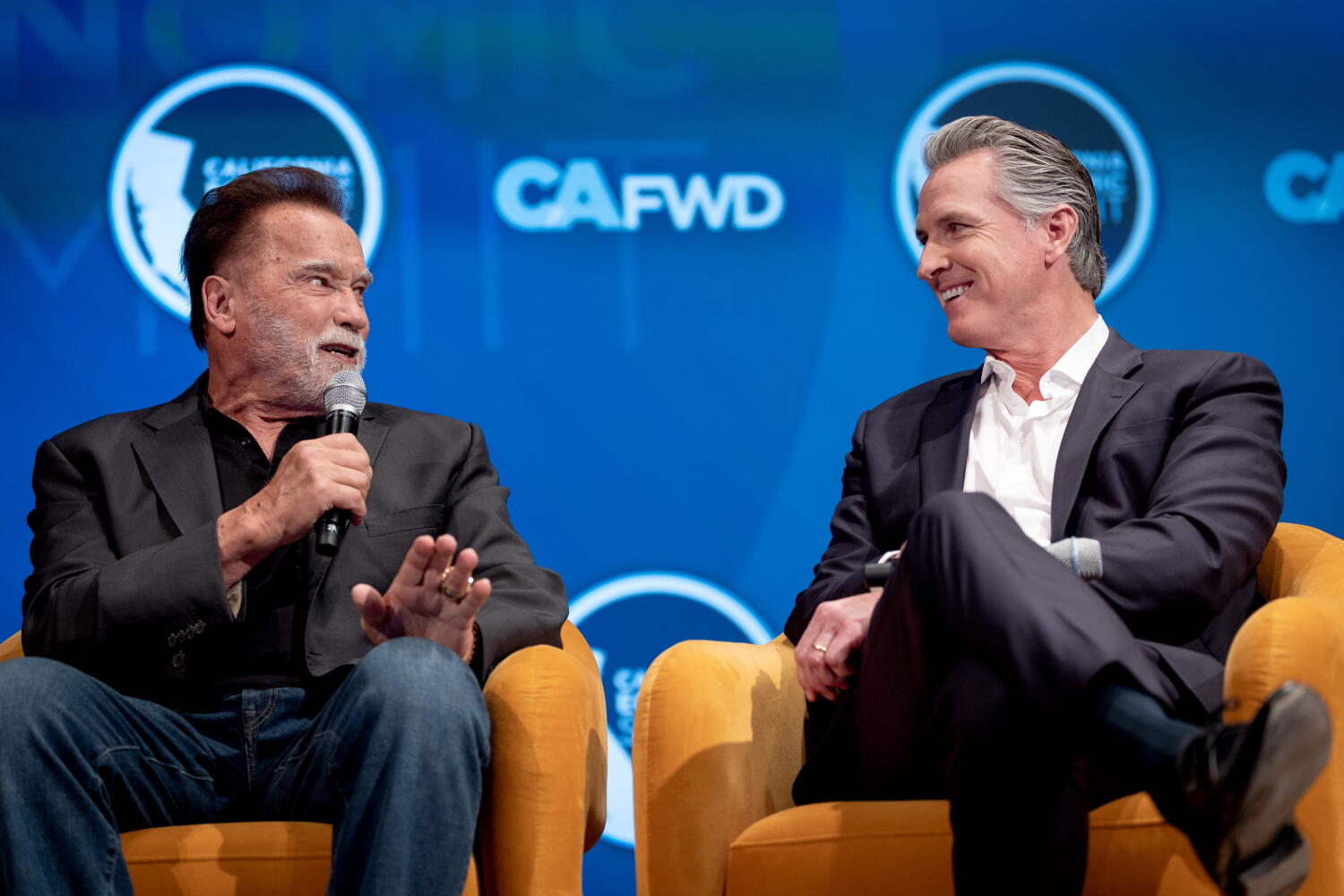
Former Republican Governor Arnold Schwarzenegger and current Democratic Governor Gavin Newsom recently shared a stage at the California Economic Summit in Long Beach. They weren't there to throw punches. They came together to celebrate a massive milestone: twenty years of California's landmark climate legislation, AB 32.
If you think environmental policy is just a partisan football tossed around by politicians in Washington, look at the reality on the ground in California. Two decades of consistent policy proof shows that economic growth and aggressive decarbonization can actually happen at the same time.
The Real Story Behind AB 32
Back in 2006, Arnold Schwarzenegger signed the Global Warming Solutions Act, known broadly as AB 32. At the time, critics screamed that the sky was falling. Business lobbies predicted that mandatory caps on greenhouse gas emissions would trigger mass corporate flight, destroy manufacturing jobs, and turn the state into an economic wasteland. As highlighted in latest articles by Reuters, the effects are notable.
None of that happened.
Instead, the state economy adapted, innovated, and outpaced many parts of the country while cutting carbon pollution. Newsom's presence alongside Schwarzenegger wasn't just a convenient photo opportunity. It was an acknowledgment that California's long-term environmental framework survived changes in administration, economic recessions, and intense national pushback precisely because it was built to endure.
People often get confused about how California's climate strategy actually works. They assume it's just a bunch of feel-good executive orders. In reality, it is a complex, multi-layered regulatory machine combining cap-and-trade markets, strict vehicle emissions standards, and massive investments in renewable energy.
Why Bipartisan Climate Action Matters Right Now
Let's be honest. Environmental politics often get bogged down in purity tests and shouting matches. One side denies the reality of shifting weather patterns, while the other demands immediate overhauls that make everyday citizens panic about gas prices and grid stability.
Schwarzenegger and Newsom sharing a stage cuts through that noise. Schwarzenegger has always framed environmental protection through a common-sense, conservative lens: protecting public health, keeping air clean, and treating nature like a finite resource we have a duty to conserve. Newsom pushes the accelerator on electrification and zero-emission vehicle mandates.
When you put them in the same room, the message is simple. Clean air isn't a left-wing or right-wing issue. It's a survival issue.
Critics still point out valid friction points. California struggles with high energy costs, housing shortages that complicate transit planning, and the brutal reality of recurring wildfire seasons driven by severe drought and extreme heat. Transitioning an entire economy off fossil fuels isn't clean or cheap. It requires messy engineering, expensive grid upgrades, and constant regulatory tweaks.
What Other States and Leaders Miss
Most states look at California's climate rules and either dismiss them as unrealistic or try to copy them line-for-line without understanding the underlying economic engine.
California didn't build its green economy overnight. It leveraged venture capital, premier research universities like UCLA and Stanford, and a massive consumer market to force automakers and tech companies to adapt. When the world's fifth-largest economy tells car manufacturers to build electric vehicles or lose access to millions of buyers, multinational corporations listen.
That market power changes the math globally.
If you are running a business or tracking public policy, the lesson from the Schwarzenegger-Newsom joint appearance isn't about party politics. It's about regulatory durability. Companies hate uncertainty above all else. When a state establishes clear environmental targets and sticks to them across multiple governors and legislative shifts, businesses figure out how to innovate around the rules.
The Unfinished Battle
Celebrating twenty years of a climate law feels great, but the work is far from finished. California still faces daunting hurdles. The electric grid needs massive hardening against extreme weather. Grid operators constantly worry about summer heatwaves straining power supplies. Water management systems built for the twentieth century are failing under twenty-first-century extremes.
Politicians love to pose for anniversary photos, but policy success is measured in ton-reductions of carbon and tangible improvements in public health near freeways and industrial ports.
The bipartisan bromance on stage in Long Beach was a refreshing reminder of what pragmatism looks like in modern governance. Take notes, Washington. Real progress happens when leaders stop yelling at each other and start focusing on what actually works.