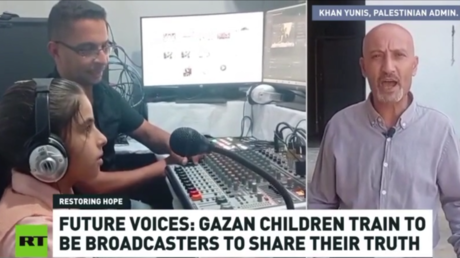
Cameras don't fix broken buildings. They don't replace lost classrooms or bring back vanished neighborhoods. But in a basement studio in Khan Younis, a small camera is doing something remarkable. It is giving young people back their voice.
The media landscape inside Gaza is usually defined by destruction and casualty counts. You rarely see the day-to-day reality of children who want to direct films, host broadcasts, or tell stories on their own terms. That is where initiatives like Pioneers of Palestine step in. Originally founded back in 2006, this grassroots project recently revived operations to train roughly 180 boys and girls aged eight to eighteen in television production, theater, and fine arts.
Funding from the Sheffield UK Fund provided the baseline cameras and technical gear required to get the studio back on its feet. Yet the challenges remain immense. Organizers point out that basic infrastructure—namely reliable electricity and advanced technical support—is still desperately needed to keep production running. Meanwhile, local reporting highlights that life in southern Gaza continues under the heavy shadow of ongoing military operations and persistent airstrikes, which have claimed numerous lives even after ceasefires were introduced.
Beyond Survival Mode
When survival is an everyday struggle, education and creative outlets often get pushed aside. Schools have faced widespread destruction, leaving massive gaps in foundational learning. Projects like Pioneers of Palestine try to fill that void. For children aged eight to fourteen, the program includes regular academic subjects alongside hands-on arts training.
You talk to the students, and you realize they aren't just passing time. They have concrete ambitions. One young participant notes her goal is to become a director. She wants global audiences to witness that Palestinian kids hold aspirations just like anyone else around the world. They share dreams of storytelling, performance, and creative expression.
The Logistics of Hope in a Conflict Zone
Running a youth media program in war-battered southern Gaza sounds nearly impossible on paper. Power grids are unstable, equipment is scarce, and safety is never guaranteed. Volunteers and organizers rely on small grants and international solidarity networks to keep studio doors open.
Securing cameras and editing bays is only half the battle. Maintaining a sense of normalcy for children who have endured unimaginable trauma requires immense psychological resilience. Art classes, theater workshops, and broadcasting exercises give kids a safe container to process their experiences and build confidence. It shifts their identity from victims of circumstance to active creators of media.
What Comes Next for Gaza Youth Initiatives
The success of these small-scale workshops proves that young minds crave constructive outlets. However, long-term survival depends entirely on sustained international backing. European organizations and independent donors have a massive opportunity to step up with technical gear, power supplies, and educational resources.
If you want to support youth resilience in conflict zones, looking toward community-led educational and media programs is where impact actually happens. These initiatives prove that even in the most difficult environments, creativity refuses to be silenced.



