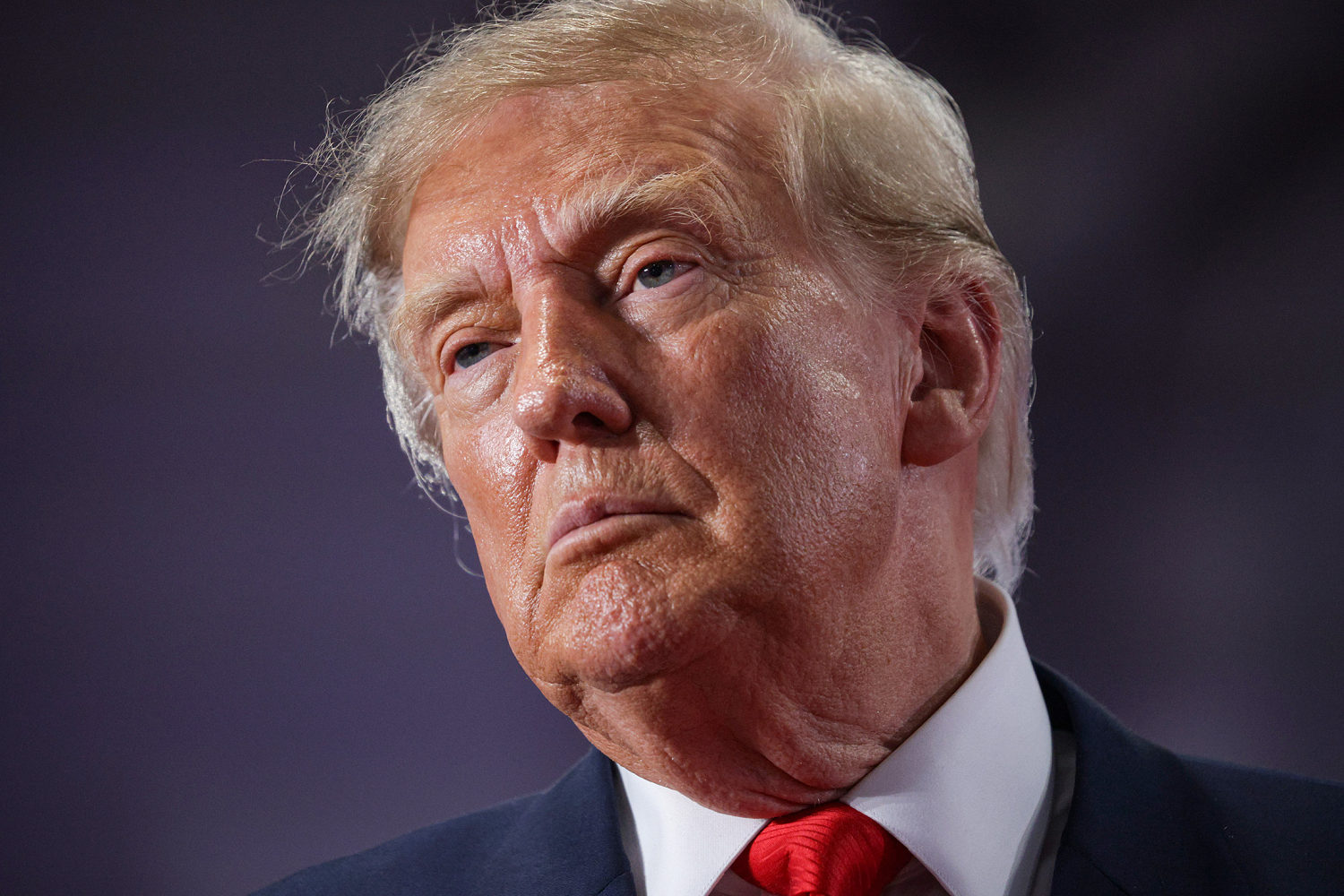
When a federal judge steps in to pull government-funded television commercials off the air, you know a line has been crossed. A federal court has ordered the Trump administration to immediately halt and cancel any remaining television advertisements paid for with public money that promote President Donald Trump's political message and record.
The ruling arrived on a Sunday night, landing right in the middle of a heated political firestorm. Watchdog groups and congressional critics argue the campaign crossed the dangerous line from public service messaging into blatant government-funded propaganda, especially with midterm elections looming.
If you are wondering how $20 million in Department of Homeland Security funds ended up financing television spots that mirror campaign commercials, the mechanics of federal spending reveal a troubling pattern. Let's break down why this legal showdown matters, what the administration argued, and why the judge ultimately pulled the plug.
Follow the Money: How DHS Funds Became TV Airtime
The controversy centers on a massive chunk of cash allocated by Congress. Specifically, the Department of Homeland Security tapped $20 million in taxpayer money for these advertisements. This money was originally drawn from a $175 million package designated for immigration enforcement priorities.
Instead of going strictly toward border security infrastructure or operational needs, a slice of it funded a television ad blitz. Ads began airing across major cable networks, featuring footage and remarks celebrating the president's policy records, economic claims, and speeches.
Critics pointed out an obvious conflict. Government public service announcements traditionally explain how citizens can access federal programs, file taxes, or find health care resources. These ads did none of that. One commercial closely mirrored an ad Trump ran during his 2024 presidential re-election campaign.
When public money promotes an incumbent executive's political brand right before voters head to the polls, federal appropriations laws get triggered. Lawmakers from both sides of the aisle raised alarms. While Democrats condemned the spots as illegal propaganda, even some Republicans quietly or openly distanced themselves from the spending, calling it an inappropriate use of public funds.
The Legal Battle and the Court's Decision
The nonprofit watchdog group Common Cause filed a lawsuit challenging the ads as an unlawful misuse of taxpayer dollars. They argued that using state resources to influence public perception and electoral outcomes violates core constitutional guardrails and federal spending statutes.
The Justice Department fought back in court. In a late-Saturday filing, government attorneys argued that a temporary restraining order was totally unnecessary because the offending ad campaign was winding down anyway. They claimed the Department of Homeland Security had no active plans to purchase further airtime.
U.S. District Judge Jennifer Rochon wasn't swayed by that defense. Recognizing the urgent nature of the misuse claims, the court issued a temporary restraining order blocking the use of DHS funds for the ads and ordering the immediate cancellation of any remaining spots.
This New York case is only one front in a broader legal war. The Democratic National Committee filed a separate lawsuit in Washington making identical allegations of federal spending violations.
The White House Defense
The administration defended the commercials as standard public service announcements. Officials argued that past presidents from both parties have utilized public funds to communicate executive priorities and policy achievements to the American public.
They also emphasized that President Trump is not personally on the ballot in the upcoming midterm elections, meaning the ads cannot technically be classified as direct campaign contributions.
Yet, the distinction between policy communication and personal political promotion has always been thin. When the ad copy praises an individual leader's record rather than educating citizens on a bureaucratic process, it walks straight into legal gray areas. Watchdog organizations argue that allowing this precedent opens the floodgates for any future administration to use public treasuries as a personal marketing budget.
What Happens Next
The court's intervention stops the immediate bleeding of public funds into these television spots. However, the legal questions surrounding executive branch spending will linger long after the midterms settle.
When federal agencies start dipping into enforcement funds to run broadcast campaigns, oversight breaks down. Courts have reminded the executive branch that public money belongs to taxpayers, not to any single administration's public relations team.



