Foreign policy battles usually break cleanly along party lines in Washington. Republicans cheer, Democrats boo, and cable news networks spend a week shouting about it. But when an agreement crosses party boundaries so sharply that senators from both sides draft angry joint letters within days, you know something extraordinary is happening.
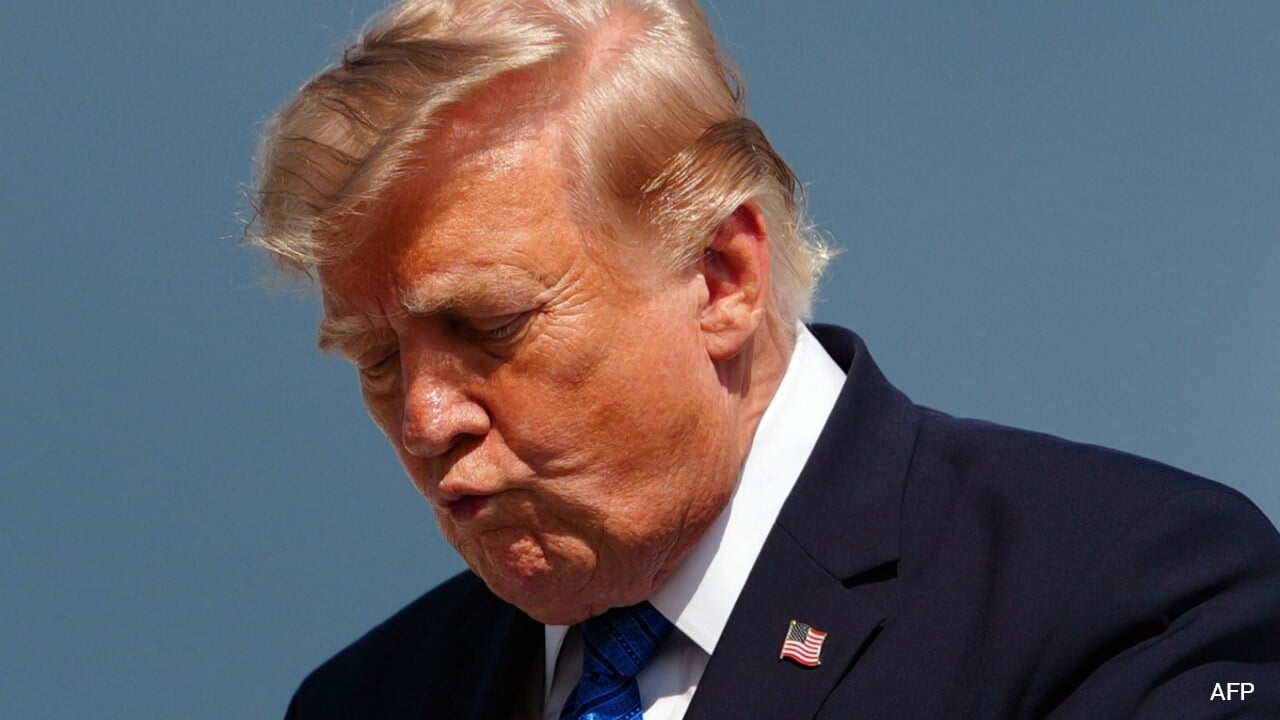
Twelve US senators just torched Donald Trump over a sudden arrangement with Vladimir Putin to bring Russian diesel back onto global markets. Six of those lawmakers belong to Trump's own party. They aren't whispering their objections behind closed doors, either. They're calling it an outright betrayal of Ukraine and a direct lifeline to the Kremlin.
If you're wondering how Washington reached a point where veteran Republicans are publicly breaking with the White House over fuel imports, you have to look past the talking points. The story involves soaring energy costs, wartime economics, and a brewing political storm ahead of the midterms.
Breaking Down the Diesel Agreement
The friction started when the White House announced that Moscow agreed to pump hundreds of thousands of tons of diesel into international channels. The stated goal is simple and politically urgent: drive down fuel prices for American drivers dealing with soaring costs tied to ongoing military tensions involving Iran.
To make it happen, the Treasury Department quietly issued a temporary license. This waiver carved out specific exemptions to let transactions involving Russian-origin diesel clear without running afoul of federal restrictions.
White House defenders argue that desperate times call for pragmatic energy steps. When pump prices spike, voters panic, and politicians scramble for barrels wherever they can find them. But critics immediately pointed out a glaring flaw in the math.
Economic analysts, including high-ranking European Union officials, quickly noted that the promised volumes are practically negligible on a global macroeconomic scale. You simply aren't going to fix a massive supply crunch with a few hundred thousand tons of fuel trickling out of Russian refineries.
So what do you actually get? According to a bipartisan group of lawmakers led by Democrat Richard Blumenthal and backed by heavyweights like former Senate Majority Leader Mitch McConnell, you get very little relief at the pump while handing a massive geopolitical victory to Moscow.
The Bipartisan Backlash
The joint letter penned by the twelve senators doesn't mince words. They argue that feeding revenue straight back into the Russian war machine while Ukraine fights for its survival is a massive strategic mistake.
The timing makes this split even more explosive. Ukraine's defense forces are currently locked in a brutal fifth year of attrition against Russian aggression. Lawmakers argue that easing economic pressure right now sends a terrible signal to allies in Europe and across the globe who have spent years isolating the Kremlin.
Even more controversial is how the deal intersects with ongoing military disputes. Reports highlight that the White House has repeatedly criticized Ukrainian strikes targeting Russian oil refineries, warning Kyiv to dial back attacks on energy infrastructure. Critics see a troubling pattern: pressuring Ukraine to protect Russian production assets while simultaneously opening up legal pathways for Russian diesel sales.
What Comes Next for the Administration
The political fallout is just beginning. The senators aren't just complaining on social media; they are actively demanding that the administration revoke the temporary Treasury license immediately. They want the White House to deploy new sanction powers approved by Congress to ramp up pressure on Moscow and secondary actors like China instead of cutting deals.
Midterm elections are looming, and inflation remains public enemy number one for voters. White House strategists are desperate to keep fuel prices under control before voters head to the polls. But alienating congressional allies and drawing accusations of weakness on foreign adversaries carries a steep political cost.
When your own party starts calling your signature economic agreements a gift to tyrants, standard political spin stops working. The pressure on the administration to explain or reverse course will only intensify as winter approaches and energy markets stay volatile.



