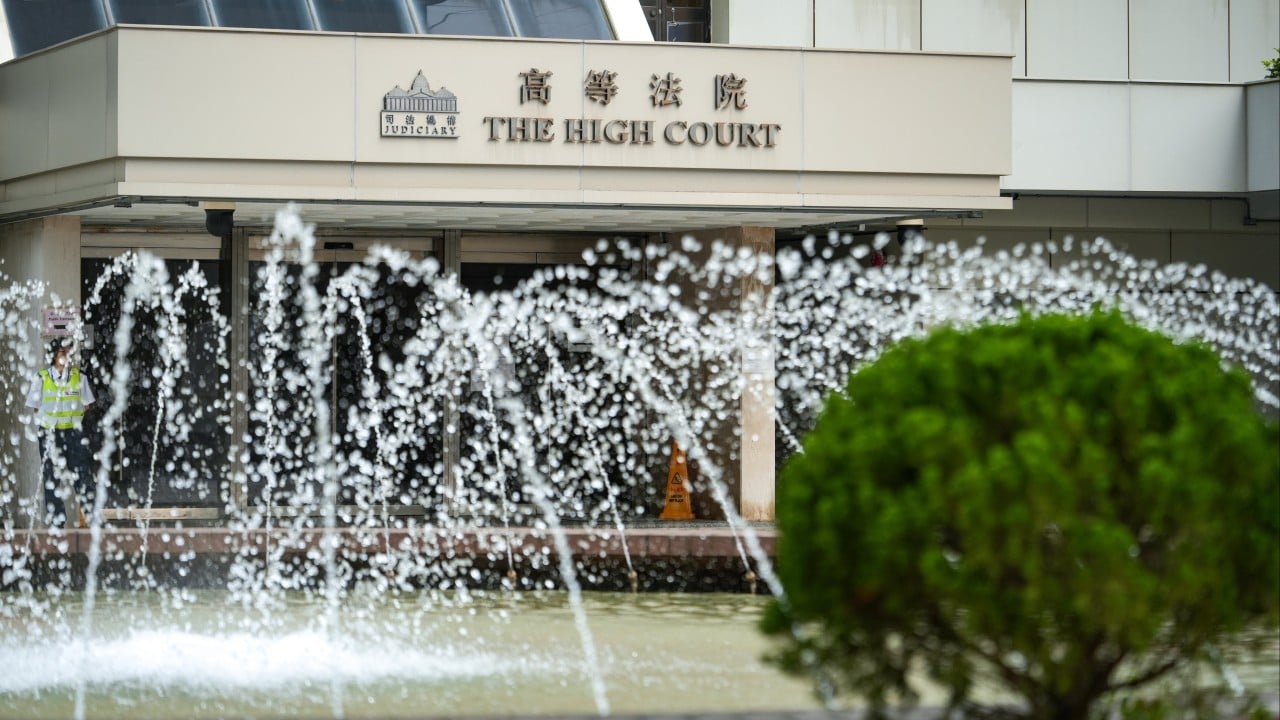
Waking up to news of violent crime in one of the world's safest metropolitan hubs always hits differently. When a teenage assailant steps into a courtroom and admits to a senseless, horrific assault on an unsuspecting visitor, the ripple effects go far beyond the local headlines. The recent guilty plea entered by Anson Kew regarding the Wan Chai acid attack on a 36-year-old Singaporean tourist lays bare a chilling reality about urban safety, juvenile crime, and the disturbing absence of rational motives in modern violence.
Anatomy of an Unprovoked Assault in Wan Chai
The details emerging from the legal proceedings paint a grim picture. Kew was just 17 years old at the time of the violent incident in Wan Chai, a bustling district usually associated with lively nightlife, dining, and bustling foot traffic rather than targeted chemical attacks. The victim, a 36-year-old woman visiting from Singapore, was simply enjoying her time in the city when she became the target of an unprovoked assault.
What makes cases like this particularly unsettling for residents and travelers alike is the complete lack of a coherent explanation. Prosecutors pointed out that the defendant offered no rational motive for singling out the tourist. There was no prior dispute, no financial altercation, and no personal grudge. It was random, vicious violence executed by a minor using a hazardous substance that leaves lifelong physical and psychological scars.
The Broader Reality of Youth Violence and Chemical Attacks
Incidents involving corrosive liquids carry a uniquely terrifying weight in legal systems across East Asia. Because these attacks cause catastrophic, disfiguring injuries with permanent consequences, courts treat them with maximum severity. Yet, when the perpetrator is a minor, the judicial system faces a complex balancing act between accountability and rehabilitation.
Juvenile crime trends in major financial hubs have shifted in recent years. Law enforcement agencies report dealing with younger offenders engaging in high-harm offenses that traditionally belonged to organized syndicates or hardened criminals. When a teenager resorts to chemical weapons without an apparent trigger, it forces criminologists, psychologists, and legal experts to re-examine the underlying pressures affecting urban youth.
What Travelers and Locals Must Consider
Safety perceptions form the bedrock of any major destination's appeal. Hong Kong has long prided itself on exceptionally low rates of violent street crime, making incidents involving tourists statistical outliers that capture immediate international attention. Singaporean media and travelers monitor these developments closely, given the deep commercial, cultural, and tourism ties between the two economies.
While statistical safety indices remain high, high-profile assaults serve as stark reminders that random acts of violence can happen anywhere, regardless of local policing efficiency. Security analysts emphasize that while you cannot predict or prevent an entirely unprovoked attack by a rogue individual, staying alert in crowded transit hubs and nightlife districts remains a sensible baseline.
The legal process for Kew will move toward sentencing following his admission of guilt. For the victim, the long road of physical healing and psychological recovery continues long after the court sessions adjourn. As the judiciary weighs the appropriate penalties for an offender who committed such grave acts while underage, the public is left questioning how a teenager reaches a point of such profound disconnect from human empathy.



