Tigray just got a new transitional administration, and if you think this is just another bureaucratic shuffle in East Africa, you're missing the entire plot.
It's messy. It's fragile. It's happening under the heavy shadow of a brutal two-year conflict that left scars across the Horn of Africa.
Let's cut straight to what matters. Addis Ababa has officially rolled out the framework for an interim government in Tigray. This move is meant to stabilize a region that has spent years bleeding, starving, and fighting. But anyone watching Ethiopian politics closely knows that signing a peace accord on paper is very different from making it work on the ground.
The Reality Behind the Transition
You can't talk about Tigray right now without addressing the elephant in the room. The Pretoria Agreement signed in late 2022 stopped the open artillery fire, but it didn't magically erase the deep-seated mistrust between the Tigray People's Liberation Front (TPLF) and Prime Minister Abiy Ahmed's federal administration.
Now, installing an interim setup is supposed to bridge that gap.
Why does this matter right now? Because millions of displaced people are still waiting to go home. Because basic public services are barely functioning. Because international donors are watching every single move to see if aid can finally flow freely without interference.
If you're tracking geopolitical stability in East Africa, this development sets the tone for the entire country's future.
What the Federal Government Wants You to Believe
Addis Ababa is pitching this interim administration as a triumph of compromise. The official narrative says that local leadership is being restored, administrative structures are healing, and normalcy is just around the corner.
It sounds great. It's clean. It's what diplomats want to hear.
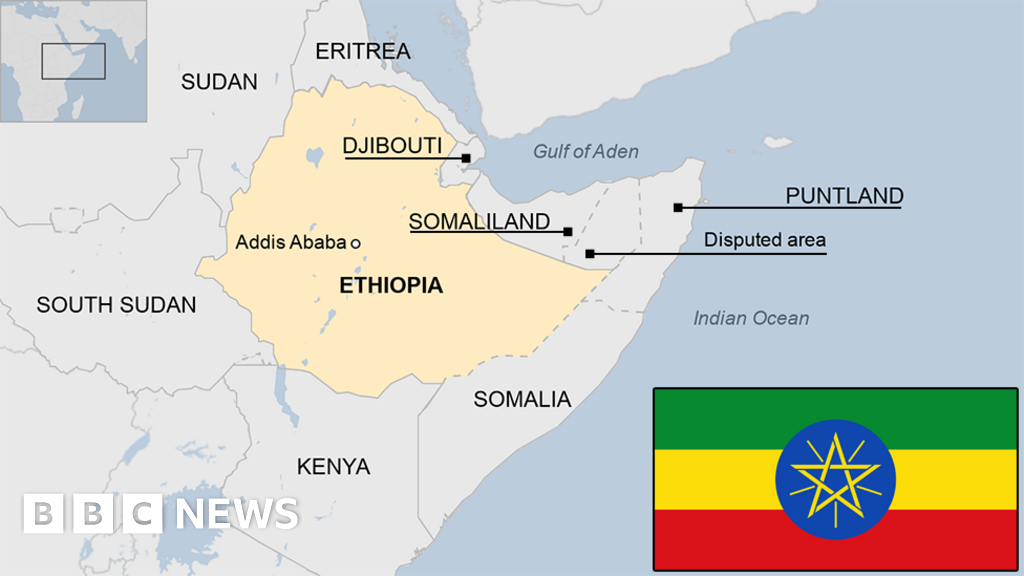
The ground reality is way more complicated. Disarmament hasn't gone smoothly. Eritrean troops and Amhara regional forces have lingered in disputed border areas, creating flashpoints that could blow this whole transition apart at any second.
You've got a region trying to govern itself while its economy is completely shattered. Hospitals lack basic medicine. Schools are still picking up the pieces. Expecting a smooth administrative transition under these conditions is like trying to fly a broken plane while mechanics are still arguing over who built the wings.
The Power Dynamics No One Talks About
Let's be honest about who holds the cards here.
The interim administration isn't operating in a vacuum. It has to constantly balance the demands of federal authorities in Addis Ababa with the fierce, independent pride of the Tigrayan population.
- Federal Pressure: The central government wants total oversight to ensure national unity.
- Local Resistance: Tigrayan leaders remember the blockade and the blockade's toll, making them deeply suspicious of federal overreach.
- Regional Threats: External actors like Eritrea remain a constant variable that neither side can fully control.
When you mix these ingredients, you get a powder keg. Every single appointment in this interim government is a high-stakes negotiation. Get one name wrong, and protests erupt. Piss off the wrong military commander, and the peace deal fractures.
Why This Impacts the Rest of the World
People outside of Africa often ignore these regional shifts until they cause a massive refugee crisis or disrupt global shipping lanes nearby. That's a mistake.
Ethiopia is the anchor nation of the Horn of Africa. If it breaks apart at the seams, the ripple effects hit every neighboring country from Sudan to Somalia.
Investors hate uncertainty. When Tigray is unstable, foreign direct investment drops. Currency reserves vanish. Humanitarian needs skyrocket.
So, when the announcement drops about a new administrative phase, look past the PR statements. Look at whether displaced farmers are actually planting crops again. Look at whether electricity and banking are genuinely returning to Mekelle. That is the real test.
Practical Takeaways for Following the Situation
If you're trying to make sense of where Ethiopia goes from here, stop reading surface-level headlines. Pay attention to specific indicators.
Watch the disarmament tracking reports from independent monitors. Keep an eye on regional trade routes reopening. Listen to local journalists who are risking their lives to report what's happening outside the official press releases.
This isn't a Hollywood movie with a clean ending. It's a grinding, difficult political process.
Keep your eyes on the border zones and the humanitarian corridors. That's where the future of Tigray is actually being decided.