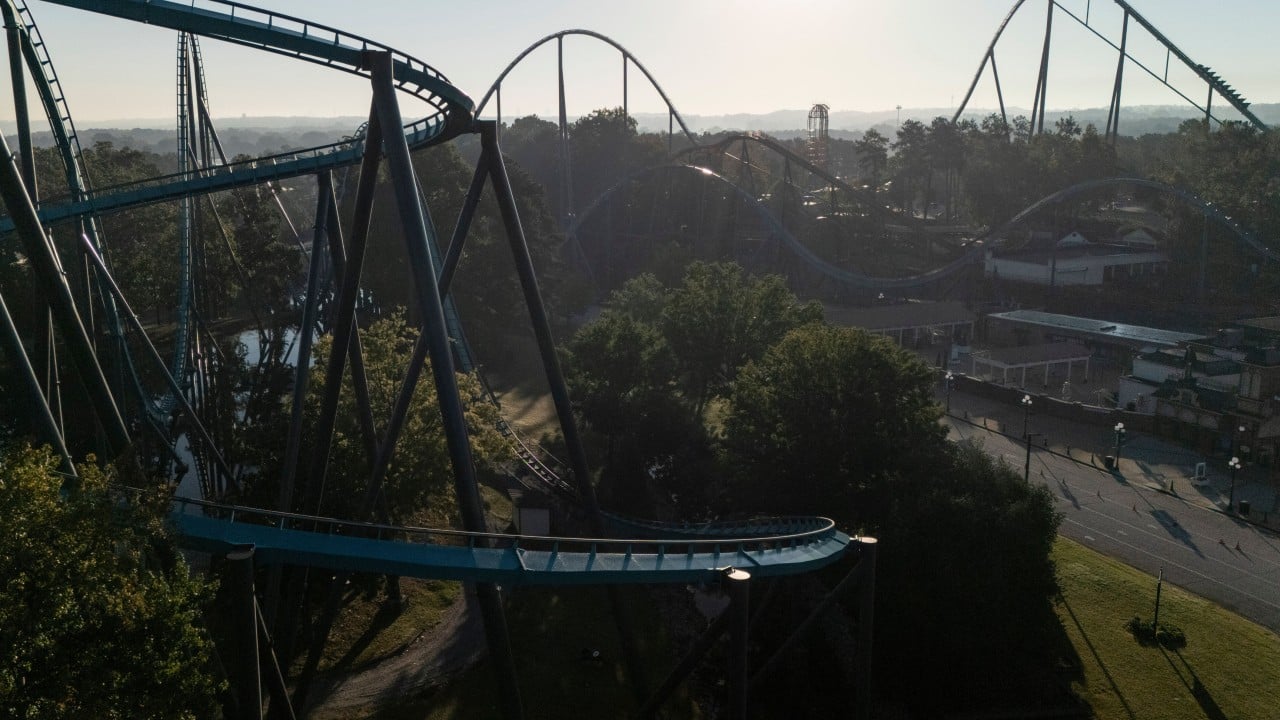
A family trip to an amusement park is supposed to end with tired kids and cotton candy. It isn't supposed to end with a homicide or accidental death investigation, yellow police tape, and hundreds of terrified witnesses standing frozen in disbelief. But that is exactly what happened at Six Flags Over Georgia.
Forty-two-year-old Hassan Jihad Ibn Kariem lost his life in a horrifying accident on the Goliath roller coaster. He was thrown from his seat while the ride was in motion, striking other passengers before landing below the track. The tragedy immediately triggered a massive corporate response. Six Flags Entertainment Corporation hit the panic button and temporarily shut down ten similar high-speed roller coasters across seven different amusement parks throughout North America.
If you frequent these parks, you need to understand what actually happened, why major rides are sitting empty right now, and what this means for the future of amusement park safety.
What We Know About the Incident at Six Flags Over Georgia
The timeline of the event sent shockwaves through the industry. Goliath opened back in 2006. It stands 200 feet tall and drops passengers at speeds reaching 70 miles per hour. It has carried millions of thrill-seekers without incident for two decades.
On that Monday, however, everything went wrong. Police and park witnesses confirmed that Kariem somehow came out of his restraint while the train was navigating the track. He was ejected from his seat, striking other patrons on the ride and suffering fatal injuries. Local television stations and witnesses described sheer panic on the ground as riders were evacuated down the steep incline.
Investigators from Cobb County police and representatives from Bolliger & Mabillard, the Swiss company that manufactured the roller coaster, descended on the park to comb through data logs, maintenance records, and witness statements.
Why Six Flags Shut Down Ten Rides Across North America
Corporate risk management rarely moves this fast. Usually, corporations try to contain an incident to a single location to avoid widespread panic. Six Flags did the exact opposite.
Out of what executives termed an "abundance of caution," the company slammed the brakes on sister rides across the continent. This wasn't limited to Georgia. The closures hit major parks hard, benching heavy hitters like:
- Goliath at Six Flags Magic Mountain in California
- Nitro at Six Flags Great Adventure in New Jersey
- Raging Bull at Six Flags Great America in Illinois
- Diamondback and Orion at Kings Island in Ohio
- Fury 325 and Thunder Striker at Carowinds in North Carolina
- Behemoth and Leviathan at Canada's Wonderland in Ontario
When a company pulls ten identical engineering marvels offline simultaneously, they are either responding to a terrifying common denominator or covering their bases while federal and local inspectors look for structural or mechanical flaws.
The Broader Safety Crisis Facing Theme Parks
This fatal incident didn't happen in a vacuum. Amusement parks are facing an unprecedented wave of public scrutiny regarding ride safety, maintenance protocols, and structural wear and tear.
Just weeks before this tragedy, Six Flags Magic Mountain announced the permanent retirement of its famous X2 roller coaster following intense legal battles and lawsuits alleging severe brain injuries. One of those lawsuits included a wrongful-death claim stemming from a 2022 incident. Add in other high-profile accidents—such as a fatal incident at Universal's Epic Universe theme park in Florida—and a grim pattern emerges.
Millions of people strap into high-velocity machines every single week trusting invisible welds, hydraulic restraints, and computer systems with their lives. When those systems fail, the results are catastrophic.
What Happens Next for Riders and Regulators
Right now, nobody knows when those ten closed roller coasters will spin again. Park officials haven't provided a reopening timeline. Engineering teams are tearing down restraints, reviewing sensor data, and re-checking every single bolt on those tracks.
If you are planning a trip to a major theme park this season, expect delays, closed attractions, and heightened security or inspection transparency. Operators know they are under the microscope. Public trust has taken a severe hit, and theme parks will need to prove beyond a shadow of a doubt that getting strapped into a 70 mph metal beast is completely foolproof.
Check park schedules before you drive out. Do not assume your favorite coaster is running. And keep an eye on the official investigation updates as investigators figure out how a routine Monday afternoon turned into a national safety emergency.



