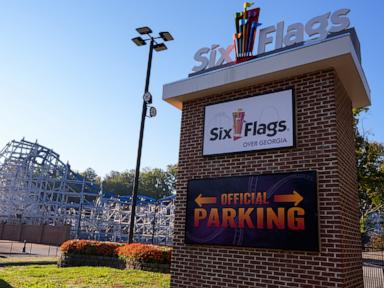
A horrific accident at Six Flags Over Georgia has triggered an industry-wide panic. When 42-year-old Hassan Jihad Ibn Kariem fell to his death from the Goliath roller coaster, it wasn't just a localized tragedy. It exposed massive cracks in how North American theme parks handle passenger safety and equipment oversight.
Within days, park operators began slamming the brakes on major attractions. Parks across the United States, Canada, and even Orlando pulled iconic rides offline. Twelve roller coasters are now shuttered. If you love theme parks, you need to understand what went wrong, why state-by-state regulation is failing, and what this means for your next summer vacation.
The Cascade of Closures
Operators don't halt multi-million-dollar thrill rides unless they are terrified of liability or hiding a systemic failure. Following the fatal fall on Monday, Six Flags Entertainment Corp. temporarily shut down rides at six different properties. SeaWorld Orlando and Montreal's La Ronde theme park quickly followed suit, bringing the total number of sidelined roller coasters to 12.
The common thread among ten of these halted rides? They share the exact same manufacturer—Bolliger & Mabillard—and utilize a remarkably similar restraint system to the Goliath ride in Georgia. Rides like Raging Bull at Six Flags Great America, Nitro at Six Flags Great Adventure, Fury 325 and Thunder Striker at Carowinds, and Leviathan and Behemoth in Canada were abruptly stopped in their tracks.
Witness accounts from the Georgia park paint a terrifying picture. Visitors watched in horror as Kariem was ejected from the coaster before hitting other patrons. Multiple parkgoers who rode the Goliath earlier that day reported feeling uneasy about their restraints, noting that the locking mechanisms felt loose or failed to secure tightly.
The Regulatory Blind Spot
How can major amusement parks operate under such vastly different safety umbrellas? The answer will shock you. There is zero federal oversight for roller coasters at major U.S. amusement parks.
Instead, the responsibility falls entirely on individual state agencies. Take Georgia, where the Office of Insurance and Safety Fire Commissioner handles annual inspections. They are now scrambling to conduct an in-depth review of the incident, led by spokesperson Garrison Bennett.
California requires state approval and direct inspection for new or modified rides. But in Florida, the state’s largest theme parks—think Disney and Universal—are entirely exempt from state safety inspections. They police themselves. They write their own protocols and handle their own internal audits.
Critics like U.S. Senator Ed Markey have spent years fighting to change federal law to give safety officials authority over major theme parks. Right now, federal oversight only covers mobile carnival rides. Lobbyists and industry groups like the International Association of Amusement Parks and Attractions routinely push back against federal intervention. They argue that fatalities are statistically rare and usually stem from riders breaking safety rules.
Industry consultant Dennis Speigel points out that parks have multiple layers of independent inspections. Even so, when a tragedy occurs, the patchwork nature of state regulation leaves families guessing which parks are actually safe.
What Manufacturers and Parks Are Hiding
Silence speaks volumes. Bolliger & Mabillard, the Swiss manufacturing giant behind many of the world's most famous coasters, released a brief statement offering condolences. They stated they are actively investigating the crash but refuse to comment further until they fully understand the root cause.
Six Flags also went quiet, offering zero specifics on what mechanical adjustments or safety checks need to happen before their rides reopen. They simply issued temporary closures while their parks underwent scheduled midweek maintenance.
This lack of transparency drives consumers crazy. If a restraint system has a flaw, riders deserve to know immediately. If human error or rider posture caused the ejection, parks need to release the facts. Leaving millions of visitors in the dark breeds paranoia and completely destroys public trust.
What You Should Do Before Your Next Theme Park Visit
You shouldn't stop visiting amusement parks, but you need to change how you approach them. Blindly trusting that a ride is safe because it's part of a massive corporate chain is a mistake.
- Check the restraints yourself. When the ride operator pushes your lap bar or pulls down your harness, push back. Test the tension. If it feels loose or clicks improperly, speak up immediately and ask the attendant to check it.
- Pay attention to safety briefings. Operators rush through the rules like flight attendants reading a script. Listen anyway. Know where your hands and feet belong.
- Understand the state you are visiting. Remember that states like Florida give massive theme parks total autonomy over safety checks. If you prefer independent state oversight, check local regulations before buying tickets.
- Report unusual ride behavior. If a coaster car rattles excessively or a restraint slips during the ride, report it to park management before leaving the grounds.
Amusement parks sell the illusion of absolute safety mixed with calculated danger. When that illusion shatters, the industry scrambles to protect its bottom line. Demand better answers, check your own restraints, and never assume a corporate logo guarantees your safety.
Six Flags closes 9 rides across 6 parks after man fell to his death
This video provides an overview of the initial Six Flags ride closures following the fatal incident in Georgia.
http://googleusercontent.com/youtube_content/1