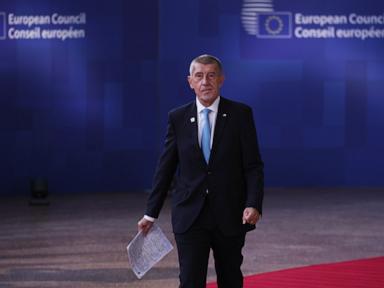
Elections rarely offer clean slates, but the recent Czech upper house showdown delivered a sharp message to Prague’s ruling establishment. When the smoke cleared from the ballot boxes, pro-Western opposition parties swept to a decisive victory in the Czech Senate election, leaving populist Prime Minister Andrej Babiš and his allies reeling. If you thought populism had a permanent grip on Central Europe, this result proves political momentum can flip much faster than expected.
The Senate Reality Check for ANO
Out of 81 seats in Parliament’s upper chamber, 27 were up for grabs in this two-round contest. Babiš’s ruling ANO movement went into the race hoping to expand its footprint and secure legislative breathing room. Instead, the party walked away empty-handed, failing to win a single seat and losing even the lone seat it previously held.
That is not just a minor setback. It is a structural rejection.
The pro-Western opposition coalition candidates captured 22 of the contested seats outright, cementing their ironclad grip on the Senate. This legislative fortress matters enormously in Czech politics. The upper house holds the power to block constitutional amendments, slow down controversial legislation, and vet Constitutional Court judges. For a government trying to push through a populist agenda, losing the Senate creates an unmanageable roadblock.
Why This Vote Matters Beyond Prague
Babiš currently governs alongside smaller political groups whose platforms lean heavily toward skepticism of European Union policies and a reduction in military and political support for Ukraine. Critics often lump Prague's current trajectory in with neighbors like Hungary and Slovakia, painting Central Europe as a united front against mainstream European integration.
Yet this election exposes a deep fissure between executive power and legislative check-and-balances. Voters in local districts drew a hard line against the ruling coalition’s foreign policy alignment and Eurosceptic rhetoric. While executive power sits with the prime minister, the Senate acts as an institutional anchor keeping the country tied to its pro-Western consensus.
Turnout and district dynamics also played a massive role. In the initial round, opposition coalitions advanced 26 candidates to the runoffs, completely overshadowing ANO’s tally of 13. When voters headed back to the polls for the final showdown, they chose experienced municipal leaders and independent democratic candidates over party loyalists.
What Happens Next in Czech Politics
Don't expect the populist administration to pack its bags tomorrow, but do expect severe friction. Governing with an hostile upper house means every single piece of major legislation will turn into a brutal political knife-fight.
If you are watching European politics, pay close attention to how Prague handles upcoming European Council votes and regional defense spending debates. The ruling coalition may hold the prime minister's office, but they no longer speak for the entire constitutional apparatus of the state.
Watch the local municipal trends next, as voter dissatisfaction in suburban and urban districts often bleeds into national parliamentary shifts down the line. Keep your eyes on upcoming legislative gridlock.



