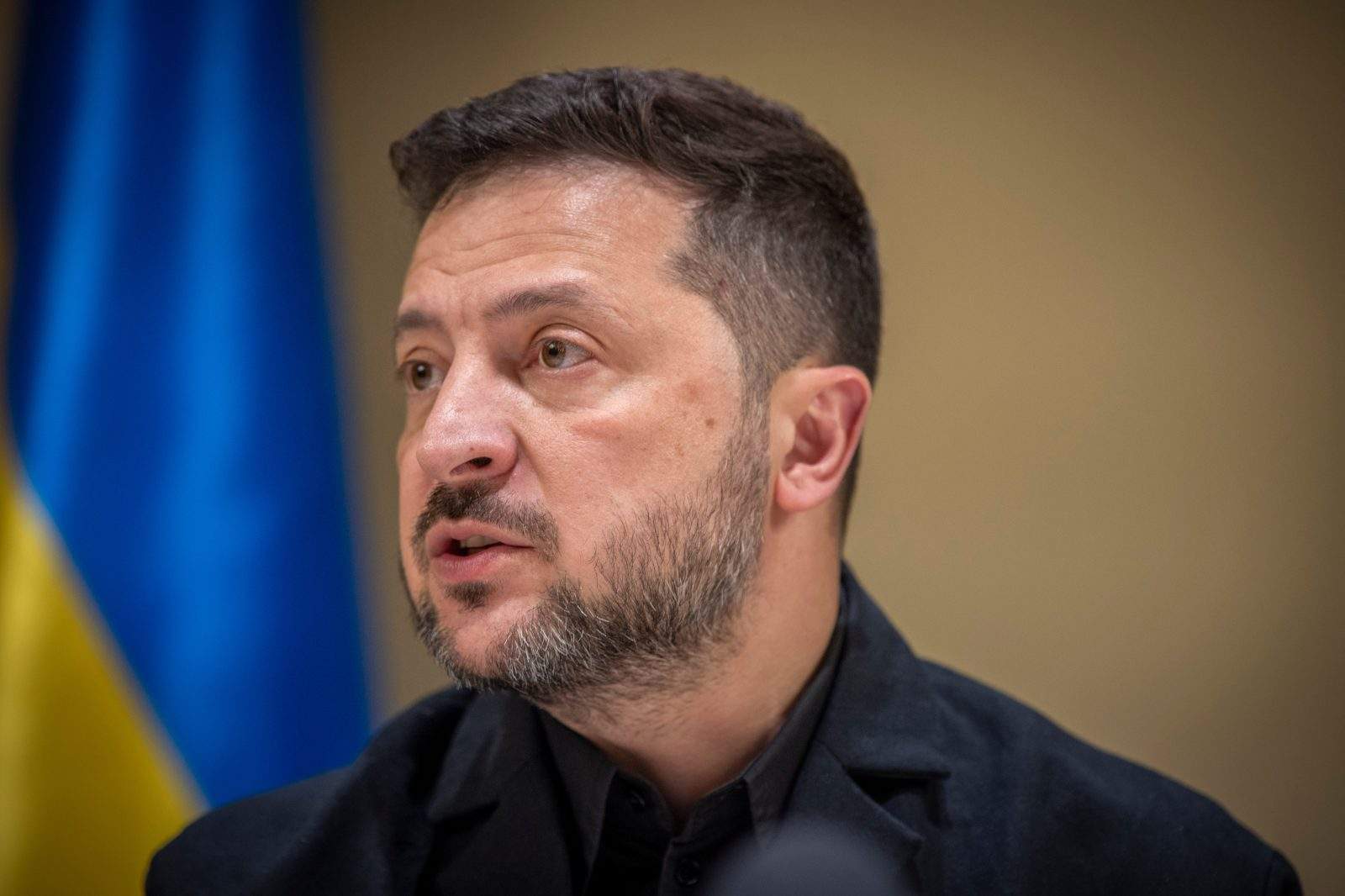
War runs on fuel, power, and panic. When missiles hit subcritical grids or refineries, entire populations freeze in the dark. President Volodymyr Zelenskyy has thrown his weight behind an unexpected energy ceasefire proposal announced by U.S. President Donald Trump.
It sounds simple on paper. Stop hitting power grids, stop targeting oil infrastructure, and let the grid breathe. But in a grinding war of attrition, power plants aren't just utilities. They are strategic high-value assets.
Let's look at what this energy truce actually means for both sides, why Kyiv accepted it, and what happens when the Kremlin has to respond.
The Reality Behind the Energy Truce Proposal
Trump dropped the announcement on Truth Social without giving a massive amount of operational detail. He claimed the halt was effective immediately and that both countries had agreed.
Zelenskyy confirmed Kyiv’s stance shortly after. Ukraine has always backed de-escalation steps that protect civilian lives. Yet, the devil sits in the operational details.
In interviews, Zelenskyy made the mechanics clear. Ukraine is ready to halt drone strikes against Russian oil refineries if Moscow reciprocates by stopping the brutal barrage on Ukrainian energy systems. It's a reciprocal trade of pain. For months, Ukrainian long-range drones have systematically targeted Russian refining capacity, hitting major facilities from Ryazan to Kaluga.
Russia, meanwhile, has repeatedly pounded thermal power plants, substations, and gas facilities across Ukraine.
Why Kyiv Stands to Gain From Grid Protection
Winter is coming. Protecting the energy grid is an existential priority for Ukraine. When substations blow, hospitals rely on backup generators, water pumps fail, and heating systems shut down in sub-zero temperatures.
By tying an energy freeze to mutual restraint, Ukraine protects its civilian population from freezing while testing Moscow's willingness to abide by international pressure.
At the same time, Kyiv isn't slowing down its technological campaigns just yet. While diplomatic channels buzz, Ukrainian forces recently struck a massive data center run by Russian tech giant Yandex, causing regional outages across Russia, Belarus, Armenia, and Kazakhstan.
This duality shows Kyiv's strategy. They're willing to talk peace or limited truces, but they keep pressure on Russia's digital and economic infrastructure until concrete guarantees materialize.
The Kremlin Response and Global Diplomacy
The big question now is simple. Will Moscow actually agree?
As of now, the White House hasn't provided deeper clarification on the exact terms or verification methods for the ceasefire. Zelenskyy noted he is waiting for more details from Washington while discussing terms with international partners like Canadian Prime Minister Mark Carney, Finnish President Alexander Stubb, and NATO Secretary General Mark Rutte.
Moscow has historically used temporary truces to regroup forces or reposition assets. If the Kremlin accepts an energy ceasefire, it signals mounting domestic pressure from Ukrainian refinery strikes that have squeezed diesel supplies and pinched fuel markets. If they reject it, they prove to the international community that they prefer heating and electricity as weapons of war.
What Happens Next on the Ground
Don't expect the entire war to grind to a halt because of an energy accord. Trench warfare, artillery duels, and frontline combat remain untouched by a specialized grid truce.
Zelenskyy also addressed political pressure regarding potential elections, stating that while a 60-day ceasefire could technically open a window under normal rules, martial law currently bars elections in Ukraine, and any future leadership choice rests squarely with Ukrainian society.
Keep your eyes on the grid monitors. If explosions stop lighting up oil depots in western Russia and power stations in Kyiv stop taking direct hits, this agreement might hold. If not, expect the drone campaigns to intensify as both sides realize that energy dominance remains the ultimate leverage point.



