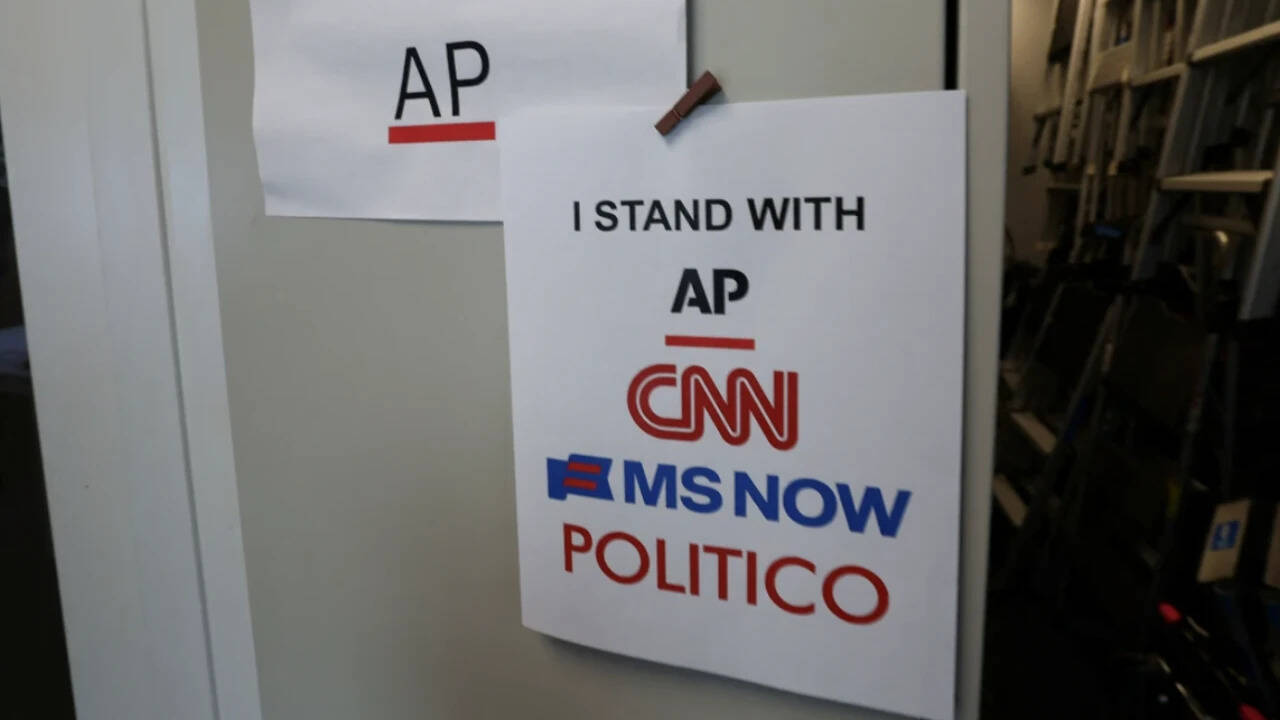
Governments don't get to handpick which journalists cover them just because they dislike the headlines. A US federal judge just made that abundantly clear.
US District Judge Tim Kelly extended an order blocking the Trump administration from stripping White House press access from reporters representing CNN, MS NOW, and Politico. If you've been following the ongoing legal battle, you already know the stakes. The administration tried to eject these outlets, pointing to coverage of the Iran war, the East Wing ballroom construction, and the Republican midterm convention. They claimed national security concerns. The judge didn't buy it.
Why the National Security Defense Fell Apart
When the government wants to revoke press credentials, it needs more than vague complaints about negative reporting. It needs receipts.
During the hearings, Justice Department attorneys argued that the president holds broad discretionary power over who enters the White House complex. They pointed to years of public friction between Donald Trump and CNN. But Judge Kelly called out the shifting justifications. He noted that the administration's public complaints centered on coverage being biased or inaccurate, while government lawyers scrambled to piece together a national security argument after the lawsuit was filed.
The court pointed out a glaring flaw: the administration failed to identify specific classified or sensitive details disclosed in the reports they cited. Worse, they didn't even submit supporting materials for review, not even under seal. When a court asks for proof of a security threat and gets empty hands, the constitutional protections of the First Amendment take over.
The First Amendment Trap
Ted Boutrous, the attorney representing the media organizations, hit the nail on the head. He pointed out that Trump repeatedly acknowledged the ban was meant to punish unfavorable reporting and pressure journalists into compliant coverage.
You can't penalize news outlets for doing their jobs simply because you find their tone abrasive. The First Amendment exists precisely to prevent executive branch officials from retaliating against critical watchdogs. When access becomes a tool for political punishment, it creates a chilling effect across the entire media ecosystem. Smaller outlets watch what happens to CNN or Politico and start self-censoring out of self-preservation.
Judge Kelly previously ruled that the administration also violated basic due process rights by yanking press passes without giving fair notice of any rules violations. The subsequent letters explaining the ban didn't fix that initial legal stumble.
What This Means Moving Forward
This ruling is a temporary injunction, which means the lawsuit proceeds and the administration will likely appeal. But it sets a strong boundary. Executive power has limits, especially when it bumps up against freedom of the press.
If you care about government transparency, pay attention to how this case unfolds. It forces the executive branch to justify its actions in a courtroom rather than relying on social media posts or unilateral decrees.
Keep an eye on the appellate courts. The final outcome will shape how future administrations handle press credentials and whether the White House can ever use access as leverage against unfavorable reporting.



