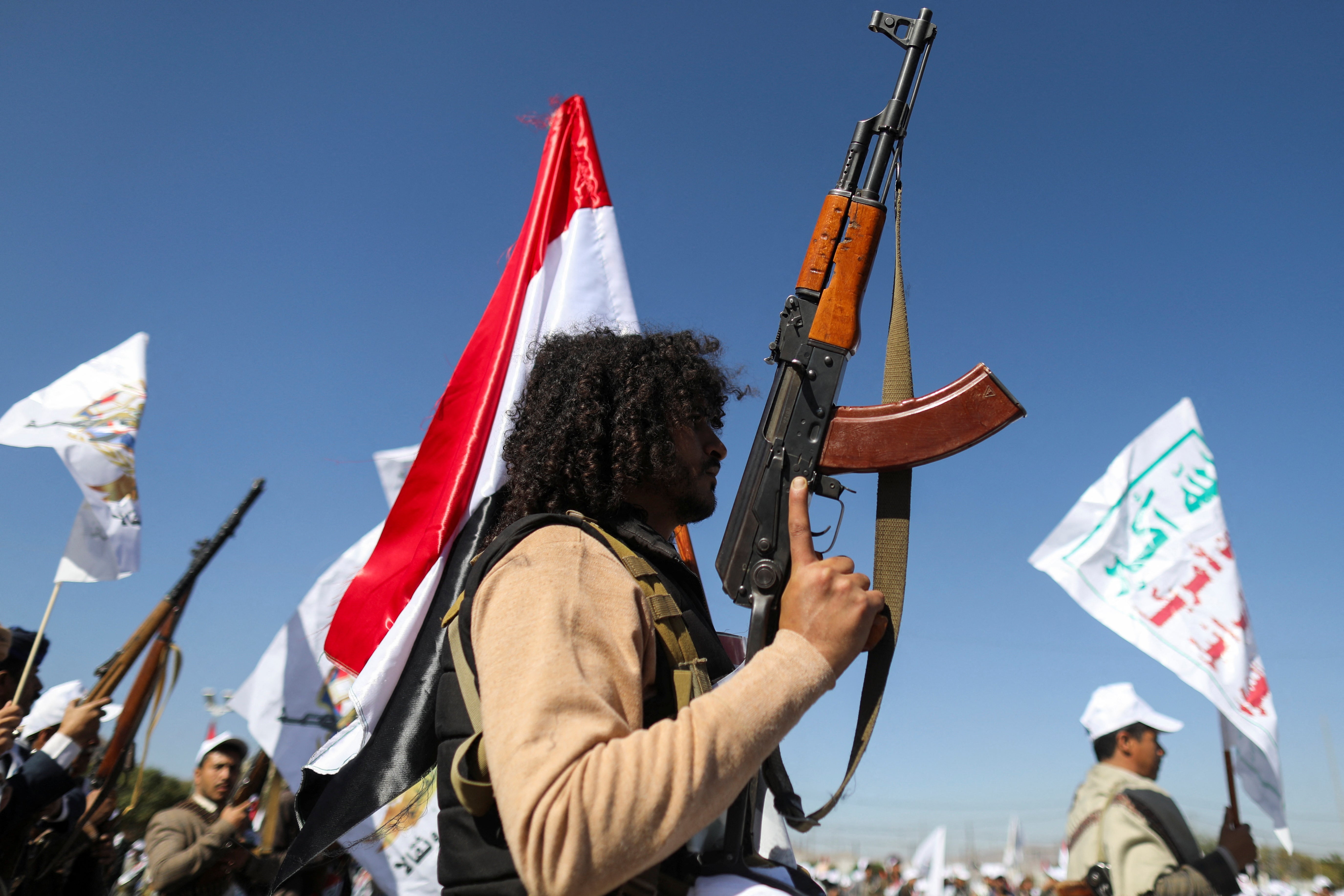
The explosions rocking King Khalid International Airport in Riyadh aren't isolated incidents. They represent a violent, sudden rupture of a ceasefire that held for years. If you've been wondering why Yemen's Houthi movement is suddenly launching ballistic missiles and drones deep into Saudi territory, you have to look past the breaking news tickers.
The immediate trigger is clear. The Iran-backed group is retaliating against renewed Saudi-led coalition airstrikes targeting Sanaa International Airport and Houthi-held airfields in Yemen. But the strategic calculus goes much deeper than an eye-for-an-eye exchange. By targeting civil aviation hubs like Riyadh, Jazan, Abha, and Dammam, the Houthis want to break Riyadh's economic ambitions, disrupt international transit, and assert maximum leverage in fractured regional negotiations.
The Breakdown of the 2022 Ceasefire
For years, a fragile peace kept major cross-border strikes at bay. That informal arrangement shattered when fighting resumed between the Houthis and Saudi-backed Yemeni government forces.
When Saudi-led warplanes struck Houthi-controlled air infrastructure in Sanaa, the response was immediate. Houthi leadership explicitly warned airlines and travelers to stay away from Saudi airspace, framing their assault on civilian airports as a direct counter-blockade measure. They argue that economic and logistical restrictions imposed on Yemen justify striking infrastructure inside the Kingdom.
Why Civil Aviation Hubs Are the Target
Airports make terrible military targets, but they make exceptional political ones. Striking facilities like Riyadh's main terminals or southern hubs near the border achieves specific goals for the group:
- Economic Disruption: Shutting down primary international aviation hubs freezes commerce, halts tourism, and damages the Kingdom's multi-billion-dollar modernization and diversification goals.
- Maximum Psychological Impact: Hitting the capital city creates immediate global headlines, forcing international powers to pay attention to a conflict many thought was frozen.
- Retaliation in Kind: Because Houthi-controlled airports in Yemen have faced persistent bombardment and restrictions, the group is signaling that Saudi infrastructure will bear the same cost.
The Regional Ripple Effects
The escalation extends far beyond a bilateral feud between Riyadh and Sanaa. The attacks coincide with broader regional tensions involving shipping lanes, Red Sea security, and renewed US military considerations. With maritime transit through the Bab al-Mandeb strait already under pressure, renewed aerial warfare over Saudi Arabia threatens to destabilize global energy markets and supply chains all over again.
Diplomats are scrambling to restore talks, but right now, neither side is backing down. The Houthis have proven they possess the drone and missile capabilities to pierce sophisticated air defenses, and Riyadh views the targeting of its civilian hubs as an intolerable escalation.
If you're tracking where this conflict goes next, watch the skies over the Arabian Peninsula. The fragile diplomacy of the last few years is officially dead, and a high-stakes military game of attrition has taken its place.



