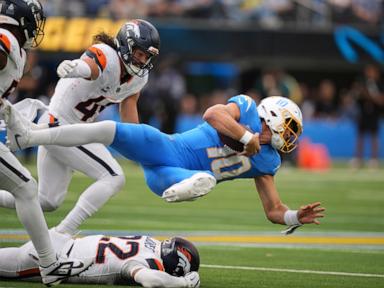
If you watch Sunday afternoon football in the Mile High City right now, you are watching a team living on the absolute edge. The Denver Broncos are winning games, but they are doing it with one hand tied behind their back. While Vance Joseph builds a suffocating, hard-nosed defensive unit that constantly bails out the franchise, the offense continues to look entirely stuck in neutral.
Let's look at the reality on the ground. When you watch Bo Nix and the offense struggle to string together basic first downs, you realize that the heroic effort from the defense isn't just a fun subplot—it's the only thing keeping the season alive.
The Defensive Backbone
You cannot talk about Denver's current identity without starting in the front seven. Week after week, this unit flies around the field, pressures opposing quarterbacks into terrible decisions, and masks structural flaws that would sink most other rosters. Even when injuries bite into the secondary—like losing standout corners—the next guy steps up and executes.
Pass rushers are collapsing pockets without needing exotic blitz packages, and defensive backs are locking down primary targets downfield. Honestly, it is exhausting to watch how many snaps these defenders have to play because the offense keeps punting after three plays. They carry an immense weight on their shoulders, yet they keep showing up.
The Offensive Identity Crisis
On the flip side, watching the Broncos try to move the ball can test the patience of any fan. It is not just about missing big plays or failing to convert in the red zone; it is a fundamental lack of rhythm. Receivers look blanketed, protection breaks down at the worst possible moments, and drives stall out because of sloppy execution and drive-killing penalties.
Quarterback play has been erratic. When a signal-caller misses open targets, hesitates to scramble, or fails to spot wide-open options downfield, the play-calling matters a whole lot less. You can shuffle coordinators or tweak formations all you want, but if the execution lacks basic consistency, every single possession becomes a grind. Sean Payton has tried creative pep talks and sideline adjustments, telling his guys to cut loose, but the hesitancy remains glaring on film.
Can This Formula Last?
Relying entirely on a defensive carry job works until it doesn't. Historically, NFL teams cannot survive a full sixteen- or seventeen-game slate while dragging a broken offense behind an elite defense. Eventually, fatigue sets in, injuries pile up against the trenches, or an opposing offense figures out how to exploit the predictable three-and-outs.
If Denver wants to transition from a scrappy, white-knuckle contender into a genuine threat in the AFC, the offensive staff has to unlock some simple, reliable production early in games. They need to establish a running game that doesn't rely on miracles, and the passing attack has to find an identity beyond short check-downs.
The defense will keep them competitive every single Sunday. But until the offense pulls its own weight, every game will remain an agonizing roller coaster.