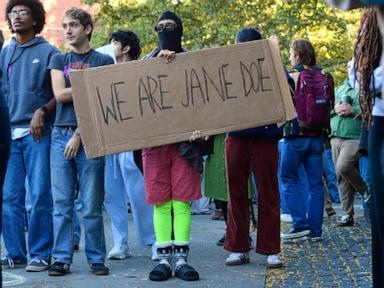
When a university hands out writing assignments instead of real accountability for sexual assault, the system isn't just failing. It's actively protecting predators.
The firestorm surrounding Cornell University’s handling of a 2024 fraternity house gang rape allegation has laid bare the deep, systemic rot within modern campus disciplinary systems. Behind the ivy-covered brick walls and polished PR statements, survivors face a maze of bureaucratic red tape, indifferent leadership, and punishments so absurdly light they read like satire.
If you've been watching the fallout from the civil lawsuit filed by the student identified as Jane Doe, you know this goes far beyond one bad night at a Chi Phi fraternity house. It exposes how Title IX guidelines, university self-preservation, and a broken investigative apparatus combine to shield institutions while abandoning the people they're legally mandated to protect.
Let's look at what actually happens when elite institutions try to police themselves.
The Illusion of University Accountability
When news broke that multiple students accused of participating in a brutal, incapacitating assault at Cornell faced little more than administrative slaps on the wrist—with some told to write reflection essays—outrage swept across campuses nationwide.
Think about that for a second. An alleged gang rape involving ketamine, text message coordination, and severe incapacitation results in a homework assignment.
From 2018 to 2024, Cornell received 1,216 Title IX complaints. Only 4% of those resulted in a finding that an accused student was responsible. Out of all those reports, just 14 cases led to suspensions and a mere seven led to expulsions. The vast majority ended with written reprimands or nothing at all.
When your institution dismisses 96% of complaints, you aren't running a fair adjudicative body. You're running a damage control machine.
How Title IX Guidelines Fail Survivors
Title IX is supposed to be the gold standard for civil rights protection in education. In practice, it has become a procedural minefield that heavily favors universities looking to avoid lawsuits and bad press.
Because federal regulations have swung back and forth across different presidential administrations, colleges often find themselves trapped in legal limbo. In the Cornell case, a maze of injunctions and shifting rules meant that even though federal guidelines changed, the administrative hearings dragged on for months.
Consider the surreal reality of the disciplinary hearing itself. Reports revealed that during a grueling 12-day hearing process, a panel member was actually listening to testimony over Zoom while driving a car for 45 minutes. That isn't just unprofessional. It's an insult to basic human dignity.
When schools control the investigators, the hearing panels, and the appeals process, there's an inherent conflict of interest. The university's primary client is the university. Protecting the endowment, maintaining donor relations, and safeguarding the brand always take precedence over a student trying to pick up the pieces of her life after trauma.
The Leadership Vacuum at the Top
The rot starts at the very top. Cornell President Michael Kotlikoff admitted in interviews that he knew a student had reported a gang rape at a fraternity house back in 2024, yet he never once followed up to see what happened to her. He didn't know if the perpetrators faced consequences. He didn't check if she was still enrolled.
He didn't know because he didn't want to know.
Ignorance is a deliberate strategy for university executives. If they don't ask questions, they can claim plausible deniability. They can issue hollow statements about safety while letting the machinery of institutional protection grind survivors into dust.
It took a massive civil lawsuit, explosive media coverage, public outcry from prominent figures, and a proposed faculty vote of no confidence to force real action. Governor Kathy Hochul finally had to step in, strip the local district attorney of the case due to a lack of faith in the office's handling, and appoint New York Attorney General Letitia James as a special prosecutor to present evidence to a grand jury.
When state intervention is the only way to get a grand jury review for an alleged gang rape on campus, the internal disciplinary model is completely bankrupt.
What Needs to Change Right Now
We can no longer pretend that internal Title IX offices can handle felony-level criminal acts. Universities are educational institutions, not courts of law. They lack the subpoena power, the investigative rigor, and the objective neutrality required to handle violent crimes.
If you care about campus safety, stop looking to deans and campus disciplinary boards for justice. Here is what needs to happen immediately:
- Mandatory External Enforcement: Sexual assault and rape allegations on campus must be handed over to local law enforcement and independent prosecutors immediately, bypassing internal university committees entirely.
- Independent Oversight Boards: If universities retain any disciplinary role for code-of-conduct violations, those boards must be composed entirely of independent legal professionals, not faculty members or administrators beholden to the school's payroll.
- Absolute Transparency: Institutions must publish unredacted data on every single report, investigation outcome, and disciplinary measure, removing the shroud of secrecy that lets schools sweep predators under the rug.
Jane Doe left Cornell without her degree, without justice, and with her life permanently altered. The students accused of violating her walked away with minor administrative penalties or essay prompts.
Until we strip universities of their power to investigate violent crimes behind closed doors, nothing will change. The system isn't broken by accident. It was built this way on purpose.



