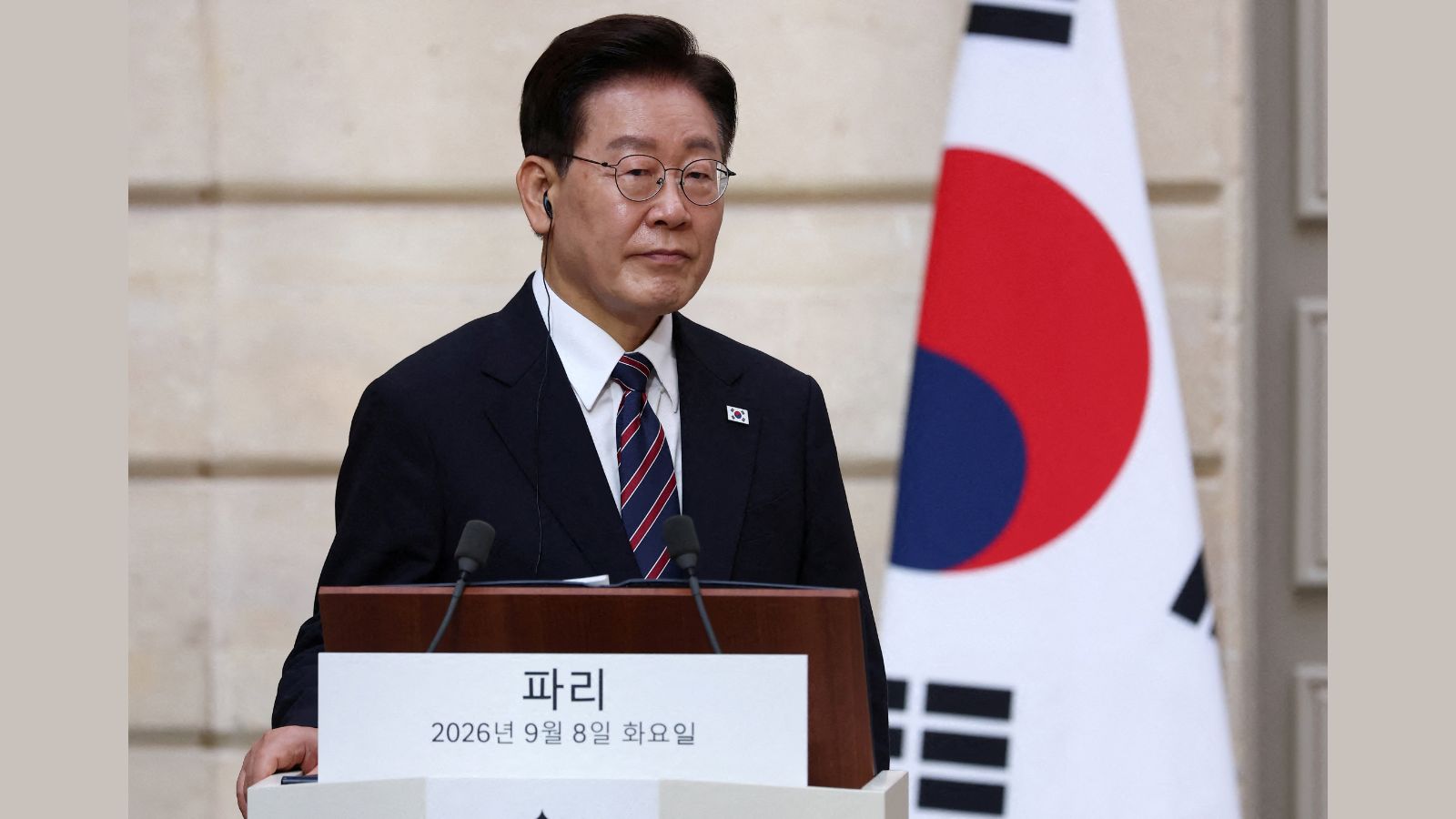
Foreign policy rarely stays tidy when alliances shift and Washington dials up the pressure. Seoul is caught right in the middle of this classic diplomatic squeeze.
South Korea is actively weighing whether to expand its military footprint in the Middle East. It's a heavy balancing act. On one side sits a foundational security alliance with the United States. On the other sits a deeply fragile domestic political landscape and heavy dependence on energy imports flowing right out of that exact volatile region.
The Real Driver Behind the Shift
Let's look past the diplomatic pleasantries. When the White House pushes allies to share more of the international security burden, mid-sized global powers like South Korea notice immediately. The pressure isn't subtle. American leadership expects strategic partners who benefit from global trade routes to help secure them.
Seoul relies heavily on Middle Eastern crude oil to keep its massive industrial engine running. Keeping those sea lanes open isn't just about pleasing Washington. It's an existential economic necessity for South Korea. Yet, committing active military assets into a flashpoint carries massive risks. Public opinion at home is sharply divided on military entanglements far from the Korean Peninsula, especially when tensions with North Korea demand constant domestic readiness.
Walking a Diplomatic Tightrope
Historically, South Korea's overseas deployments have leaned toward non-combat, peacekeeping, or anti-piracy missions. Look at the Cheonghae Unit operating off the coast of Somalia. It gave Seoul a way to contribute to international maritime security without drawing domestic backlash or provoking unnecessary regional friction.
Expanding operations now means stepping into a much hotter kitchen. Middle Eastern geopolitics involve complex rivalries, and jumping into a broader operational posture risks entangling Seoul in conflicts far removed from its immediate neighborhood defense strategy. If the government agrees to ramp up its presence under pressure from a Donald Trump administration, officials have to answer a tough question to their own voters. What do South Korean troops actually gain by patrolling the Persian Gulf or adjacent waters when the local threat environment is already boiling?
Energy Security Versus Alliance Politics
It basically comes down to a harsh calculation. South Korea spends billions importing energy. If shipping lanes through the Strait of Hormuz close up because of regional escalation, the domestic economy takes a brutal hit almost overnight. Partnering closely with the United States helps guarantee maritime protection, but writing a blank check for military expansion strains public budgets and diplomatic ties with other regional actors who might view Seoul's move with suspicion.
Diplomats in Seoul are currently scrambling to find a middle ground. They want to show Washington they are a reliable, capable global partner without turning their military into an auxiliary force for American foreign policy goals. That means finding creative ways to offer support—perhaps through intelligence sharing, logistical backing, or expanded humanitarian aid—while keeping boots out of direct combat lines.
What Comes Next for Seoul
The decision won't happen in a vacuum. As defense budgets face scrutiny and global supply chains remain vulnerable, South Korea has to decide what kind of global player it wants to be. Is it strictly a regional defense force focused purely on the Korean Peninsula, or is it a fully fledged middle power ready to project force where its economic interests lie?
The upcoming diplomatic rounds and defense talks will force South Korea's hand. Expect Seoul to offer a carefully calibrated compromise. They will likely increase logistical or financial cooperation while resisting full-scale combat deployments, trying desperately to satisfy American demands without setting off a political firestorm back home. Keep a close eye on how bilateral defense cost-sharing talks unfold over the coming months. That will tell you everything you need to know about where this standoff is heading.



