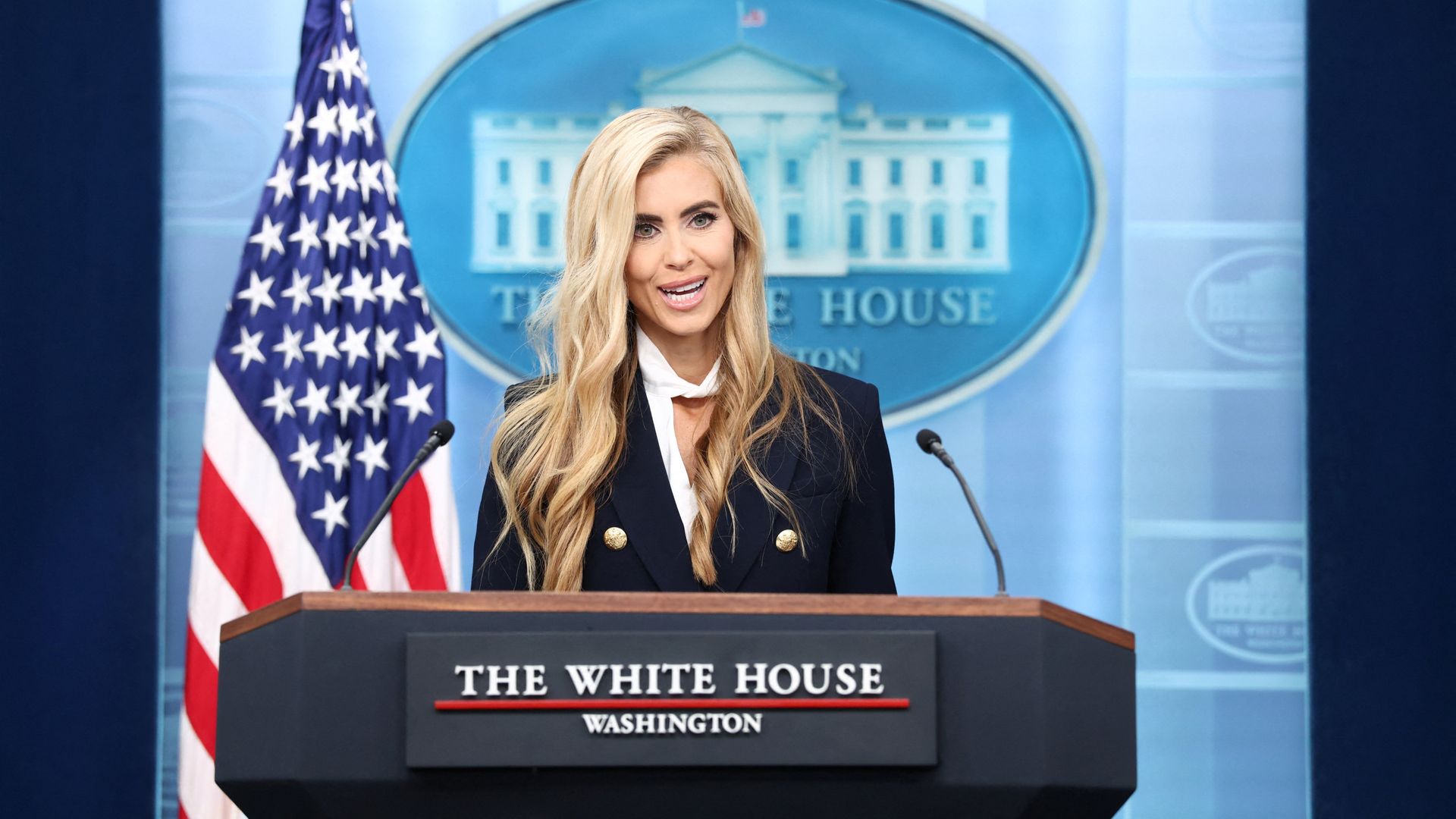
Political history is full of chaotic tenures, but a five-day stint in the highest communications office of the United States government takes a special kind of rapid burnout. When Katie Zacharia stepped down as White House press secretary after less than a week on the job, it immediately joined the bizarre annals of short-lived executive branch staffing blunders.
Let us be honest about what happened. This was not a standard policy disagreement or a quiet resignation over directional philosophy. It was a high-speed collision between rushed vetting, credential scrutiny, and a brutal media environment that spares no one.
The Anatomy of a Five Day Collapse
Most people do not realize how tightly wound the White House press operation is until a crisis hits. When Donald Trump announced Zacharia’s appointment in October 2026, he described her as an attorney. That single word detonated a week of intense investigative digging by reporters and news outlets.
The timeline tells the entire story. Zacharia took the podium for her inaugural press briefing on a Tuesday, keeping the interaction remarkably short and fielding only three questions. Observers panned the performance instantly. Within 48 hours, investigative reports surfaced questioning her credentials, noting she had failed the California bar exam in 2011 and never retaken it after moving abroad.
When pressed about where she passed the bar exam, her initial response that she passed it "when I moved to China" became an immediate talking point. By Friday, the pressure had reached a boiling point. President Trump publicly signaled that he told her to reconsider the role, noting she had been treated unfairly by the press, before a White House official confirmed she was transitioning out of the position entirely. Five days. That was the entire tenure.
How Other Brief Communications Chiefs Fared
History shows that the press secretary and communications director chairs in Washington are notoriously hot seats. When administrations skip rigorous vetting or hire based on television appeal and rapid social media affinity, the fallout is rarely pretty.
Think back to Anthony Scaramucci during Trump's first term. Scaramucci lasted a blistering ten days as White House communications director in July 2017 before a profane-laden media outburst ended his run before it truly began.
Other short-timers across modern history usually exit due to policy disputes, ethical clouds, or internal power struggles. But a departure driven by basic CV discrepancies during the very first week is rare. It exposes a massive blind spot in how modern political teams handle onboarding. When you skip deep background checks to chase an immediate news cycle win, you invite avoidable disasters.
The Problem With Rushed Vetting in Modern Politics
Washington runs on speed. News cycles move in minutes, not days. Social media endorsement often replaces traditional administrative filtering. But governing requires institutional patience that rapid-fire hiring simply cannot match.
When a candidate enters the West Wing without a clean, bulletproof resume, the opposing press corps does not need to dig deep to find vulnerabilities. They are handed the narrative on day one. Zacharia defended her background by explaining she gave legal analysis rather than legal advice, and that she had four children and did not plan to practice law. None of those explanations mattered once the credibility question dominated the briefing room.
Once the public conversation shifts from presidential policy to whether your press secretary lied about their credentials, the administration has already lost the room.
What This Means Moving Forward
Every chaotic staffing exit leaves a blueprint of what not to do. Administrations will keep looking for loyal defenders who can spar with journalists on live television. That desire is natural. But loyalty and television readiness are poor substitutes for basic competence and verified credentials.
If future political teams want to avoid humiliating five-day exits, they need to slow down the hiring process. Check the bar records. Verify the degrees. Stress-test the background before putting anyone behind the iconic blue seal of the podium. Otherwise, the history books will keep adding footnotes about briefers who vanished almost as quickly as they arrived.