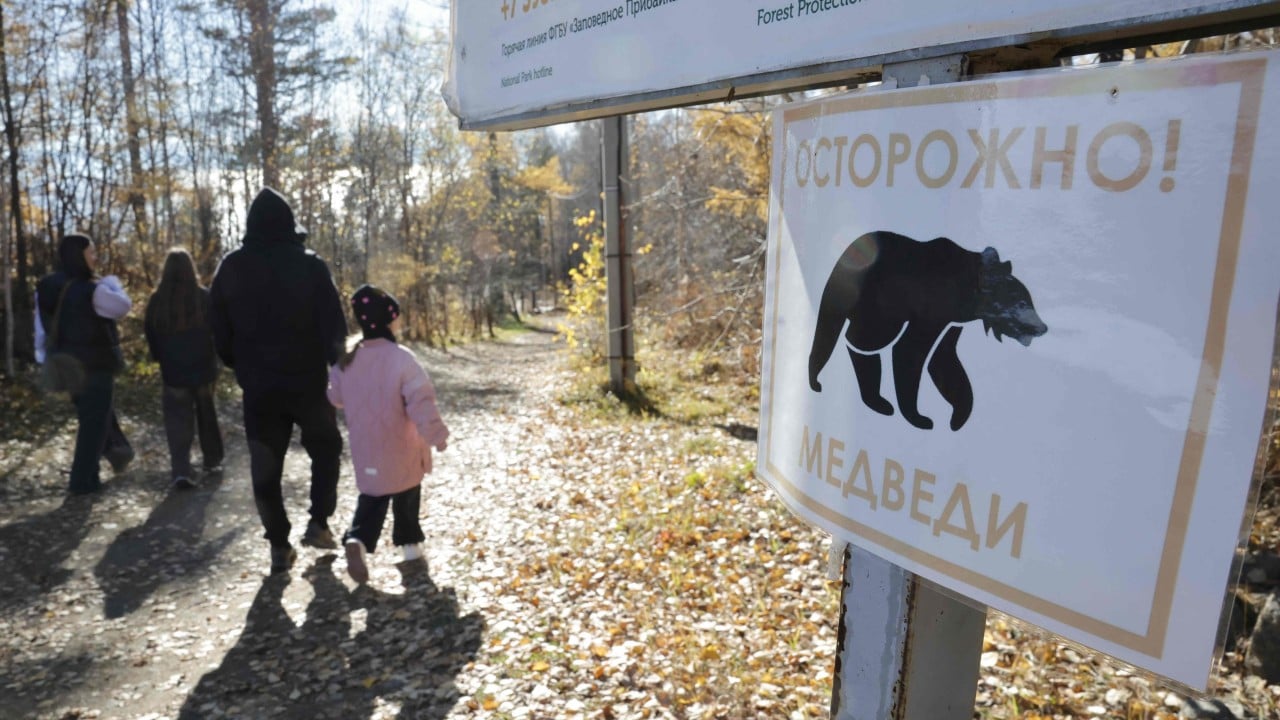
When a tourist gets dragged straight out of a tent in the Altai Republic, the wilderness stops feeling like a vacation spot and starts feeling like an active hazard zone. That chilling incident kicked off a massive wave of fear across Russia this summer. Now, official tallies show that authorities have authorized the culling of over 3,000 brown bears—reaching around 3,440 animals shot since the beginning of the year under decrees targeting predators deemed a direct threat to human settlements.
If you're wondering how a country goes from coexistence to a full-scale cull, the answer lies in a volatile mix of surging bear populations, climate stress, and human expansion into remote territories. Let's look at what's actually happening behind the headlines.
The Scale of the Crisis
Russia's brown bear population isn't shrinking. It's booming. Official estimates place the total number of brown bears in the country at roughly 307,900 individuals, a staggering leap from the roughly 130,000 counted back in 1990.
While baseline encounters happen every year, 2026 brought a brutal spike in aggressive behavior. Media monitoring and regional reports highlighted a massive jump in public safety alerts. Between June and September, public safety reports involving predator sightings and close calls skyrocketed compared to previous years. Regions from southern Siberia to the Far East reported campers attacked, villages surrounded, and livestock destroyed.
The Altai Republic set off emergency protocols after a string of fatal attacks, banning tent camping in specific zones and slapping strict night-movement restrictions between 8 PM and 10 AM. When patrols and drones couldn't deter the animals from pushing into towns, local authorities turned to sweeping culling authorizations.
Why Are Bears Flooding Into Human Areas?
Bears don't usually pick fights with humans unless they're desperate, confused, or habituated to easy garbage. Zoologists point to a few glaring triggers behind this year's crisis.
An unusually dry spring across parts of Russia wreaked havoc on natural food supplies. Berries, nuts, and other vital seasonal foraging sources failed to grow properly. Hungry bears woke from hibernation or spent the warm months scrambling for calories, leading them straight toward human garbage dumps, beehives, and orchards.
At the same time, human infrastructure keeps creeping further into historical wildlife habitats. Logging, mining exploration, and tourism push deeper into taiga forests. When you build hiking trails and tourist camps right through prime foraging grounds, close encounters are inevitable. Once a bear learns that a campsite or a village dumpster offers an easy 2,000-calorie meal, it loses its natural fear of people. That is when tragedy strikes.
The Conservation Backlash
Shooting thousands of bears might look like a quick fix on paper, but wildlife experts are sounding the alarm. Conservationists argue that massive culls fail to solve the root structural problem.
Killing bears in indiscriminate sweeps doesn't fix unsecured village garbage or stop tourists from leaving food waste near tents. Furthermore, zoologists point out that removing apex predators on a massive scale disrupts fragile ecosystems. Critics argue that blaming the animals ignores human negligence and bad waste management practices in rural outposts.
The real challenge moving forward isn't just pulling the trigger when panic sets in. It requires rigorous waste management reform in remote regions, stricter camping bans during food shortages, and better public education on how to store food securely in bear country.
If you plan on traveling through Russia's vast wilderness regions, don't rely on local authorities to keep you safe. Secure your food in airtight containers, avoid camping near known berry shortages, and carry proper deterrents. The taiga isn't a theme park, and respecting the wildlife is the only way to avoid becoming part of the statistics.



