Walk into any local business in Pennsylvania's Lehigh Valley, and you'll hear a common theme. People are tired, financially squeezed, and deeply frustrated with the current state of the economy. National pundits love to treat Hispanic voters as a monolith that swings purely on immigration talking points. That narrative completely misses the mark.
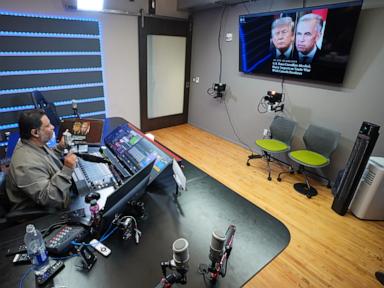
In Allentown, Latinos now make up nearly a quarter of the population, a sharp climb from a fifth just a decade ago. For years, Spanish-language media outlets like Victor Martinez’s morning radio show on La Mega have served as an unfiltered pulse check for this shifting demographic. Listeners call in daily not to debate abstract political theory, but to vent about grocery bills, skyrocketing fuel costs, and the harsh reality of living paycheck to paycheck.
The Economic Reality Behind the Airwaves
When politicians promise quick economic fixes, everyday residents feel the gap between campaign rhetoric and their bank accounts. Listeners frequently call into local programs sharing harrowing personal accounts. One local truck driver joked bitterly about high diesel prices forcing him into an unplanned vacation because filling his rig had simply become too expensive. Another caller broke down on air after losing a job and struggling to figure out how to feed his children.
Many small business owners who voted for change hoping for inflation relief find themselves stuck in the exact same cycle. They are still living day-by-day, watching margins shrink while costs stay stubbornly high. The frustration isn't tied to a single party or a single election cycle. It is rooted in a deep disillusionment with Washington's inability to stabilize everyday living costs.
Why Both Parties Misunderstand the Lehigh Valley
National campaigns routinely underestimate how pragmatic and issue-driven voters in places like Allentown actually are. Political strategists often assume that demographic groups vote out of strict ideological loyalty. In reality, working-class families care about gas prices, job security, and the price of milk.
When costs remain high despite shifts in leadership, voter patience wears thin. Listeners tuning into community radio aren't looking for partisan spin. They want information, connection, and an outlet where their daily struggles are acknowledged rather than ignored by national talking heads.
What This Means for the Midterms
As the midterms approach, the political fallout in battleground regions like Pennsylvania will likely be driven by pocketbook issues rather than party loyalty. When voters feel unheard by federal leaders, they look closer to home for accountability.
If you want to understand where elections are actually decided, stop looking at national polls. Listen to the local airwaves where ordinary people are speaking up about their daily survival. The political party that finally addresses these foundational economic concerns will win over the Lehigh Valley. Until then, the frustration on morning radio will only grow louder.



