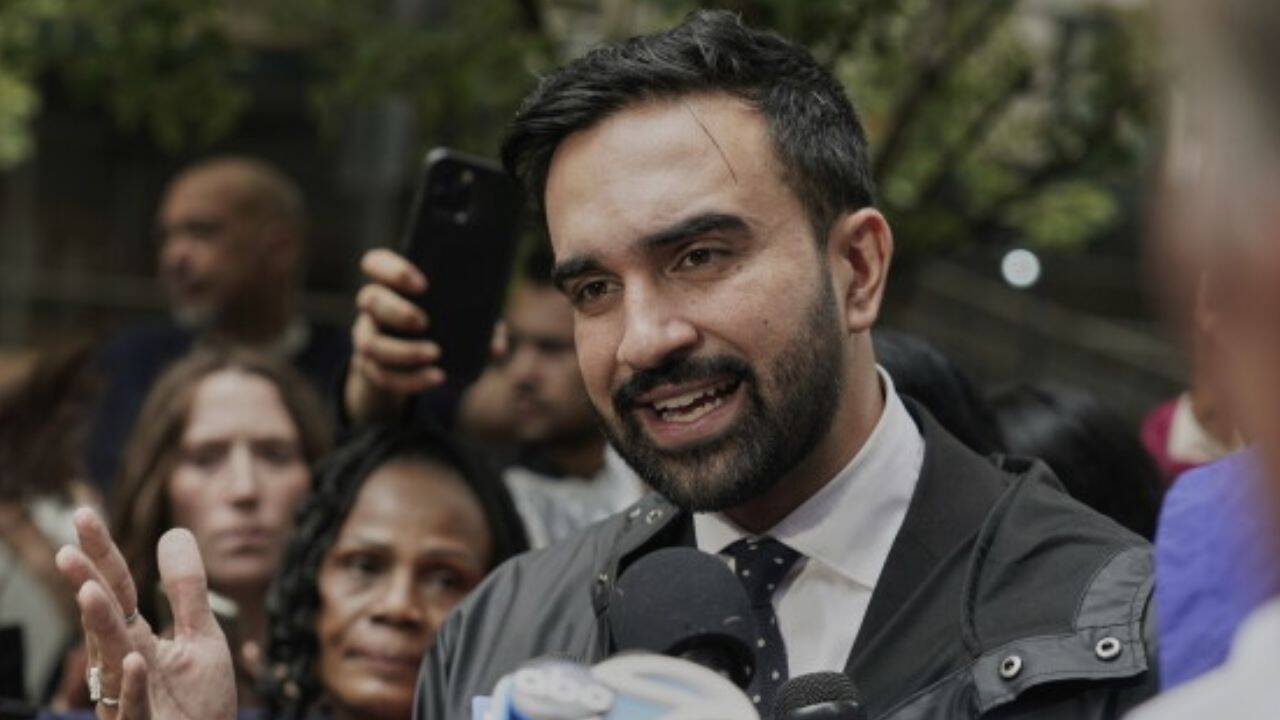
Accountability in law enforcement often feels like a moving target. When rules are bent to let officers slip away quietly, public trust takes another hit. New York City Mayor Zohran Mamdani just drew a hard line after an officer involved in a fatal shooting managed to retire before facing internal disciplinary action.
The incident that sparked this change goes back to March 2024. Nineteen-year-old Win Rozario was shot and killed in his Ozone Park, Queens home during a mental health crisis. Despite desperate pleas from his mother and brother not to shoot, officers fired after Rozario charged at them with scissors. Two officers, Matthew Cianfrocco and Salvatore Alongi, discharged their weapons. While the state attorney general opted against criminal charges, an internal disciplinary process was supposed to follow. Instead, one of the involved officers retired right before the trial could begin.
That loophole exposed a glaring flaw in the system. Officers facing serious disciplinary charges could simply walk away with their pensions intact, dodging accountability and denying closure to grieving families.
Mayor Mamdani responded by ordering the NYPD to conduct its first comprehensive review of use-of-force policies in a decade. This isn't just about reviewing rules on paper. It is about fundamentally reshaping how the department handles critical incidents, mental health responses, and officer retirements.
Closing the Retirement Loophole
You can't have a credible disciplinary system if officers can outrun it. Under the new directives, the NYPD is implementing a strict notification system designed to catch these moves before they happen.
The department will now formalize alerts sent to state authorities when officers attempt to retire while under investigation. This stops them from quietly jumping to another law enforcement agency elsewhere in New York. Plugging this leak means officers must face the consequences of their actions before hanging up the badge for good.
Boosting Independent Oversight
Internal investigations alone rarely satisfy a skeptical public. To fix that, Mamdani's administration announced an injection of $2.6 million in funding for the Office of the Inspector General for the NYPD.
This money isn't a drop in the bucket. It is expected to triple the current headcount of the independent oversight office, giving investigators the muscle they actually need to dig into department practices, review critical incidents, and hold leadership accountable. When oversight bodies are starved of resources, rules become suggestions. Expanding this budget changes that dynamic overnight.
Transparency as a Standard
Families shouldn't have to fight tooth and nail for basic answers after a tragedy. The updated protocols mandate that final reports from the NYPD's Force Investigation Division must be provided directly to families or their legal representatives upon request.
Furthermore, the NYPD must maintain strict compliance with state reporting mandates for any police-involved deaths. Sunlight remains the best disinfectant. By formalizing how information flows to the public and affected families, the administration aims to rebuild a fractured relationship between communities and the badge.
If you follow municipal policy or care about urban safety, keep an eye on how these oversight expansions roll out over the coming months. Real reform is measured by execution, not announcements. Check your local civic updates, track the budget allocation for the Inspector General's office, and hold your local representatives to the standards they promise.



