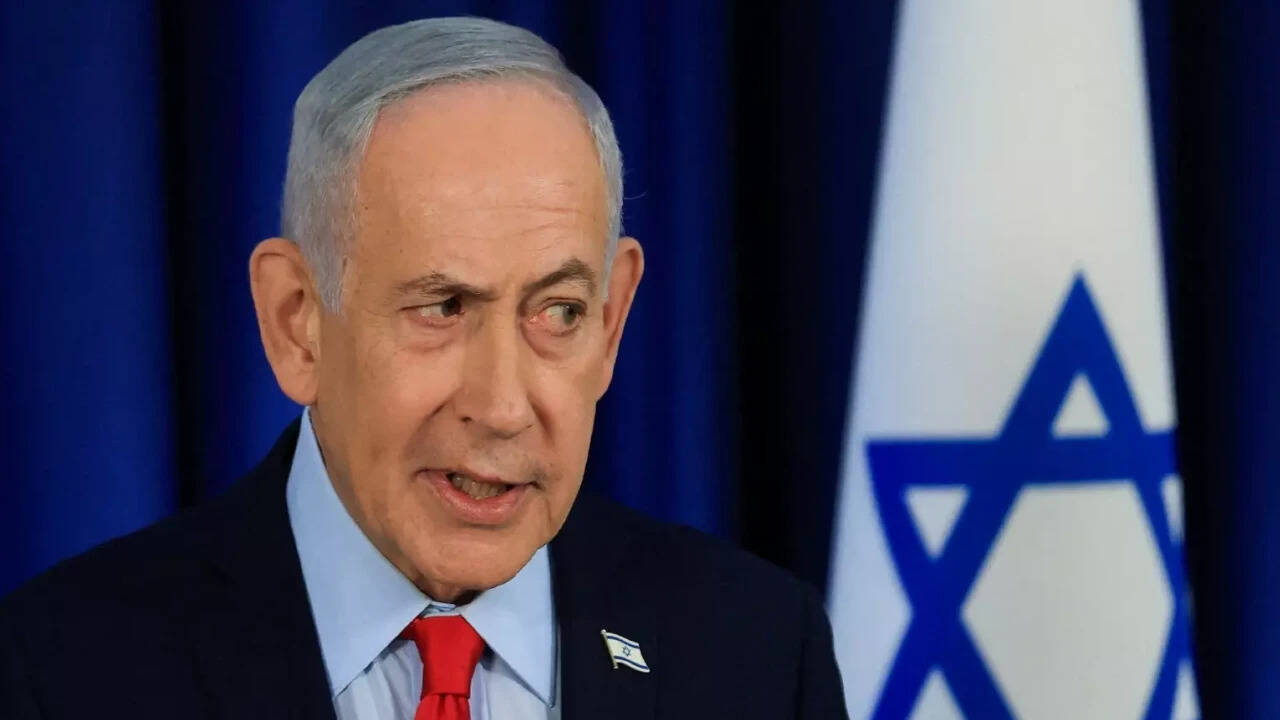
Geopolitical chess boards rarely move this fast. Benjamin Netanyahu wants Saudi Arabia to greenlight Israeli military operations against Yemen’s Houthi rebels, using American backchannels to pitch the move. Riyadh isn't biting.
Behind closed doors, the request exposes a desperate scramble to reshape Middle Eastern alliances while ballistic missiles keep landing near critical Saudi infrastructure. But why would Israel want to bomb targets deep inside Yemen, and why is Crown Prince Mohammed bin Salman pushing back so hard? Let's break down the messy reality behind these closed-door diplomatic maneuvers.
The Real Motive Behind Israel's Push
If you look past the official press releases, Netanyahu's sudden eagerness to join the anti-Houthi coalition isn't just about regional security. It’s a calculated political play.
The Houthi threat is real, commercial shipping through the Bab el-Mandeb Strait remains precarious, and recent missile strikes hitting near Riyadh's King Khalid International Airport have rattled the Gulf. Yet, Israel's underlying strategy involves much more than stopping drones and missiles. Netanyahu sees this crisis as an open window to revive normalisation talks with Riyadh.
Washington has spent years pushing for a historic security pact between Saudi Arabia and Israel under the umbrella of the Abraham Accords. Before the October 7 attacks and the devastating war in Gaza, that deal looked entirely possible. Now, it's stalled. By offering military muscle against a common enemy that is actively targeting Saudi airports and oil installations, Tel Aviv hopes to force open a diplomatic door that has stayed firmly bolted shut.
Why Riyadh Is Saying No
Mohammed bin Salman faces a political tightrope walk that makes Israeli involvement a non-starter.
Public sentiment across the Arab world remains fiercely opposed to Israel given the ongoing casualties in Gaza. If Saudi Arabia invites Israeli jets to strike targets in Yemen, the domestic backlash could destabilise the kingdom from within. MBS knows this risk intimately.
Furthermore, Riyadh's official stance hasn't budged an inch: there will be no normalization of ties with Israel without concrete, irreversible steps toward a Palestinian state. Netanyahu flatly rejects Palestinian statehood. That single policy divergence creates a brick wall that neither US mediation nor shared operational interests can easily tear down.
The Security Dilemma in the Red Sea
The Houthi threat hasn't faded despite months of Western airstrikes. In fact, their campaign has grown bolder, striking deep into Saudi territory and threatening vital global supply chains.
When ballistic missiles kill dozens and injure hundreds near capital airports, the calculus of defense changes overnight. Saudi Arabia finds itself caught between the necessity of defending its airspace and the toxic optics of accepting direct military assistance from Israel.
Netanyahu's offer puts Riyadh in an awkward diplomatic corner. Accepting help from Israel validates the normalisation track prematurely, angering domestic constituents and alienating other regional players like Iran. Rejecting it leaves Saudi security dependent on Western coalitions that haven't fully neutralized the Houthi missile threat.
Expect more backchannel friction, stalled US mediation efforts, and quiet security coordination that never makes the evening news. The regional map won't redraw itself overnight, and desperate diplomatic gambits rarely survive the harsh light of Middle Eastern realpolitik.



