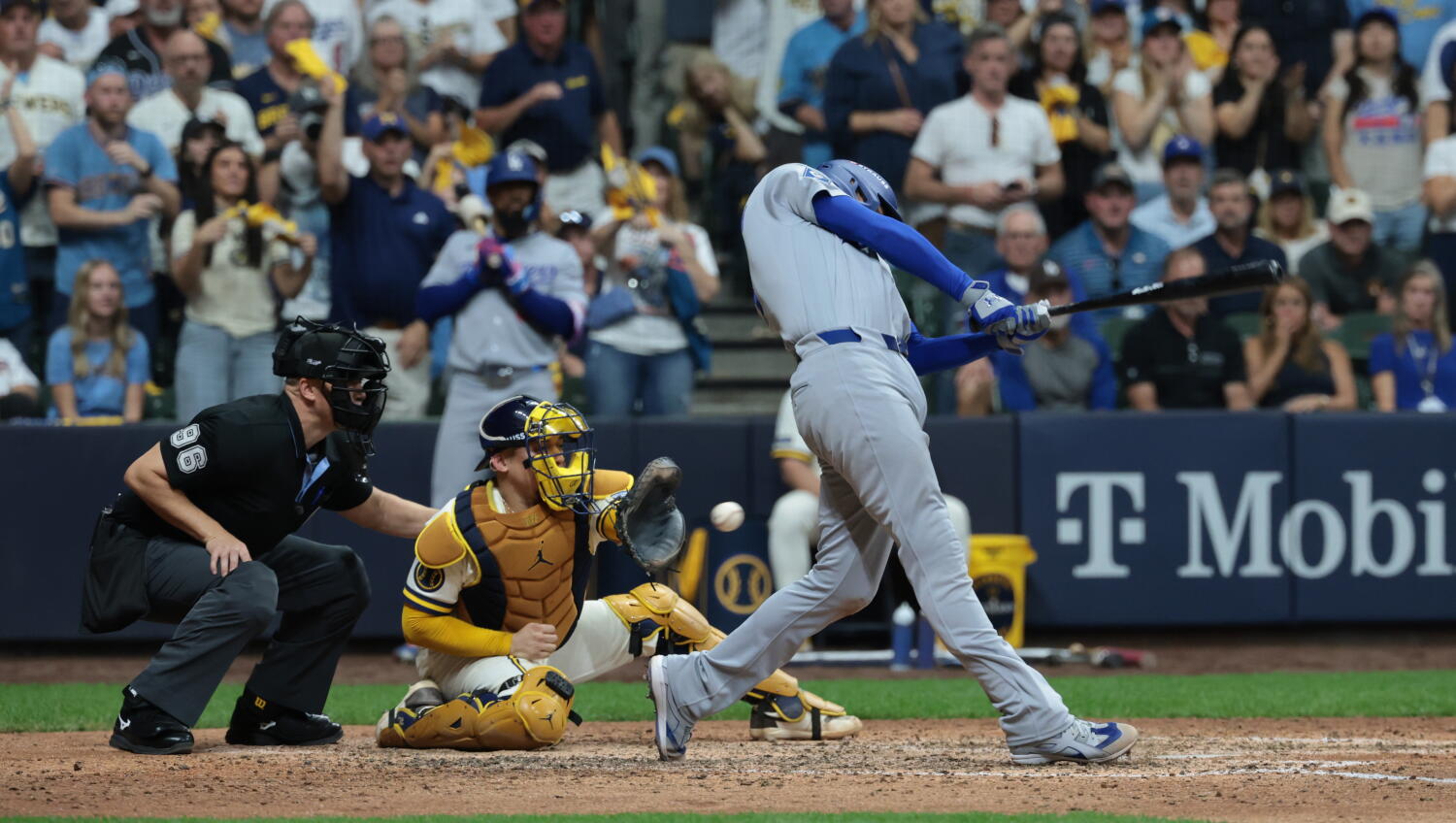
You can spend half a billion dollars on your lineup and still look completely helpless against a wall of relievers throwing five perfect innings.
The Los Angeles Dodgers rolled into American Family Field with all the financial might, star power, and championship pedigree modern baseball can buy. Yet during Game 2 of the National Language Championship Series, they ran into something that payroll records can't replicate: a Milwaukee Brewers bullpen operating on an entirely different plane of reality. With a 7-4 victory sealed by five flawless frames from Milwaukee relievers—including dominant work from arms like Abner Uribe—the Brewers seized a commanding 2-0 series lead and left Los Angeles searching for answers.
People always assume October baseball belongs to the highest bidder. You sign the megastars, you collect the big bats, and you let your heavy hitters take over when the lights get bright. But watching Dustin May, JoJo Romero, Abner Uribe, and Aaron Ashby carve through a star-studded Dodgers order exposes the flaw in that logic. Milwaukee's relief corps didn't just shut the door; they slammed it, locked it, and threw away the key, setting a postseason record for the most perfect innings thrown by a bullpen in a single playoff game.
The Problem With Buying Everyone
Look at the construction of modern rosters. Front offices hoard luxury talent, building top-heavy lineups and hoping their pitching depth holds together through grueling six-month schedules. Los Angeles did everything right on paper. They got the Brewers' starting pitcher out of the game early, forced Milwaukee to burn through high-leverage arms, and still found themselves completely stymied.
When Abner Uribe stepped to the mound to face the heart of the order, he didn't care about stat sheets or batting averages. He threw a tight, nasty slider that baffled hitters who rarely swing and miss, punching out Mookie Betts and Andy Pages with absolute authority. That is not something you purchase at the winter meetings. That is the product of precise player development, fierce organizational confidence, and a pitching lab that squeezes every drop of talent out of live arms.
Why Milwaukee Relief Dominates When It Counts
The numbers are staggering. Across the postseason, Milwaukee's bullpen has pitched over 28 innings while surrendering a single run. Think about that for a second. That is nearly three full games of high-stakes playoff baseball where opposing hitters have basically achieved nothing.
Why does this happen year after year while big-market teams panic over blown saves?
- Velocity With Movement: These guys aren't just throwing hard; their shapes and breaking pitches exploit modern analytical targets without sacrificing raw aggression.
- Relentless Fearlessness: Relievers like Uribe and Ashby don't pitch to survive innings. They attack hitters with wipeout secondary pitches early in counts.
- Seamless Role Clarity: Every arm in that bullpen knows exactly when they are needed and what specific batter they are built to neutralize.
When you face a parade of fresh arms throwing high-90s heat paired with devastating sliders, your plate approach starts to fracture. You begin pressing. You chase pitches out of the zone because you feel like every mistake pitch might be your last good look of the night.
What Los Angeles Needs To Change Right Now
If Dave Roberts and the Dodgers want to salvage this series, they have to stop waiting for the big home run and start manufacturing pressure. Waiting around for a mistake pitch against a bullpen that doesn't walk anyone is a recipe for a sweep. They need to shorten their swings, spoil tough pitches, and find a way to disrupt the rhythm of relievers who look entirely untouchable.
Money builds dynasties on paper, but October belongs to whoever pitches better in the seventh, eighth, and ninth. Milwaukee proved that spending millions doesn't buy you a shutdown arm when the stadium is shaking.
Figure out how to counter the slider or start packing your bags for an early winter.