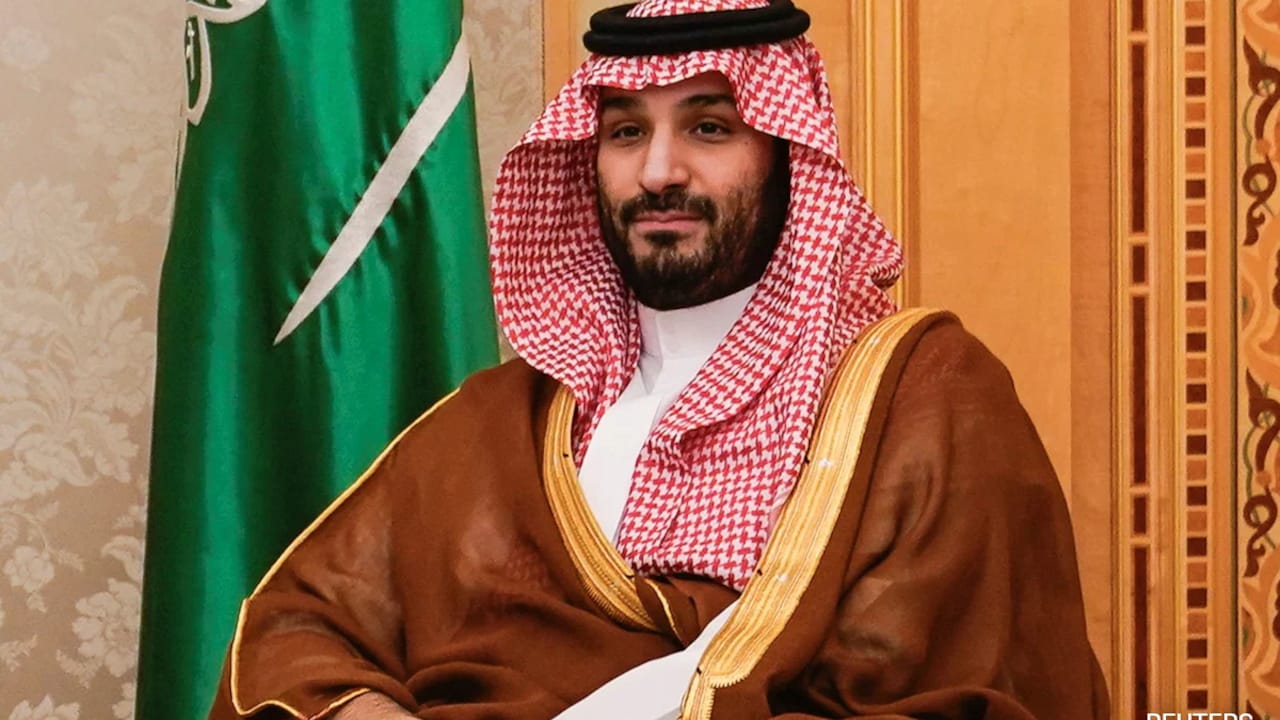
Security alerts inside Riyadh are flashing red. Crown Prince Mohammed bin Salman has reportedly vanished from public view, shuttling between heavily fortified residences shielded by bunker systems and specialized details. This sudden tactical shift follows a severe escalation in hostilities involving Yemen’s Houthi movement, culminating in a devastating strike on King Khalid International Airport that left dozens injured and shattered illusions of safety in the capital.
When a multi-billion-dollar defense budget collides with persistent cross-border aerial threats, the math changes overnight. Riyadh finds itself scrambling to reevaluate its strategic vulnerabilities. Behind closed doors, military advisors are fielding urgent questions about interceptor stocks, early warning gaps, and the real cost of a prolonged stalemate in the Arabian Peninsula.
The Breaking Point at Riyadh Airport
The weekend attack on King Khalid International Airport changed everything. For years, the kingdom's major population centers operated under the assumption that advanced air defense networks could neutralize incoming projectile threats long before ground impact. That calculation failed.
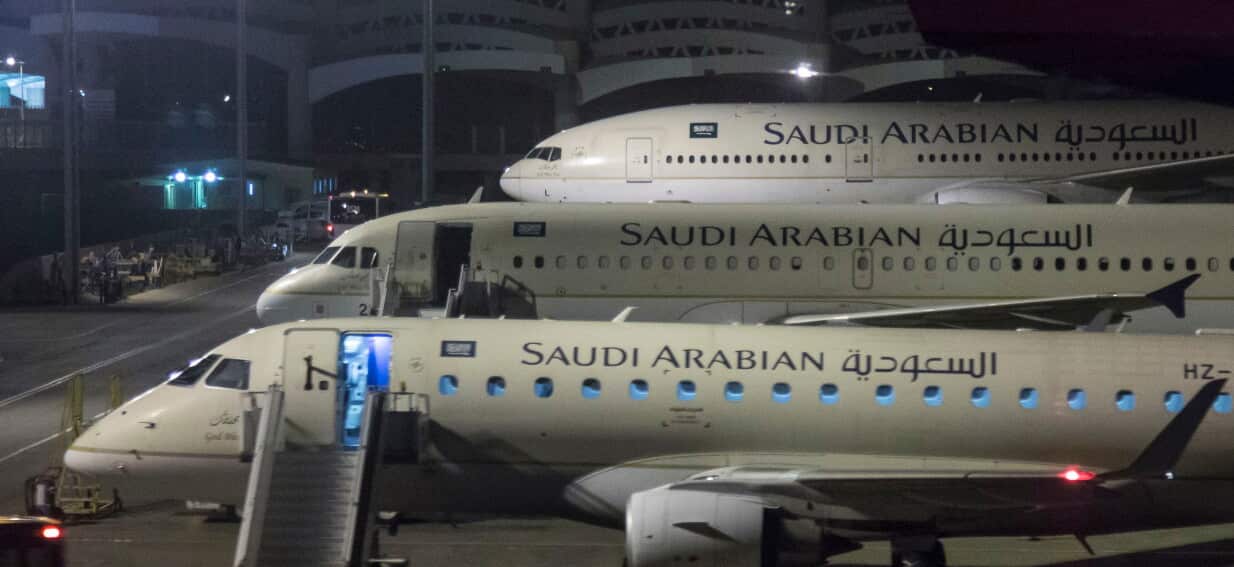
Reports indicate that at least one ballistic projectile bypassed defenses, striking vital infrastructure and causing significant casualties. The closure of King Khalid International Airport disrupted regional transit hubs and forced international carriers to reroute flights across the Gulf.
Energy ministers and state officials have issued sharp warnings that retaliation will be swift and severe. Yet, rhetoric offers little comfort to residents watching air defense batteries fire live interceptions into the night sky over diplomatic quarters. The immediate priority inside the royal court is physical survival and threat mitigation, which explains why the leadership's daily movements have become closely guarded state secrets.
Dissecting the Military Disconnect
Observers often ask why an armed force backed by massive defense spending struggles to achieve total aerial dominance over insurgent rocket units. The answer lies in the asymmetric nature of modern missile warfare. Launch systems used by regional non-state actors are mobile, hidden in rugged terrain, and cheap to manufacture compared to high-end Patriot batteries and interceptor missiles.
Saudi Arabia entered Yemen's civil war back in 2015 alongside a coalition aimed at restoring the internationally recognized government. What was initially envisioned as a swift campaign turned into a grinding war of attrition. The 2022 ceasefire offered a window of diplomatic hope, but that fragile arrangement collapsed following wider regional flashpoints tied to Iran and its network of allied groups.
When diplomatic channels freeze, missile tests and retaliatory strikes fill the vacuum. Tehran's diplomatic corps has expressed concern that continued fighting benefits only third-party actors, while simultaneously keeping regional energy corridors on edge.
What Happens Next in Gulf Security
The immediate calculus involves more than just military retaliation. Washington is weighing options for direct support, and regional partners are recalibrating their defense pacts. If the conflict widens, the economic fallout will ripple across global oil markets, supply chains, and aviation networks.
For the Crown Prince and his security apparatus, managing the immediate physical threat means adapting to a permanent state of high alert. Palaces are being retrofitted with reinforced bunkers, communication blackouts are routine, and movement schedules are randomized to prevent targeted intelligence gathering.
Assess the situation realistically. A sustainable resolution requires returning to serious political dialogue, acknowledging legitimate security concerns on all sides, and sealing the loopholes that allow advanced munitions to reach frontline combatants. Until those diplomatic mechanisms take hold, the leadership will remain underground, and the region will stand on a knife-edge.