Initial jobless claims in the United States keep hugging the historic sub-200,000 line, most recently ticking up to 199,000. Headlines flash words like "resilient" and "rock-solid." Corporate earnings look fine, and massive layoffs aren't hitting the nightly news.
If you glance at the weekly Department of Labor report, you'd think American workers are sitting pretty with unbeatable job security. But take a closer look at what those numbers actually measure. They only count who is losing a job right now, not who is struggling to find one.
The Trap of Low Layoffs
It's easy to confuse low layoffs with a booming job market. They aren't the same thing.
When initial claims hover under 200,000 week after week, it means companies are holding onto their current headcounts. Bosses are reluctant to purge staff because hiring replacement talent is expensive and tedious.
Instead of cutting payrolls, employers are choosing a wait-and-see strategy. They are freezing open positions, slowing down external hiring, and telling teams to do more with less.
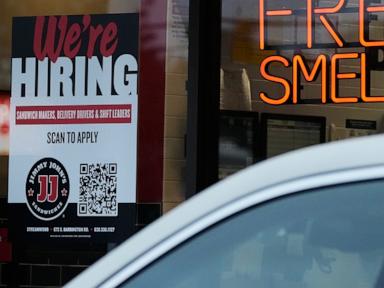
If you already have a stable corporate desk job, your security is high. If you're a recent graduate, a career switcher, or someone trying to break back into the workforce after a hiatus, the doors are locked. The headline metric ignores you entirely.
What Continuing Claims Reveal
While new filings grab the attention, continuing claims tell a much more nuanced story. Those ongoing benefit requests sit around 1.71 million.
People who lose their jobs are staying unemployed longer. Finding a new gig isn't as simple as updating a resume and taking the first offer that lands in your inbox. Hiring cycles stretch out across months. Background checks, endless interview rounds, and cautious HR departments drag the process down.
When continuing claims stay sticky even while initial filings drop, it signals a quiet friction beneath the surface. Companies aren't firing people in droves, but they aren't bringing new ones aboard quickly either.
The Fed and the Waiting Game
Federal Reserve policymakers watch these weekly prints like hawks. When initial claims stay comfortably below the historical danger thresholds of 250,000 or 300,000, central bankers feel justified keeping interest rates elevated to cool down stubborn inflation pressures.
Chairman Kevin Warsh and other officials point to this steady employment baseline as proof that the broader economy can handle tighter monetary policy.
Yet economists note a growing divergence. Consumer confidence surveys show mounting anxiety about job availability, even as the government reports minimal layoff activity.
What This Means for Your Career
You can't control macroeconomic policy or Department of Labor adjustments. You can control how you navigate a market caught in a "low layoffs, low hiring" freeze.
If you're currently employed, don't take your position for granted just because mass layoffs aren't happening. Build cross-functional skills, document your wins, and keep your internal network warm.
If you're job hunting, expect a slower grind. Tailoring generic applications won't cut it when competition for open slots is fierce. Lean on direct referrals and target mid-sized companies that are actually growing rather than corporate giants locked in hiring freezes.
The headline numbers look great on paper. Real life on the ground requires a sharper strategy.