National airport screenings and capital-city labs grab the headlines during health crises. But when an imported Ebola case or scare ripples outward, the real test happens hundreds of miles away from Nairobi.
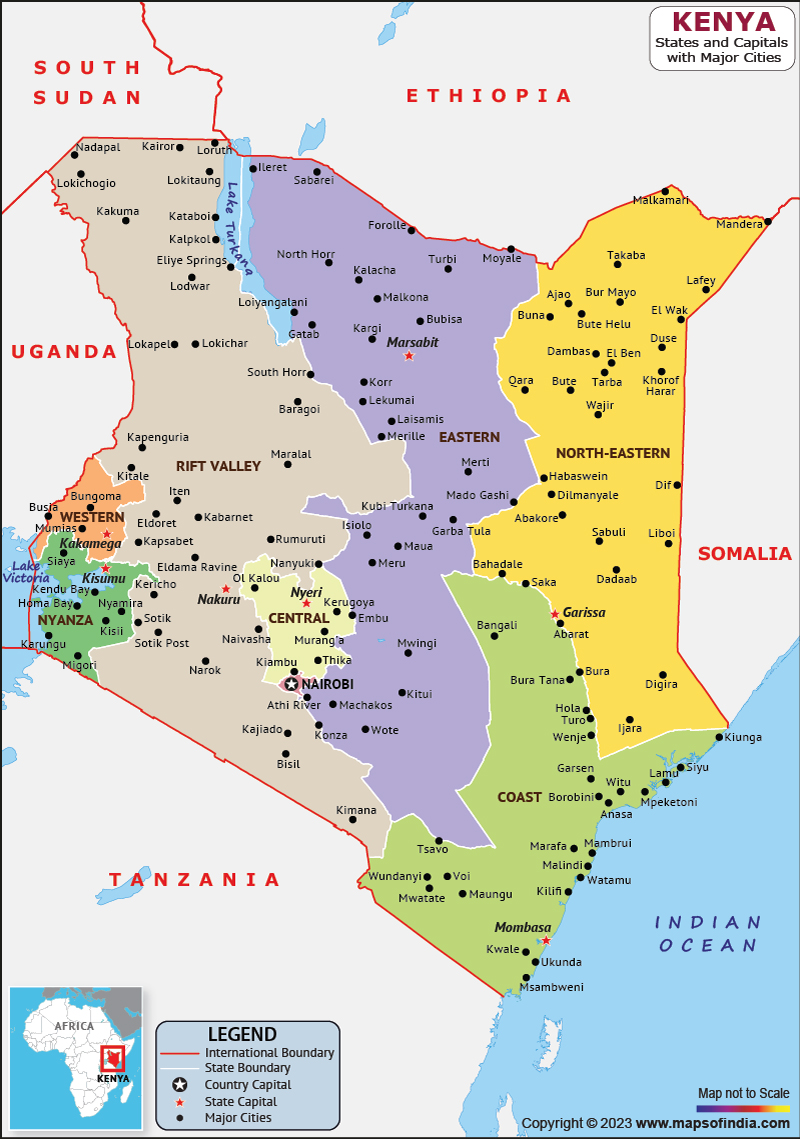
In October 2026, Kenya confirmed cases of the Bundibugyo virus strain, originating from travellers arriving via the Democratic Republic of the Congo and Uganda. While federal authorities mobilized swiftly in Nairobi, a suspected case in the northeastern county of Wajir exposed the fragile reality of remote outbreak management. The patient tested negative, yet the incident laid bare the stark gaps in local infrastructure, specialized staffing, and immediate resource allocation outside major urban centers.
If you look past aggregate national statistics, a different story emerges about how well local counties can actually handle infectious diseases.
The Illusion of Aggregate National Numbers
Federal health reports often cite impressive figures. By mid-October 2026, Kenya’s Ministry of Health and the World Health Organization reported screening over 665,000 travellers, testing hundreds of samples, and training nearly 5,000 healthcare workers.
Big numbers look reassuring on paper. They don't tell you what's happening on the ground in remote districts.
Counties like Wajir sit on vast borders with high cross-border movement, trading routes, and nomadic populations. When a potential viral threat surfaces in these peripheral regions, health workers face immediate bottlenecks:
- Limited personal protective equipment stocks sitting in central warehouses instead of local clinics.
- Scarcity of trained rapid-response personnel stationed locally.
- Extended turnaround times for sample transport to designated labs in Nairobi or regional hubs.
- Insufficient isolation ward capacity that meets strict biosafety standards.
National training totals mean very little if a subcounty hospital lacks the basic tools to safely isolate a patient on day one.
Frontline Realities in Wajir and Beyond
Wajir South's Habaswein Subcounty Hospital became a focal point when a 20-year-old traveler presented with severe febrile illness after crossing from Uganda and the DRC. Local officials handled the situation, implementing contact tracing and precautionary quarantine.
Yet, local administration struggled to provide transparent metrics on isolation bed counts or specialized equipment availability during the scare. Local health systems rely heavily on community health promoters and public radio campaigns to manage panic and spot early symptoms.
When fear spreads, misinformation moves faster than public health bulletins. Rumors about viral transmission can discourage people from seeking medical help early, turning manageable containment into a community-wide crisis. Building local trust requires more than posters and radio spots. It demands functioning clinics with visible, reliable safety protocols.
What Real Preparedness Demands
Protecting remote communities requires a complete shift from centralized stockpiling to localized empowerment. Dr Mary Muthoni, Kenya’s principal secretary for public health and professional standards, put it plainly: no health worker should ever attend to a suspected Ebola case without proper protective gear.
Translating that mandate into practice requires actionable steps:
- Decentralize PPE Distribution: Move protective gear out of national central stores directly into high-risk border counties before an outbreak hits.
- Establish Regional Testing Capabilities: Reduce reliance on distant reference laboratories by empowering regional testing sites for rapid turnaround.
- Equip Community Networks: Train local leaders and community health promoters to counter stigma and guide residents toward safe medical facilities instantly.
- Audit County Facilities: Conduct regular, transparent stress tests of remote isolation units rather than relying on national-level readiness scores.
Capital city containment is only half the battle. True outbreak resilience is measured at the furthest edge of the healthcare network.



