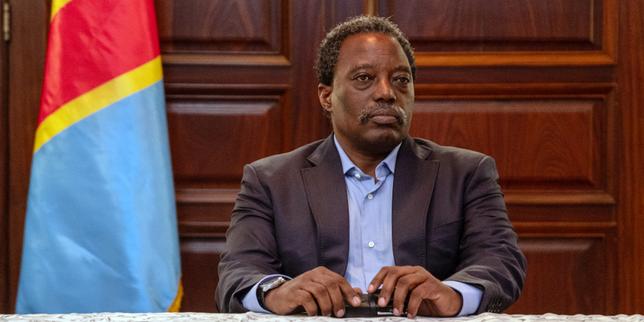
Masks are off in Central Africa. Former Congolese president Joseph Kabila has officially stepped out of the shadows, taking the reins of a brand-new politico-military coalition known as the Front pour la Refondation de la Nation (FRN). This platform absorbs the notorious AFC-M23 movement, transforming years of political speculation into an undeniable battlefield reality.
If you've been following the protracted security crisis in the eastern provinces, you know that Kinshasa has long accused its former leader of pulling strings behind the scenes. Now, there's no guesswork left. Kabila isn't just an interested observer anymore; he's front and center, steering a rebellion against the very government he once ran for nearly two decades.
The Birth of the Front pour la Refondation de la Nation
Launched publicly in Goma, the FRN represents a massive shakeup for the conflict-ridden Kivu region. The coalition regroups heavy hitters from the dissolved AFC-M23 architecture. Alongside Joseph Kabila, the lineup features political figures like Bertrand Bisimwa and Corneille Nangaa, while military command stays firmly in the hands of General-Major Sultani Makenga.
Why rebrand now? Analysts tracking the Great Lakes region point to internal friction and the need for a unified front. Kabila brings massive financial leverage and political weight that previous insurgent leadership simply lacked. By merging existing rebel networks under a freshly minted banner, the coalition attempts to project broader legitimacy while keeping its military teeth sharp. Further analysis on this trend has been published by BBC News.
Kinshasa isn't buying the rebrand. Long before this announcement, judicial authorities sentenced Kabila to death by contumace for treason and war crimes, tying him directly to the initial rise of the AFC. President Félix Tshisekedi’s administration views this move as the ultimate confirmation of domestic subversion, validating months of harsh warnings from government officials.
Inside the Power Struggle and Regional Dynamics
Nothing happens in eastern Congo without regional chess pieces moving into position. Kabila’s integration into the rebel hierarchy wasn't smooth sailing. Intelligence reports leaked earlier revealed frantic behind-the-scenes turf wars, where factions tried to sideline traditional commanders to clear a path for the former head of state.
Yet, keeping Sultani Makenga at the head of the military branch proves that external actors—specifically Kigali, which faces enduring accusations of backing the M23—still maintain a tight grip on operational realities. Kabila’s alignment with forces tied to neighboring influence changes the diplomatic landscape entirely. Peace frameworks negotiated in Washington and Doha now face severe stress tests. Can international mediators deal with a rebel movement spearheaded by a former president who ruled the country for eighteen years?
What This Means for the Ground Reality
For millions of Congolese citizens caught in the crossfire across North and South Kivu, this shift spells more uncertainty. Humanitarian crises in displacement camps near Goma remain catastrophic. When political elites trade ballot boxes for kalachnikovs, civilian populations always pay the highest price.
The illusion of a quiet retirement for Joseph Kabila is dead. He chose the path of open confrontation, upending the political calculus of Kinshasa ahead of future electoral cycles.
Stop expecting a quick diplomatic fix. The gloves are off, and the conflict has entered a darker, more volatile chapter. Keep your eyes on the military movements around Goma, because the fallout from this alliance will dictate the fate of the nation for years to come.