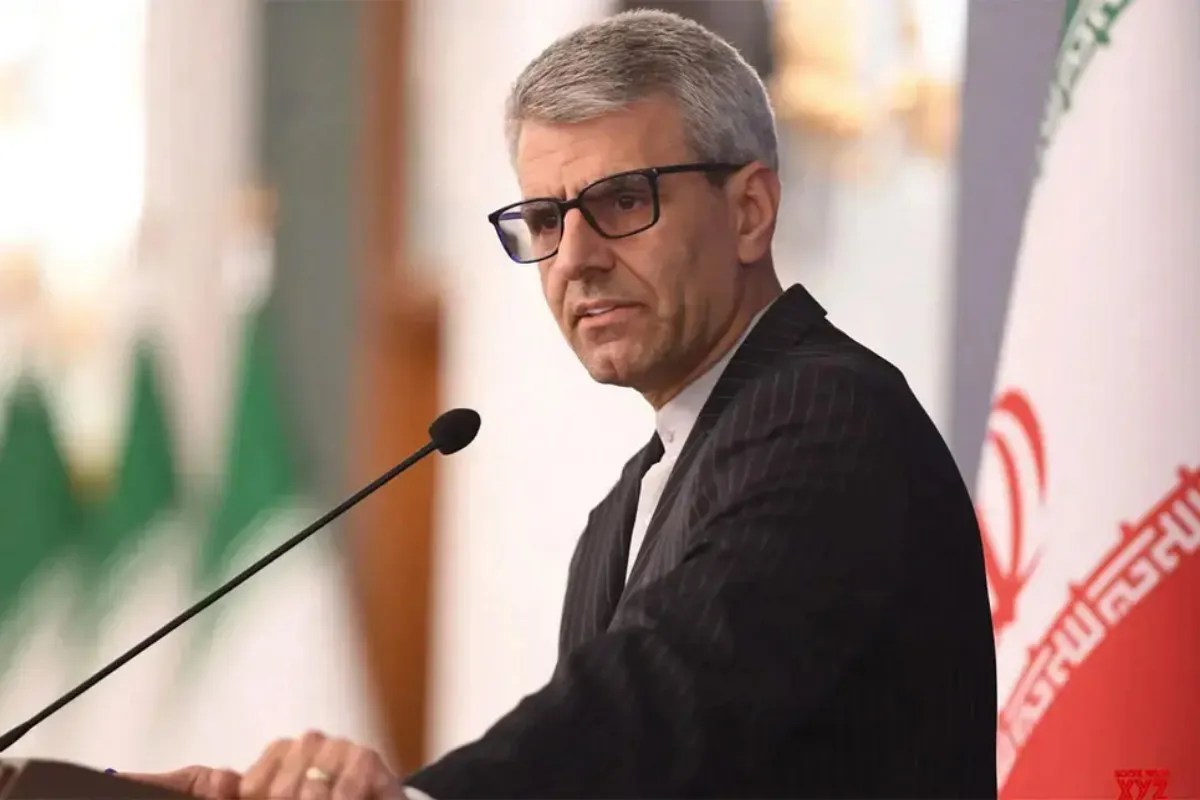
Geopolitical chess boards rarely stay still. When tensions flare up between regional players, the ripple effects usually hit global markets and security corridors before anyone even notices. Recently, Iranian Foreign Ministry spokesman Esmaeil Baghaei stepped into the spotlight with a surprising diplomatic pitch. He announced that Tehran is ready to help broker dialogue between the Houthis and Saudi Arabia to halt escalating attacks across the Arabian Peninsula.
If you've been following Middle Eastern security dynamics, you know this stance isn't just standard diplomatic fluff. It signals a calculated pivot in how regional heavyweights calculate risk, leverage, and long-term stability.
The Real Motive Behind Tehran's Mediation Offer
Why would Iran offer to step in now? Baghaei made no secret of Tehran's primary concern during his press briefing. He pointed out that ongoing clashes between the Houthis and Saudi forces only serve one ultimate winner: the Israeli regime. According to Tehran's perspective, persistent bloodshed across the peninsula undermines Islamic solidarity and invites external vulnerabilities.
Let's be honest. Geopolitics is rarely driven by pure altruism. Iran faces its own economic pressures and regional security equations. By positioning itself as a mediator rather than just a belligerent proxy-master, Tehran wants to project state legitimacy and influence the architecture of regional security. It's a classic power move. You help calm the waters so you can steer the ships.
What Escalating Attacks Actually Mean for the Region
The localized strikes between Houthi forces and Saudi infrastructure aren't isolated incidents. They threaten global supply chains, energy markets, and civilian safety. When airports and critical infrastructure take hits, international aviation warnings spike, and insurance premiums for cargo ships jump overnight.
Nobody wins in a protracted war of attrition. Saudi Arabia wants to secure its borders and focus on its massive economic transformation projects, which require stability more than anything else. Meanwhile, the Houthis are dealing with severe humanitarian and governance challenges in Yemen.
Decoding the Diplomatic Posturing
Baghaei's remarks highlight a core dilemma. Can external actors like Iran genuinely facilitate peace while maintaining deep ties to non-state actors involved in the fight? Critics remain deeply skeptical. True de-escalation requires verifiable commitments, cessation of arms flows, and genuine compromise from all sides of the conflict.
Yet, ignoring diplomatic openings is a rookie mistake. Even if the rhetoric sounds self-serving, it creates a diplomatic opening where backchannel negotiations can take root. Intelligence agencies and foreign ministries across the globe are already parsing every word of Baghaei's statement to see if action will follow words.
Keep your eyes on the ground developments over the coming weeks. Watch for whether rhetoric translates into actual drops in cross-border strikes or if it's just another fleeting headline in an endless cycle of Middle Eastern diplomacy.



