We've spent decades watching the Middle East stumble from one crisis to another, treating each flare-up as an isolated incident rather than symptoms of a chronic structural failure. When senior diplomats step up to microphones to state the obvious—that regional peace is impossible while multiple conflicts burn simultaneously—it sounds like boilerplate rhetoric. But look closer. Tehran's recent insistence that regional peace requires an end to war on all fronts reveals a calculated shift in diplomatic posturing, balancing deterrence with a desperate need for economic breathing room.
Let's break down what's actually happening beneath the diplomatic veneer. Abbas Araghchi, or high-level diplomatic voices like Deputy Foreign Minister Abbas Araghchi and prominent envoys such as Seyed Abbas Araghchi or former foreign ministry spokespeople like Saeed Khatibzadeh, have repeatedly hammered home a central thesis. You cannot compartmentalize violence. When borders bleed from Lebanon to Yemen, stability in the Persian Gulf remains a pipe dream.
The Anatomy of Multi-Front Conflict
Modern Middle Eastern geopolitics doesn't operate in a vacuum. A drone strike in one theater triggers naval blockhares thousands of miles away. Tehran's core argument is that fragmented ceasefires fail because they treat the disease by changing bandages instead of addressing the infection.
For years, regional strategy relied on managed escalation. Governments assumed they could fight proxy conflicts in specific zones while keeping trade routes and domestic capitals safe. That luxury evaporated.
- Supply chains shatter overnight when maritime security collapses.
- Domestic populations grow weary of endless austerity driven by military spending.
- Miscalculation risks spiraling into total devastation before diplomatic channels can open.
When officials stress a comprehensive halt to hostilities, they are signaling that piecemeal deals won't cut it anymore.
Economic Pressures Fueling Diplomatic Realism
Nobody talks enough about the ledger. Sanctions combined with massive military expenditures have squeezed economies across the region until the pips squeak. You can't project ideological power when your citizens are queuing for basic goods and national currencies are nosediving.
Iran's push for a synchronized end to regional fighting isn't just about altruism or sudden pacifism. It's cold, hard pragmatism. Tehran needs trade corridors open. It needs foreign investment flowing from neighbors who are currently terrified of regional conflagration.
Diplomacy thrives when the cost of continued conflict outweighs the benefits of victory. Right now, every regional player is bleeding capital. By framing regional peace as an all-or-nothing proposition, Tehran attempts to shift the burden of compromise onto adversaries who are equally exhausted.
The Regional Skepticism Factor
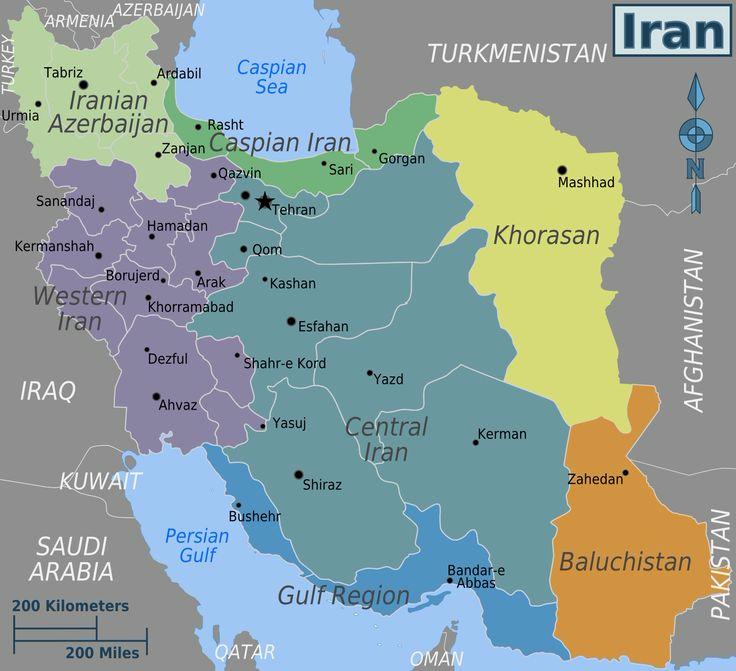
Of course, trusting these declarations is complicated. Rivals in Riyadh, Tel Aviv, and Washington view Tehran's rhetoric with intense skepticism. They ask a fair question: how can you call for peace on all fronts while maintaining deep ties to armed networks operating outside state control across Lebanon, Iraq, and Syria?
That contradiction remains the central roadblock. To western and regional capitals, ending war on all fronts means dismantling the very "axis of resistance" networks that Tehran spent decades building and financing. From Iran's perspective, those networks are defensive bulwarks against superior conventional military forces backed by western powers.
This creates a brutal stalemate. Both sides want stability, but neither agrees on the baseline definition of what normal behavior looks like.
What Comes Next for Middle Eastern Diplomacy
The reality on the ground rarely bends to polished press releases. Ceasefire negotiations stall because every faction wants to lock in territorial and political gains before laying down arms.
If diplomatic channels are going to yield actual results, they have to move past grand statements about regional harmony. They need granular agreements that address local grievances, secure borders, and guarantee economic relief for ordinary people caught in the crossfire.
Until leaders trade grandstanding for genuine compromise, the war on all fronts will keep grinding forward.