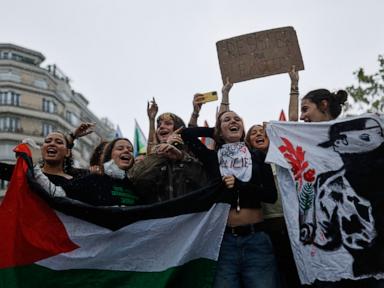
When thousands of high school students block school gates with burning bins, you know something in the system has broken. France is back on the streets. What started in mid-September as isolated student-led protests over overcrowded classrooms, crumbling facilities, and teacher shortages has mutated into a full-scale social explosion. Citizens nationwide are marching hand-in-hand with students, connecting educational grievances to a suffocating cost-of-living crisis that feels impossible to escape.
If you are wondering why this particular wave of unrest feels different from ordinary French labor disputes, look at the math. Unemployment sits stubbornly at 8.3%, energy bills have jumped sharply, and everyday goods cost significantly more than they did a year ago. It's not just about tuition or school places anymore. It's about a generation realizing that the social contract is fraying.
The Convergence of Classrooms and Checkbooks
France has a long, storied tradition of street protests, but the bridge built between Gen Z students and cost-of-living marchers creates a unique pressure cooker for President Emmanuel Macron's administration. Labor unions like the CGT have stepped into the fray, demanding higher wages, lower prices, and robust protections for public services.
When you combine teenagers fighting for the right to a decent education with workers crushed by soaring energy prices, the government faces a political nightmare. The state budget is squeezed from every angle. Public debt is nearing €3.6 trillion, and the yield on France's 10-year government bond recently crossed 5%, hitting highs not seen in over two decades. Financial markets are watching closely, demanding fiscal austerity while the streets demand more spending. You can't please both. For broader information on this issue, extensive coverage is available at USA Today.
The Human Cost on the Front Lines
The demonstrations haven't been peaceful whispers in a park. Over 400 high schools have faced closures, walkouts, or blockades. Police deployment has been heavy, and clashes have left permanent scars. Protesters have highlighted injuries suffered by teenagers from riot-control weapons, prompting Interior Minister Laurent Nuñez to suspend certain stun grenades after a 15-year-old suffered a severe hand injury.
High-profile activists like Greta Thunberg have even flown in to support students in Paris suburbs like Saint-Denis, turning local school grievances into a global talking point. Meanwhile, officials have closed metro stations around the Champs-Elysees and near key government buildings, turning parts of Paris into a heavily guarded fortress.
What Happens Next
Macron has called for calm, stressing that while the constitutional right to protest is sacred, vandalism and destruction cross the line. Yet, appeals for quiet rarely work when grocery bills keep climbing and classrooms remain packed beyond capacity.
The movement is drawing direct inspiration from the yellow vest demonstrations of 2018, warning those in power that frustration has reached a boiling point. As the country heads toward the 2027 presidential election cycle, this dual crisis of education and daily survival will dictate the political future of the nation. Keep your eyes on the streets, because the pressure isn't letting up anytime soon.



