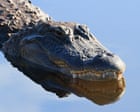
You stand at the edge of a pond in Winter Garden, rod in hand, watching ripples break the surface. It looks peaceful. It feels routine. Then, in a fraction of a second, the water explodes.
Steve Hamilton knew the risks of living in Florida. He was 71 years old, standing on a shoreline near a pond connected to Lake Apopka. When a nearly 12-foot alligator lunged from the bank, grabbed him, and dragged him into the water, it wasn't just a freak accident. It was another stark reminder of how quickly wildlife encounters turn deadly in the Sunshine State.
Emergency crews arrived at the park shortly after five in the evening following a frantic 911 call. They couldn't immediately reach him. Other gators hovered nearby, complicating the rescue effort. By the time authorities recovered his body hours later, the reality of living alongside an estimated 1.3 million alligators hit home again. Winter Garden police later tracked down and killed the animal responsible.
Fatalities like this are statistically rare. Since 1948, the Florida Fish and Wildlife Conservation Commission has recorded 34 human deaths from alligator attacks. Yet the frequency of aggressive encounters feels different lately. Just a few months prior, a 31-year-old woman named Brittany Clark was killed by a 13.5-foot alligator while swimming in the Econlockhatchee River.
People assume gators lurk deep in remote swamps. They don't. They sit right where you fish, walk your dog, or let your kids play.
The Reality of Living With Apex Predators
Florida's population keeps growing. More people mean more housing developments pushed right up against retention ponds, wetlands, and canal systems. Every single body of fresh water in the state potentially houses a reptile with enough bite force to crush bone.
Winter Garden police officials noted that the pond where Hamilton was fishing had tons of alligators in it, stating it was normal for that part of town. That normalization is dangerous. When locals see massive reptiles sunning themselves on grass banks every day, complacency sets in.
You start treating them like lawn ornaments. They aren't. They are ambush predators wired for speed and stealth. A 12-foot gator can sit motionless in two feet of murky water until you step too close to the drop-off.
What the Statistics Actually Tell Us
Let's look at the numbers without sugarcoating them. While 34 deaths since 1948 sounds low over a span of nearly eight decades, non-fatal bites happen much more frequently. The state handles thousands of nuisance alligator complaints annually.
Most attacks share common traits:
- Occurring near the water's edge rather than deep water.
- Happening during twilight hours when visibility drops.
- Involving people walking pets near ponds or shorelines.
- Feeding or illegal dumping of fish scraps, which conditions gators to associate humans with food.
When you fish from the bank, you create vibrations in the water. To a hungry reptile, those vibrations mimic struggling prey. You aren't just an observer standing on dry land; you are sending dinner bells straight into the water column.
How to Stay Safe When You Fish Near Gator Habitats
You don't have to quit fishing, but you do need to change how you operate around Florida waters. I've spent enough time near southern waterways to know that being casual about shorelines gets people hurt.
Here is what you actually need to do:
- Stand Back From the Bank: Never stand right at the water's line. Give yourself a buffer of at least ten feet. Keep your eyes on the water, not just your bobber.
- Watch the Time of Day: Alligators feed actively between dusk and dawn. Early morning and late evening trips require double the caution.
- Never Feed Wildlife: This sounds obvious, but anglers often toss bait or fish entrails back into the water right where they stand. That trains gators to patrol fishing spots.
- Keep Pets Far Away: Dogs splashing near the edge are prime targets. Their erratic movements attract gators faster than anything else.
Alligators don't hunt humans out of malice. They hunt because we wander into their kitchens while distracted. Respect the water, keep your distance, and never assume a pond is empty just because you can't see the scales breaking the surface.



