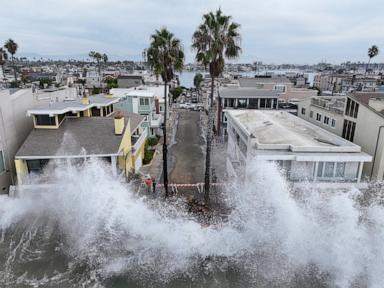
When the remnants of Tropical Storm Rachel slammed into Nevada, dumping roughly three inches of rain in a matter of hours, social media quickly filled with surreal footage of water cascading down casino stairwells on the Las Vegas Strip. For people unfamiliar with the region, it looks like a bizarre anomaly. For anyone living in the Desert Southwest, it is a stark, terrifying reminder that dry earth cannot drink fast enough when the sky opens up.
Right now, that flash flood risk isn't vanishing. Forecasters at the National Weather Service have extended flood watches across parts of Nevada, Arizona, Utah, and California as lingering moisture from Rachel pushes eastward and interacts with local terrain. If you think a desert downpass is just a quick inconvenience, you're missing the physics of what happens when millions of gallons of water hit concrete, asphalt, and baked clay.
Why Desert Storms Turn Deadly So Fast
Most of the country deals with soil that absorbs water over days of steady rain. The Southwest operates under an entirely different set of rules. Decades of baking sun turn the ground into something resembling concrete. When an atmospheric system like Rachel drops two to three inches of rain in a single night, the soil rejects the water almost entirely.
Runoff happens instantly. Water pools on highways, turns dry washes into raging torrents, and rushes toward low-lying urban areas before anyone can clear the streets. Drainage systems built for arid conditions often get overwhelmed in minutes. You get streets turning into rivers and parking garages turning into swimming pools because the sheer volume defies infrastructure limits.
The Real Danger Beyond the Las Vegas Strip
While dramatic videos of the Las Vegas Strip draw national attention, the true danger of these remnant tropical systems spreads far beyond neon lights. Rural highways in Arizona and Southern California cut through remote washes that can rise six feet in ten minutes.
Drivers often underestimate moving water. It takes just six inches of fast-moving water to knock an adult off their feet, and barely two feet to sweep a full-sized SUV away. When you combine darkness, mountainous terrain, and sudden road washouts, you get a recipe for fatal motorist traps.
What You Should Do If You Live or Travel in the Region
If you are currently in Nevada, Utah, Arizona, or California under an active flood watch, stop treating weather alerts like background noise.
- Stay out of washes and dry riverbeds: Never hike, camp, or park vehicles in dry washes, even if the sky directly above you looks clear. Water can rush miles downstream from a storm you never saw.
- Never drive across flooded roads: Turn around, don't drown. You cannot gauge the depth of the road or whether the pavement beneath has completely washed away.
- Keep devices charged: Flash floods frequently knock out local power grids and cellular towers, leaving neighborhoods isolated while emergency crews respond to high-water rescues.
The desert remembers water, and when tropical remnants roll inland, it takes back the landscape in a hurry. Respect the forecast, keep off flooded asphalt, and stop waiting for the water to make sense.



