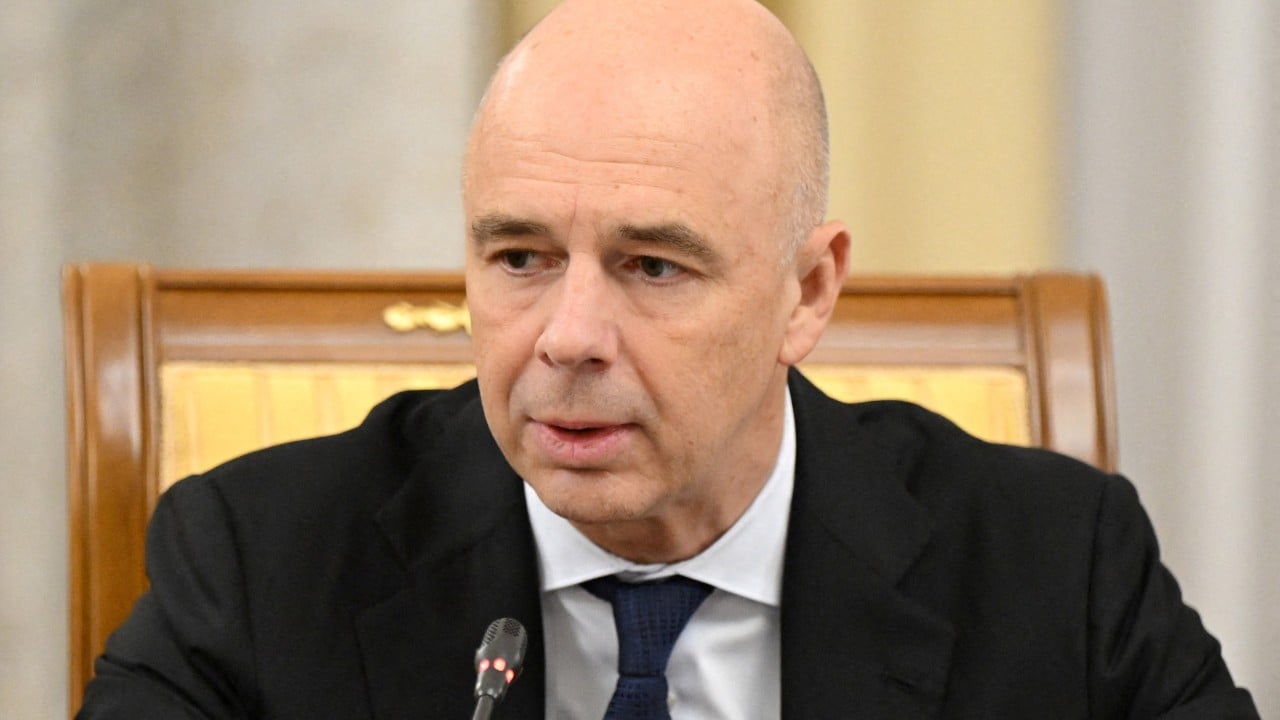
International economic forums are supposed to be about numbers, inflation forecasts, and global trade stability. Instead, they keep turning into high-stakes diplomatic battlegrounds. When Russian Finance Minister Anton Siluanov took the floor at the International Monetary Fund steering committee meeting in Bangkok, nearly a dozen European and Western delegates didn't stay to listen. They stood up, turned their backs, and walked out of the room.
This sharp diplomatic snub exposes a widening chasm between Western allies on how to handle Moscow's ongoing war in Ukraine. While Washington has pushed for pragmatic channels of communication and continued dialogue within global bodies, European capitals draw a hard red line. For nations directly feeling the security threat, sharing a room with a representative of the Kremlin feels like normalizing the un-normalizable.
The Bangkok Walkout and What It Means for Global Finance
The quiet exodus from the International Monetary and Financial Committee (IMFC) meeting wasn't an uncoordinated accident. Delegates from Denmark, Sweden, Finland, Norway, Lithuania, Latvia, and Estonia—alongside wider European Union and Canadian representatives—left the hall in unison as Siluanov began delivering his remarks in Russian.
It's a familiar theater that has played out repeatedly since the 2022 invasion of Ukraine. Every time Russian officials step up to a microphone at gatherings like the IMF, World Bank, or G20, Western unity fractures slightly over protocol versus protest. But this latest walkout carries heavier weight. It coincides with intense friction between Kyiv and Washington, following recent U.S. policy pivots and diesel deals with Moscow that left European partners scrambling to reassure Ukrainian President Volodymyr Zelenskyy.
The Transatlantic Divide Over Engagement
Why do some Western players advocate for keeping seats warm for Russian economic officials while others stage theatrical boycotts? The answer comes down to a fundamental disagreement over institutional utility.
Washington's diplomatic strategy often leans toward maintaining open lines of communication, arguing that economic bodies must function as global clearinghouses even during geopolitical crises. Treasury officials contend that blocking or ignoring Moscow entirely destroys multilateral coordination on macro-financial stability.
European nations see it entirely differently. For countries bordering Russia or funding refugee inflows, economic technocracy cannot be divorced from security realities. Letting Russian ministers address international summits without immediate pushback gives Moscow an unearned veneer of diplomatic legitimacy while missiles rain down on Ukrainian cities.
What Comes Next for Multilateral Institutions
The persistent friction threatens to paralyze global financial governance permanently. When steering committees spend half their energy managing walkouts, protests, and procedural disputes, actual policy work gets sidelined. Consensus statements become impossible to draft, and international lending bodies turn into ideological battlegrounds instead of crisis-response networks.
You can't pretend business as usual when a major economy is waging an aggressive war against its neighbor. Until there's a durable diplomatic or military resolution on the ground in Eastern Europe, expect every international summit to feature empty chairs whenever Moscow takes the microphone. The fracture is baked into the system now, and no amount of technical communique drafting is going to glue it back together.



