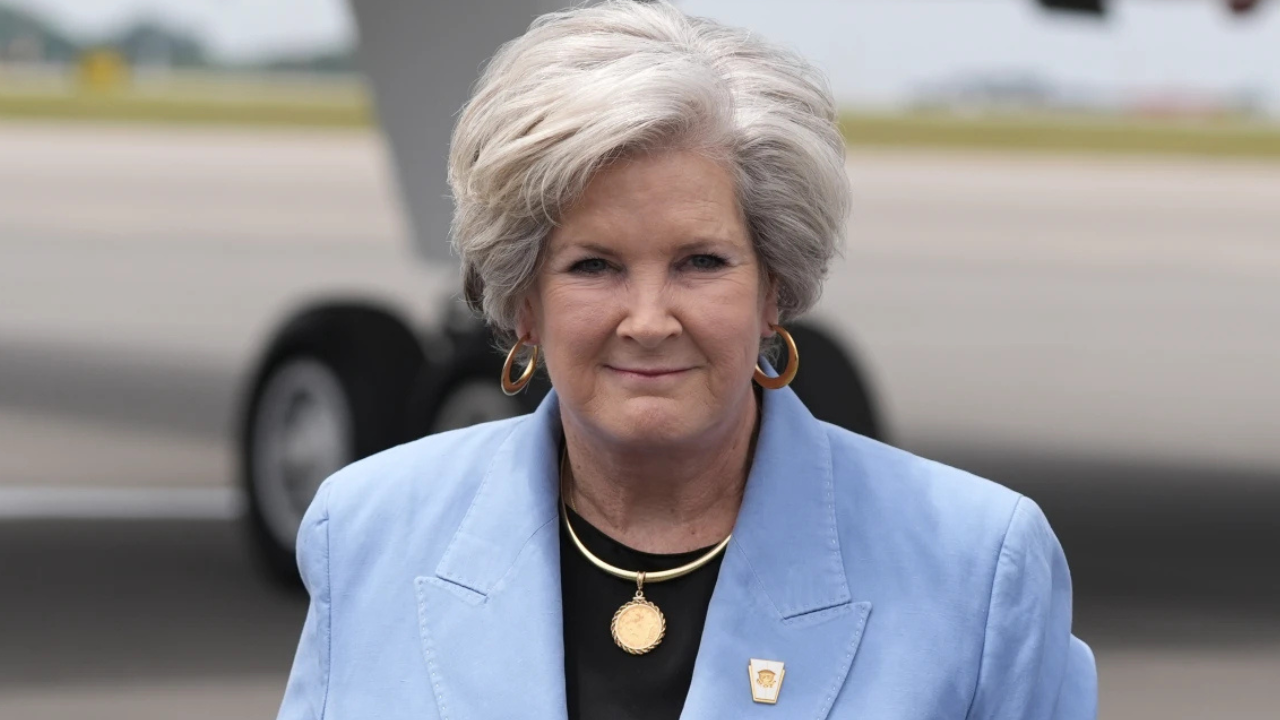
Power in Washington always devours its own. Ask anyone who has spent five minutes inside a presidential transition team, and they will tell you that the people who build the engine rarely get to drive it for long. Right now, whispers inside Mar-a-Lago point to serious turbulence around White House Chief of Staff Susie Wiles.
Rumors are flying that Donald Trump is quietly testing out potential replacements because Wiles has reportedly alienated key loyalists. If you look past the official press releases, the inner circle is leaking like a sieve. Wiles took the job with a reputation as a disciplined strategist, but discipline in a campaign often translates to bruised egos in government.
The Friction Behind the West Wing Doors
To understand why a replacement is even being discussed, you have to look at how Wiles operates. She is transactional, quiet, and notoriously protective of who gets access to the Oval Office. That style won Trump the election, but governing requires a different kind of bruising hand.
When gatekeepers start shutting out loyal foot soldiers, the blowback is swift. Sources close to the administration suggest that Wiles managed to alienate major power brokers, donors, and long-term MAGA influencers by acting as an unyielding traffic cop. Power brokers hate being told no by staff. They expect direct access to the principal.
Donald Trump notices when his allies start complaining en masse. He relies heavily on the ambient temperature of his social circle. If three different people tell him over dinner that his chief of staff is burning bridges, the wheels start turning. He doesn't like friction unless he is the one causing it.
What Most People Get Wrong About Chief of Staff Shuffling
Outsiders always assume that firing or replacing a chief of staff signals total chaos or a failing administration. That is rarely true. In modern presidential politics, early personnel churn is standard operating procedure. A campaign manager is built for warfare, not necessarily for managing a massive federal bureaucracy.
Susie Wiles achieved what very few operatives could by keeping a notoriously chaotic operation on the rails through a brutal election cycle. But running a campaign and running a White House are completely different sports. Campaign managers wield a hatchet. Chiefs of staff need a scalpel and a politician's charm.
When an operative crosses too many internal factions during a grueling campaign, those enemies don't just disappear after inauguration day. They wait. They bide their time. They feed stories to reporters about how the chief of staff has burned bridges, hoping to engineer a swift exit.
Who Could Step Into the Role
If Trump pulls the trigger on a transition, the shortlist will not consist of traditional establishment Washington insiders. Trump learned his lesson during his first term about trusting legacy political operatives who try to steer the ship away from his populist agenda.
Any serious replacement needs two specific traits. First, they must possess absolute personal loyalty to Trump without building an independent power base that threatens the family. Second, they need the administrative grit to push policy directives through entrenched federal agencies without getting bogged down in bureaucratic warfare.
Names floated in private circles tend to include seasoned loyalists who understand both the media landscape and internal executive management. Yet, moving too fast carries its own risks. Ousting a chief of staff early in an administration signals instability to Congress and foreign leaders.
The Reality of Inner Circle Politics
Washington thrives on palace intrigue. Half the reports about staff friction are amplified by rivals who want a specific job for themselves. You have to read between the lines of every anonymous leak coming out of the West Wing. Someone always benefits from planting a story about a powerful aide losing favor.
Wiles understood the assignment when she took the job. She knew that proximity to power is a temporary lease. Whether she exits next month or next year, the structural pressures of the modern presidency will eventually catch up to whoever sits in that chair.
Keep your eyes on who gets invited to the private dinners and who suddenly stops appearing in travel photos. That tells you more about the state of the West Wing than any official statement ever will.
Take a close look at how information flows around the president over the coming weeks. The real story isn't just about one person burning bridges. It is about who has the leverage to rebuild them before the next crisis hits.



