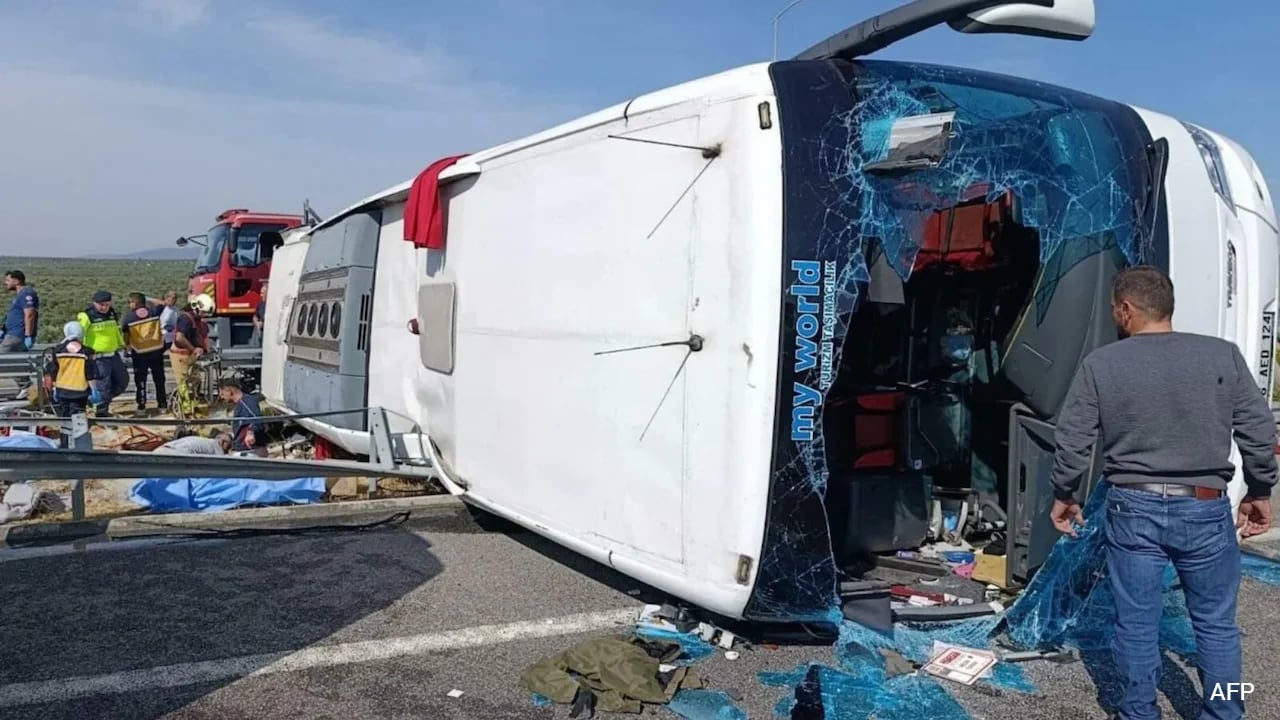
Eleven people are dead. Twenty-seven others are injured. A routine journey turned into absolute carnage on a highway in western Turkey when a passenger coach slammed into a truck near the motorway entry between Bursa and Izmir.
Tragedies like this don't happen in a vacuum. They expose glaring vulnerabilities in transport logistics, driver accountability, and highway oversight. When a deadly bus crash in Turkey dominates the headlines, the immediate reaction is shock. Then come the arrests. But detention of drivers rarely fixes a broken system.
The Anatomy of the Bursa Izmir Motorway Crash
The collision occurred on Sunday in the Manisa district. According to local authorities and updates shared by Interior Minister Mustafa Ciftci, the passenger coach overturned after colliding violently with a truck. Images from the scene paint a grim picture: a heavy coach sprawled across safety barriers with its windshield completely shattered.
Emergency crews rushed to the site, hauling victims to nearby hospitals while investigators cordoned off the corridor. But physical rescue operations only scratch the surface. Reports from Turkish media outlets, including Hurriyet, pointed toward a terrifying detail: the truck involved may have been a tow-truck traveling on the wrong side of the road.
If confirmed, that single detail shifts the entire narrative from standard driver fatigue to catastrophic infrastructural or operational failure. Wrong-way driving incidents on high-speed motorways are notoriously lethal because closing speeds multiply the kinetic energy of impact.
Accountability Versus Systemic Failure
Turkish authorities moved swiftly, detaining the drivers of both the coach and the truck pending a formal judicial investigation. It is the standard playbook. Someone has to carry the blame immediately.
Yet, pinning the entire catastrophe solely on the individuals behind the wheel ignores deeper questions. Were proper signage and physical barriers adequate at that motorway entry? Was the tow-truck engaged in active recovery work without proper escort or warning lights?
Driver detention is a legal necessity for a criminal probe, but it is an incomplete answer for public safety. Professional drivers face grueling schedules, immense pressure, and occasionally ambiguous road markings. When regulatory enforcement fails, human error turns fatal in seconds.
Addressing Road Safety Gaps
Public anger following such collisions usually burns bright and fades fast. If Turkey wants to prevent future highway tragedies, systemic changes must follow.
- Stricter Monitoring of Commercial Vehicles: Tow-trucks and heavy transport vehicles operating on major transit corridors need tighter digital tracking and mandatory spot checks.
- Improved Highway Infrastructure: Clearer signage, better illumination at motorway junctions, and advanced wrong-way detection sensors can save lives before a collision happens.
- Driver Welfare Enforcement: Overworked coach drivers often push past legal hour limits due to economic pressures. Enforcing strict rest compliance is non-negotiable.
Road safety isn't an accident of fate. It is the direct result of strict rules, reliable infrastructure, and uncompromising oversight. Until those pillars are strengthened, families will continue paying the ultimate price for highway negligence.



