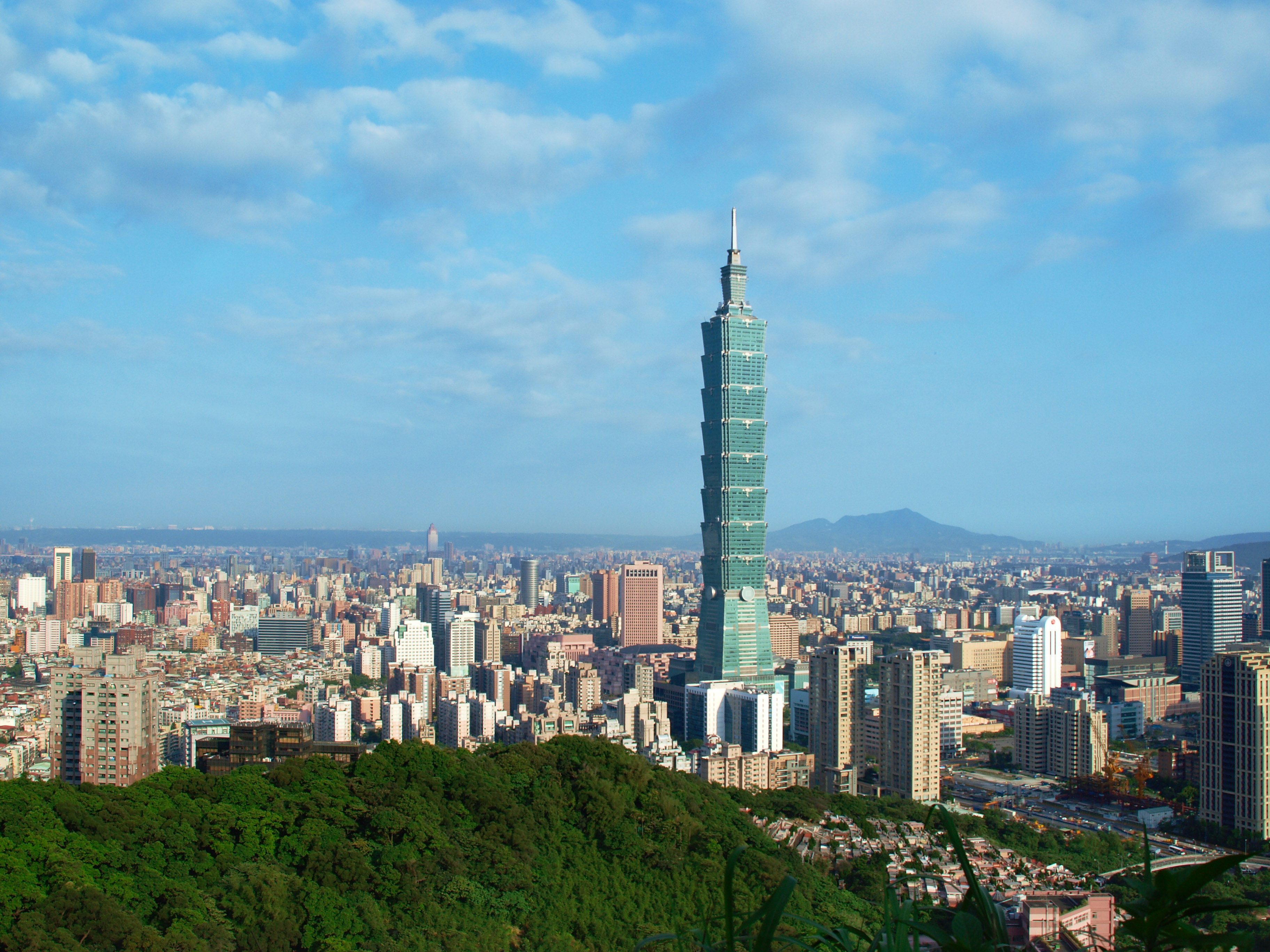
Another day, another round of military hardware buzzing Taiwan's borders. Taipei's Ministry of National Defence recently logged four Chinese military aircraft and six naval vessels operating right near its territory, with sorties crossing the sensitive median line to pierce the southern and northern air defense identification zones. This isn't random posturing. It's a calculated escalation designed to wear down Taiwan's defenders through sheer repetition.
If you track cross-strait security, you know these daily alerts look routine on paper. But routine pressure changes the strategic math over time. Beijing isn't just flying planes to make a point. They are methodically rewriting the status quo through a relentless strategy of gray zone attrition.
The Reality Behind the Daily ADIZ Breaches
People often ask why a handful of aircraft or a few naval ships make headlines when they don't fire a shot. The answer lies in the cumulative burden placed on Taiwan's armed forces. Every time a People's Liberation Army aircraft breaches the air defense identification zone, Taipei has to scramble jets, power up radar batteries, and burn precious operational hours.
Consider the numbers coming out of recent tracking data. Coast guard deployments and maritime movements have surged dramatically over recent months, averaging nearly eight Chinese vessels operating near Taiwan every single day. This constant presence includes a heavy mix of maritime law enforcement and civilian research ships.
Beyond Warships: The Hidden Threat of Civilian Research Fleets
Naval destroyers and fighter jets grab the television cameras, but the real shift is happening with civilian and research vessels. Experts like Ryan D. Martinson from the US Naval War College's China Maritime Studies Institute have pointed out that data collected by supposedly civilian Chinese research vessels goes straight to military planners.
This information gathering is vital for submarine and anti-submarine warfare. When research ships map the ocean floor, salinity, and thermal layers around Taiwan, they are building an underwater map for future conflict. It is a subtle tactic that evades direct military engagement while preparing the exact battlefield Beijing wants.
- Constant Pressure: Daily air and naval patrols normalize a heavy military footprint right up to territorial thresholds.
- Resource Drain: Taipei's armed forces must maintain constant readiness, burning fuel and straining maintenance cycles.
- Jurisdiction Creep: Regular coast guard patrols push Beijing's administrative footprint further into waters Taiwan historically managed alone.
What Beijing's Strategy Achieves Right Now
By keeping the pressure at a high simmer, Beijing accomplishes three core objectives without crossing the threshold into outright war. First, it conditions international observers to accept these incursions as the new normal. Second, it tests the response times and command resilience of Taiwan's military. Third, it signals deep displeasure with any political developments in Taipei that stray from Beijing's unification timeline.
You don't need a massive amphibious invasion to change facts on the water. You just need to show up every single day until the other side gets tired, runs out of budget, or loses international attention.
To understand where this is heading, watch the civilian and coast guard fleets rather than just the fighter jets. The real pressure point isn't a sudden, dramatic attack. It's the slow, suffocating squeeze of maritime dominance built one patrol at a time. Monitor the frequency of research vessel deployments and coast guard integration, because those metrics reveal Beijing's true operational timeline far better than official speeches.



