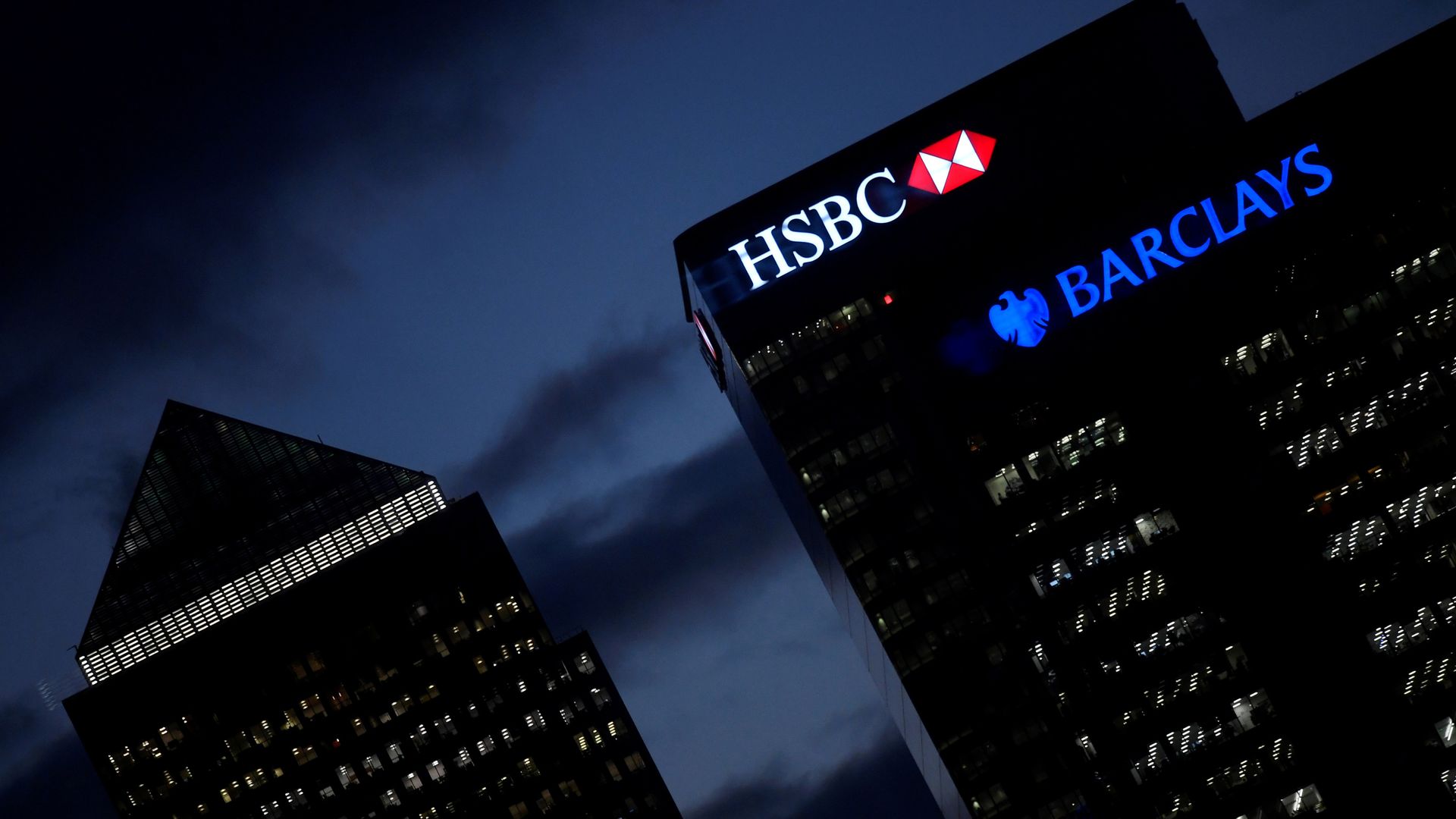
Markets hate surprises. When rumors swirl about a government budget targeting financial institutions, investors panic first and ask questions later. You watch bank shares slide on trading screens, and you wonder what it actually means for your money.
Let's cut through the noise. When lenders face the prospect of a windfall tax or higher corporation tax rates, equity values drop instantly. It happens because institutional investors reprice future cash flows. If a government takes a bigger slice of banking profits, less money flows back to shareholders through dividends and buybacks. Simple math drives the sell-off.
The Mechanics Behind the Bank Selloff
Think about how large financial institutions operate. They rely heavily on investor confidence, predictable regulatory environments, and stable margins. When a national budget leaks potential tax hikes on bank profits, traders react within seconds.
The core issue centers on profitability. Major lenders like Lloyds, Barclays, NatWest, or international equivalents operate under tight scrutiny. They already pay standard corporate taxes, plus supplementary surcharges in many jurisdictions. Adding another layer of fiscal pressure squeezes net income.
- Stock prices drop as projected earnings dip.
- Institutional funds trim exposure to manage risk.
- Retail investors panic-sell based on flashing red headlines.
It feels dramatic. Yet, this knee-jerk reaction often creates a disconnect between short-term noise and long-term business fundamentals. A bank doesn't suddenly stop collecting deposits or issuing mortgages because its tax bill ticks upward by a fraction of a percent.
Why Governments Target Lenders
Politicians love to eye the banking sector when looking to plug fiscal holes. Why? Because banks generate massive nominal profits, especially during high-interest-rate cycles. When central banks lift rates to fight inflation, commercial lenders rake in enormous net interest income—the spread between what they pay savers and what they charge borrowers.
To the public, these high earnings look unfair. Governments capitalize on that sentiment. Proposing a targeted levy on banking profits plays well politically. It signals to voters that the wealthy corporate sector is chipping in during tough economic times.
Behind closed doors, treasury officials know lenders absorb these shocks differently than regular retail businesses. Banks hold deep capital reserves. They move massive sums daily. Taxing them offers a quick, high-yield revenue stream for public services or debt reduction.
What This Means for Everyday Investors and Savers
If you own individual bank stocks or broad market index funds containing financial sector heavyweights, watching your portfolio dip stings. You might feel tempted to dump your shares to stop the bleeding. Take a breath.
Reacting emotionally to budget speculation usually costs you money. Governments float trial balloons before official budget announcements to gauge market reaction. Sometimes, rumored taxes get watered down or scrapped entirely after intense lobbying from banking trade bodies.
For savers, the impact is more indirect. Lenders might claw back some of those tax costs by tightening savings rates or increasing fees on accounts and loans. They rarely absorb regulatory hits entirely out of pocket. They pass the burden down the line where possible.
How to Navigate Financial Sector Volatility
- Review your portfolio diversification to ensure you aren't overexposed to a single industry facing regulatory headwinds.
- Separate short-term political posturing from the long-term earnings power of established financial institutions.
- Ignore sensationalized headlines that treat temporary market corrections as permanent economic collapses.
Markets adjust. Once the actual budget details land, uncertainty clears. Share prices often stabilize because the worst-case scenario turns out less severe than the rumors suggested.
Don't let budget season panic dictate your financial strategy. Look past the flashing red tickers, focus on underlying asset quality, and stay disciplined while the crowd scrambles for the exits.