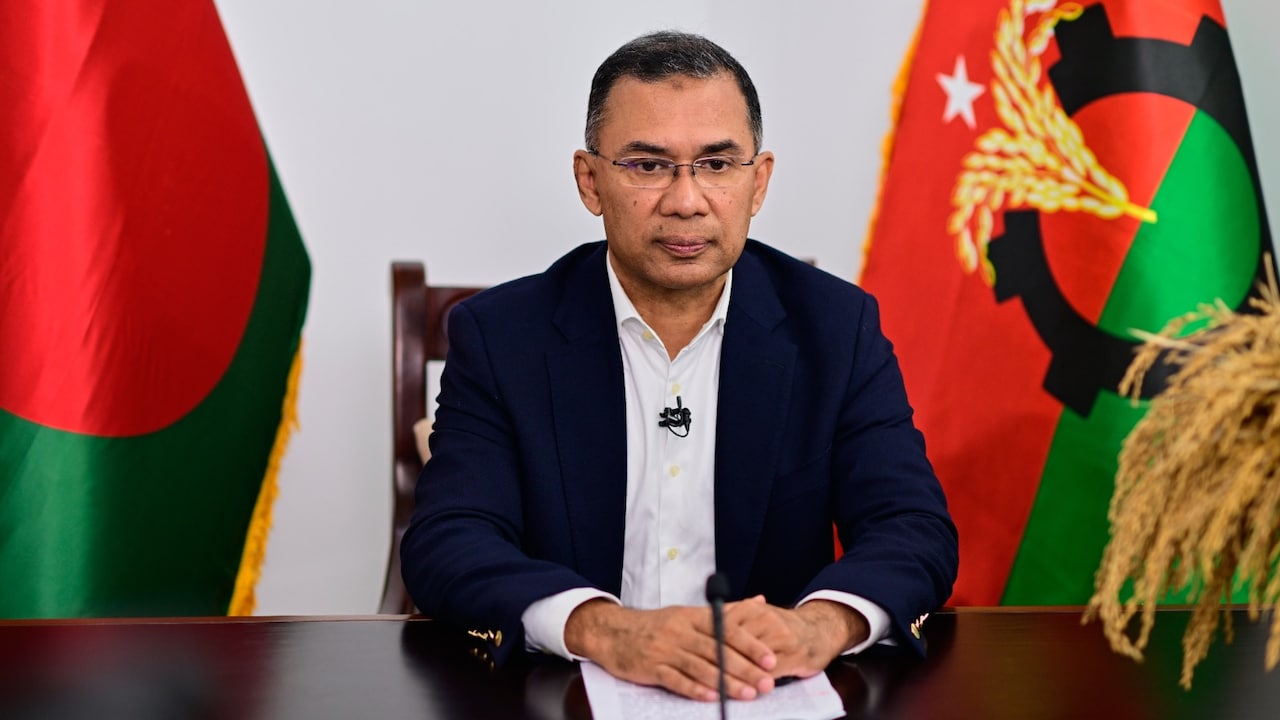
Festivals are supposed to be loud, chaotic, and joyful. For minority communities in South Asia, though, major celebrations often come with a heavy side of anxiety. When the calendar rolls toward Durga Puja, the atmosphere in Bangladesh gets complicated. This year, Prime Minister Tarique Rahman decided to tackle that anxiety head-on.
Instead of waiting for trouble or issuing generic press releases after the fact, the government stepped up well in advance. Rahman met directly with Hindu leaders from the Dhaka-17 constituency, covering high-profile areas like Gulshan and Banani. His message was blunt: citizens are citizens first, regardless of what sacred texts sit on their shelves.
You might wonder why this particular outreach matters so much right now. History leaves scars. Whenever political transitions happen in Dhaka, minorities hold their breath. Past decades saw sporadic violence, vandalized pandals, and terrified families staying indoors instead of celebrating on the streets. Words alone rarely stop bad actors from exploiting tense moments.
That is why the administration didn't just stop at talking.
Money talks louder than speeches. The government bumped the official financial grant for Durga Puja up to five crore Taka. On top of that, they extended government holidays for the festival to five full days. When you give people the time and the resources to celebrate properly, you signal that their traditions matter to the state treasury.
The security logistics go beyond land patrols, too. The Ministry of Shipping rolled out sixteen distinct directives for waterway travel during the festivities. Unfit vessels are banned. Nighttime speedboat operations are grounded. Rescue boats sit on standby. If you have ever crammed onto a crowded ferry heading home for the holidays across Bangladesh's massive river networks, you know how vital those rules are. Safety isn't just about preventing communal friction; it is about keeping people alive while they travel to see family.
Let us be honest about why leaders emphasize shared history during moments like this. Rahman pointed out a simple truth. People of all faiths fought side by side during the 1971 Liberation War. They stood shoulder to shoulder in the 1990 mass uprising and the chaotic political shifts of 2024. When blood gets spilled for independence and democratic rights together, separating citizens by religion later makes zero sense.
Yet, changing political rhetoric on paper does not instantly erase grassroots friction on the ground. Local law enforcement still has to execute these orders without bias. Police departments face immense pressure to keep sharp eyes on puja mandaps, especially in rural districts outside the capital where protection is harder to scale.
Community leaders have welcomed the financial boost and the high-level backing. Still, true security will be measured by what happens when the drums start beating and the idols head toward the rivers for immersion. If the five-day holiday passes without a single major incident, it sets a brand new benchmark for pluralism in the region.
Minority protection should never be treated as a seasonal political strategy. It is the baseline test of a functioning democracy. When heads of state state clearly that minority safety is a personal responsibility, accountability shifts right to the top. Keep an eye on how these administrative safeguards hold up over the coming week. The real test is starting right now.