For years, official British politics walked on eggshells around the 2016 European Union referendum. Prime ministers shrugged, parliamentary committees issued cautious statements, and the messy reality of the vote was treated as a purely domestic political earthquake. That era of polite denial just ended.
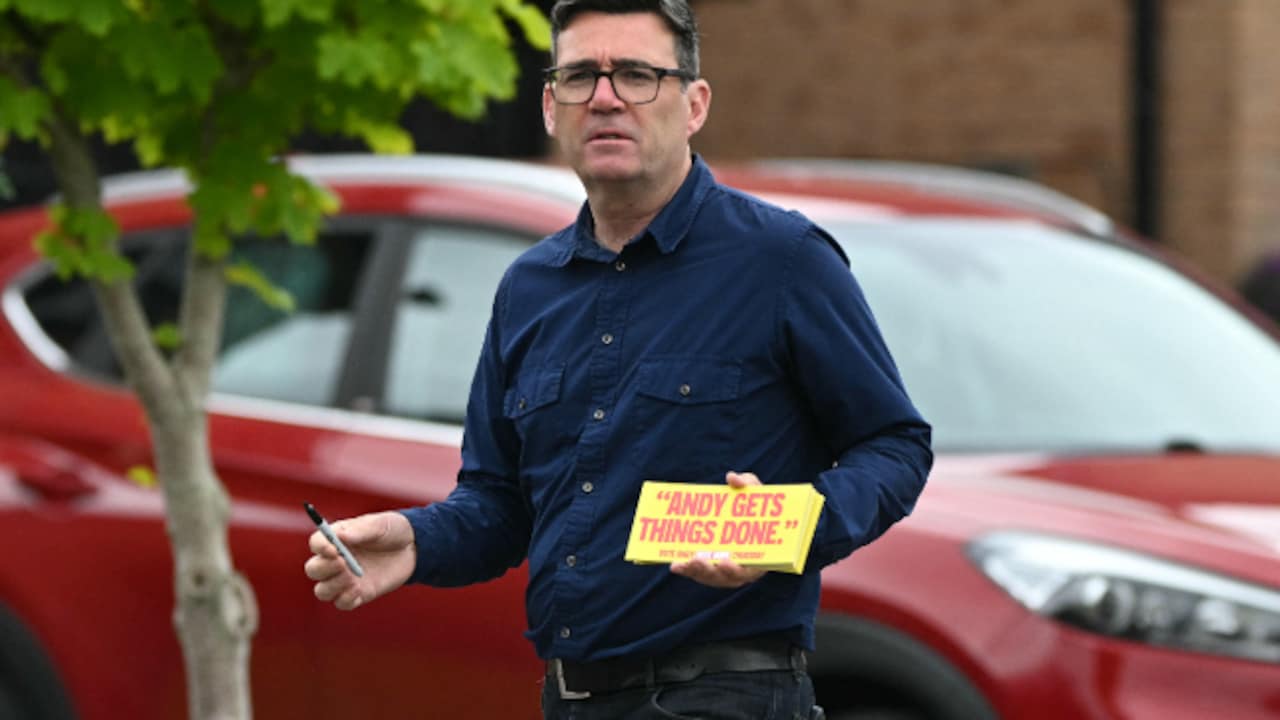
British Prime Minister Andy Burnham stated publicly that intelligence confirmed Russian interference in the 2016 Brexit vote. Speaking on The Rest Is Politics podcast, Burnham didn't bury the admission in bureaucratic prose. He stated flatly that upon entering Downing Street, he asked if Moscow meddled in the historic referendum and received a direct confirmation.
This marks a sharp break from past administrations. Back in 2020, Boris Johnson dismissed claims of significant meddling, and parliament's Intelligence and Security Committee famously concluded that the government never bothered to properly investigate the issue. Now, a sitting prime minister is putting it on the record, while also throwing fresh fuel on the fire by hinting at a future push to rejoin the European Union.
The Missing Evidence Problem
Here is where the story gets murky. Burnham dropped the bombshell claim without presenting the underlying intelligence or explaining the mechanics of how the interference operated.
Moscow's camp quickly brushed off the remarks as standard anti-Russian theater. Past investigations, including the heavily scrutinized 2020 parliamentary report, noted that while Russian influence campaigns targeting Western democracies are well-documented, proving a direct, vote-swinging impact on the 52-to-48 margin in Britain remains notoriously difficult.
Critics will argue that making such an explosive claim without immediate transparency leaves room for political maneuvering. If you are a prime minister floating the idea of dragging the country back into a divisive debate over European integration, pointing an accusing finger at external saboteurs is a fast way to reframe the legitimacy of the original 2016 result.
Warning Signs for Paris and Berlin
Burnham wasn't just talking about British history. He used the interview to sound an alarm for continental Europe, specifically warning voters in France and Germany about ongoing political disruption orchestrated by Moscow.
European democracies face a wave of upcoming electoral tests where digital disinformation and dark money routinely blur the lines of domestic debate. By dragging the Brexit conversation back into the light, Burnham wants voters across the Channel to view populist political shifts through the lens of foreign interference rather than organic local discontent.
Whether this warning lands or gets dismissed as partisan spin depends entirely on what Downing Street decides to declassify next. Vague assertions about meddling stopped working years ago. If London wants to rewrite the narrative of modern European politics, it has to show its receipts.
Keep track of upcoming European election security measures and watch for whether British intelligence agencies release a broader public assessment to back up the prime minister's claims.



