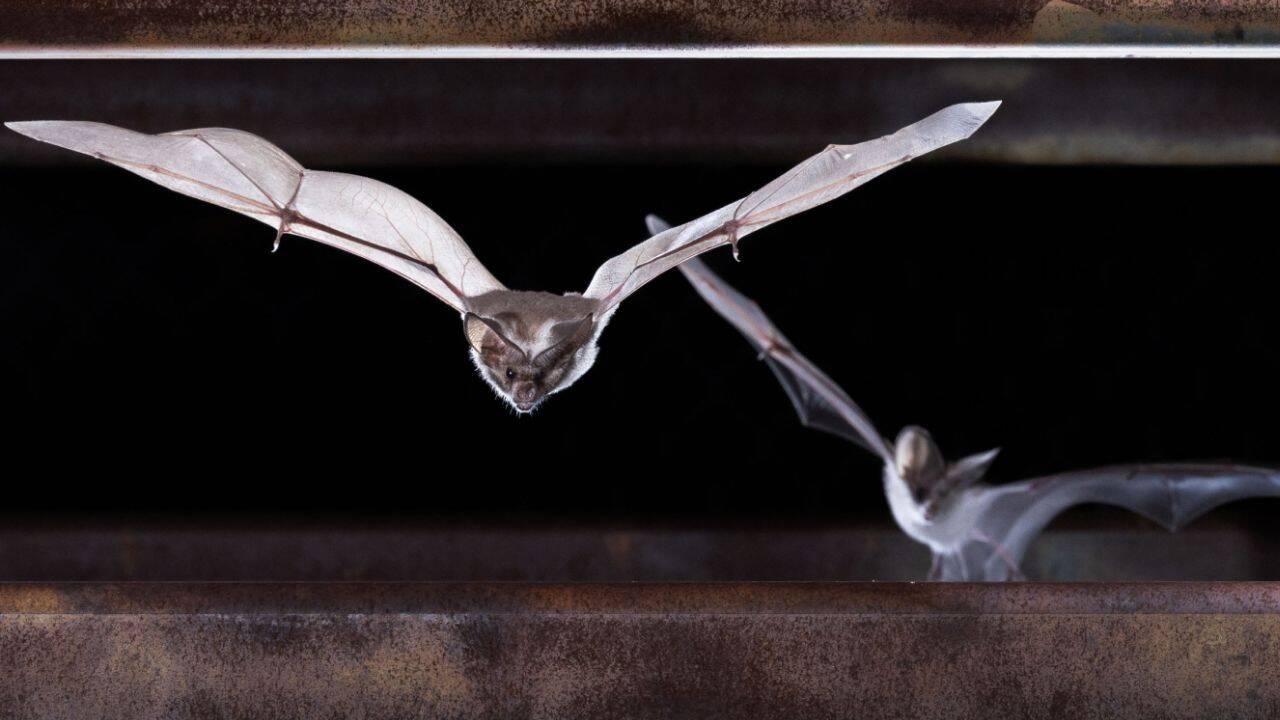
You drive down a dusty backcountry road in the American West, pass through ghost towns left behind by nineteenth-century fortune hunters, and see rusted metal skeletons poking out of the hillsides. These are remnants of old mining booms. They represent scars on the earth, symbols of environmental neglect and industrial extraction. Yet, nature is rewriting the script. Hundreds of thousands of abandoned US mines now serve as critical sanctuaries for bats, snakes, bobcats, and various other species.
It sounds counterintuitive. How can pitch-black, toxic tunnels filled with structural hazards become thriving wildlife refuges? The reality on the ground is complex, messy, and fascinating. Let's look at how abandoned subterranean networks morphed into subterranean ecosystems, and why wildlife experts are working overtime to protect them without getting people killed.
The Scale of the Abandoned Mine Problem
America's mining history left a massive footprint. Estimates point to upwards of 500,000 abandoned hardrock mine features scattered across the western United States alone, while coal mines pepper the eastern landscape. These sites date back to the 1800s and early 1900s, built during wild, unregulated extraction sprees where companies dug deep into the earth and walked away when the ore ran dry.
Government agencies like the US Geological Survey (USGS), through initiatives like the USMIN project, spend millions cataloging these hazards. Unstable rock faces, poisonous gases, open vertical shafts, and toxic runoff like acid mine drainage make these locations dangerous liabilities.
Yet, animals don't read hazard signs. When natural caves vanish due to human development or climate pressures, these man-made cavities fill an ecological void.
Who Is Actually Moving In?
Walk up to a sealed or partially collapsed adit in Arizona, Nevada, or Colorado, and you might hear the faint clicking of roosting bats. Organizations like Bat Conservation International (BCI) have documented a surprising diversity of wildlife utilizing these dark spaces.
Cave-roosting bats—including Townsend's big-eared bats, California leaf-nosed bats, pallid bats, and big brown bats—rely heavily on these underground networks. Because these tunnels mimic the stable, humid conditions of natural caves, they provide ideal microclimates for hibernation and maternity colonies. During freezing winters or scorching summers, a deep shaft offers stable temperatures that keep vulnerable species alive.
Beyond bats, the guest list gets wilder:
- Bobcats and foxes use tunnel mouths to escape predators and harsh weather.
- Ringtails, coatis, and javelinas forage around old entrances.
- Various snake and amphibian species find moisture and shelter in the damp stone.
- Barn owls and swallows nest on rocky ledges just inside the daylight zone.
The Conservation Dilemma: Safety Versus Sanctuary
You can't just throw up a concrete wall or detonate an explosive to seal every open mine shaft. Doing that wipes out entire colonies of endangered bats overnight. On the flip side, leaving a 300-foot vertical drop wide open invites tragedy for hikers, off-roaders, and curious explorers.
How do conservationists solve this? Enter the bat gate.
Engineers and biologists design specialized steel barriers featuring horizontal or vertical bars spaced just right. This setup achieves two critical goals: it blocks human entry entirely, stopping accidents before they happen, while leaving enough clearance for bats to fly through unhindered.
Before any gate goes up, field teams conduct rigorous biological and cultural surveys. They look for guano piles, insect wing debris, and historical artifacts. They map out the airflow and check seasonal temperature shifts to ensure the habitat remains viable after modification. It's delicate surgery on an industrial scar.
What Most People Get Wrong About Mine Reclamation
A common misconception is that nature simply heals itself if we leave these sites alone. In reality, abandoned mines can leak heavy metals into watersheds, poisoning local fisheries and ruining agricultural soil. Acid mine drainage remains a persistent headache for environmental regulators.
Conservation isn't about letting bad industrial sites sit untouched; it's about targeted intervention. Authorities prioritize sites based on public safety risks and ecological value. A collapsing coal mine leaking sulfuric acid gets immediate remediation. A stable hardrock drift hosting a maternal colony of rare big-eared bats gets a custom steel gate and continuous monitoring.
If you hike through historic mining country, respect the warning signs. These aren't adventure playgrounds. They are crumbling industrial hazards that happen to double as vital wildlife safehouses. The next time you think about an old mining boom, remember that the subterranean ghosts of the nineteenth century are now keeping modern wildlife alive.



