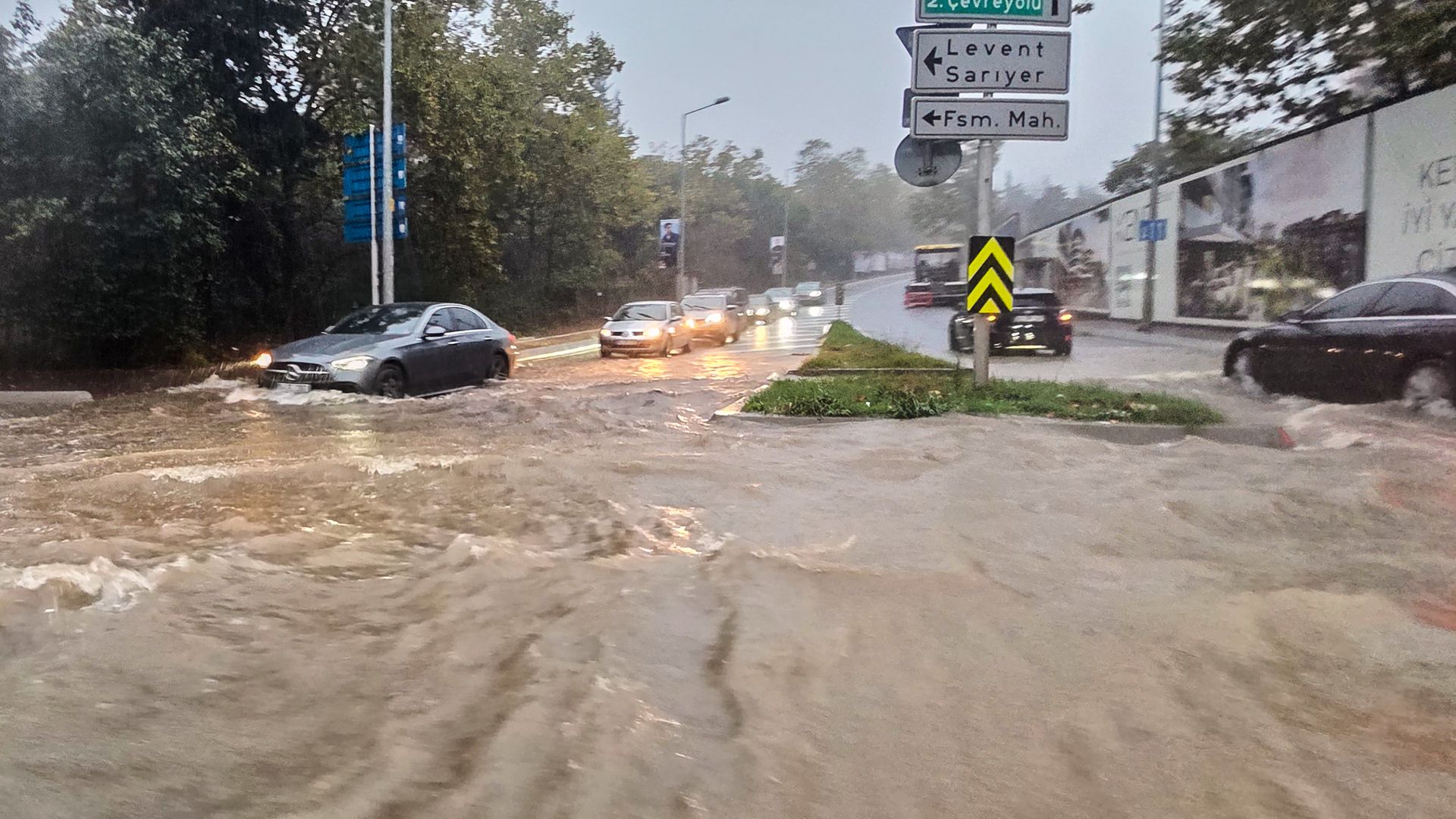
When the sky opens up over Istanbul, you don't just get a rain shower. You get a crisis.
Historic rainfall paralyzed Turkey's largest city, leaving three people dead, four missing, and emergency workers scrambling to rescue more than 2,700 stranded residents. Streets transformed into rushing rivers, cars were swept away like bath toys, and underpasses vanished beneath dark, churning water.
If you live here or follow urban infrastructure, you know this isn't just about bad weather. It's about a sprawling metropolis pushed to its absolute breaking point by extreme climate shocks and rapid, relentless construction.
The Night the City Flooded
The storm hit without mercy. According to the Istanbul Metropolitan Municipality, some districts recorded their highest precipitation levels since 1985, bringing an astonishing 272mm of rain in specific sectors.
The human cost was immediate and brutal. The Istanbul governor's office confirmed three tragic deaths: a 14-year-old lost their life to electrocution after stepping into a flooded puddle in the Fatih district, a 34-year-old slipped and hit their head on a rain-slicked pavement in Sarıyer, and a third victim was discovered near a park in Kağıthane. Four other individuals remain unaccounted for as search and rescue teams comb through debris and flooded zones.
Public transit ground to a complete halt. Roads turned into aquatic obstacles courses, and authorities took the swift precaution of banning motorcycles from traffic while advising residents in basement flats to seek shelter elsewhere. Schools shuttered their doors, and non-essential state employees were placed on emergency leave.
Why Istanbul Keeps Drowning
You might wonder how a city straddling two continents and centuries of history keeps falling victim to seasonal downpours. The answer lies beneath our feet and in our zoning laws.
Rapid urban expansion has paved over natural green spaces, creeks, and drainage basins. When concrete replaces soil, rainwater has nowhere to absorb. It races down hillsides, funneling directly into low-lying neighborhoods and coastal roads.
Further compounding the danger, structural vulnerabilities extend beyond the city center. In neighboring Sakarya province, roughly 93 miles east of Istanbul, a two-story residential house built directly on a riverbed completely collapsed under the pressure of the floods. Building in high-risk hydrological zones remains a ticking time bomb across the region.
What Needs to Change Right Now
Fixing urban flooding requires more than sandbags and emergency press conferences. Cities facing extreme weather patterns need hard, structural overhauls.
- Drainage Modernization: Decades-old drainage networks cannot handle modern storm volumes. Cities must invest in subterranean water retention basins and high-capacity pumping stations.
- Strict Zoning Enforcement: Building on riverbeds and floodplains must face absolute legal bans, with strict enforcement against illegal or poorly planned construction.
- Early Warning Systems: Integrated real-time alerts need to reach residents in flood-prone basements before water levels rise past the point of safe evacuation.
Weather agencies predict more showers for Istanbul and the surrounding areas in the coming days. If you're in the region, stay off unnecessary roads, avoid underpasses, and heed local governor warnings immediately.



