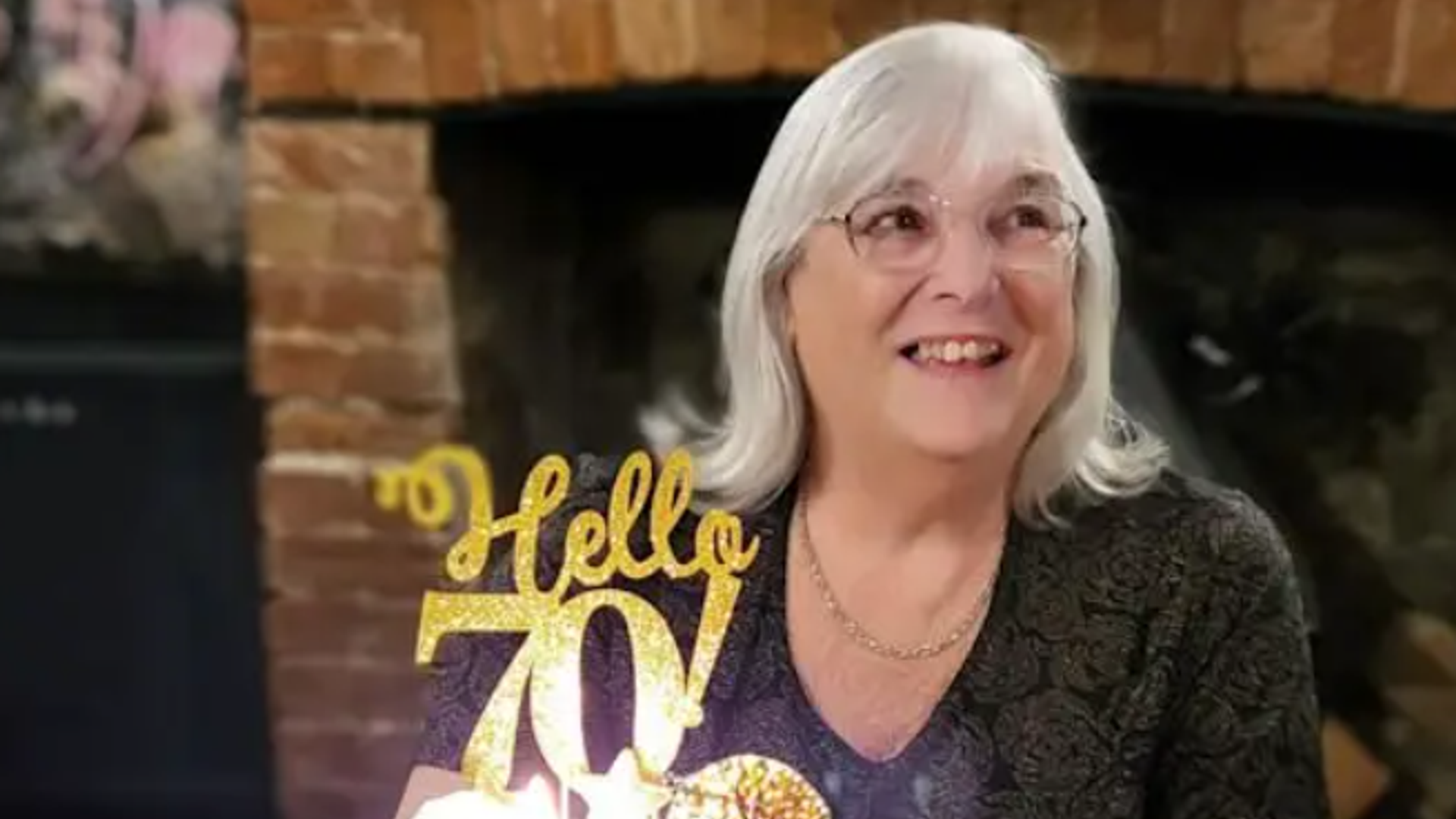
Nothing prepares you for the phone call. One moment you are living a normal routine, and the next, your entire reality shatters into jagged pieces. Families thrust into the harrowing spotlight of a murder investigation face an invisible nightmare that few outside the situation can ever truly grasp.
When a man was charged with the murder of a grandmother near Bristol, headlines flashed across screens with cold detachment. But behind that sterile news alert lies a grieving household grappling with profound shock and disbelief. Let's look closer at what happens when violence strikes the heart of a family and how loved ones navigate the immediate aftermath.
The Shockwave of Sudden Loss
Sudden violent crime leaves a distinct kind of scar. When someone dies of natural causes or a long illness, there is often time to prepare, to say goodbye, to process the impending absence. Murder steals that grace period entirely.
Families dealing with these tragic circumstances experience a paralyzing form of cognitive dissonance. How do you reconcile Sunday dinners, shared laughter, and quiet memories with police tape, forensic investigations, and court dates? You don't. You simply survive each hour as it comes.
- The initial numbness that makes everyday tasks feel impossible.
- The overwhelming media attention invading private grief.
- The agonizing weight of unanswered questions while police build their case.
Navigating the Legal Labyrinth
Once an arrest is made and a suspect is charged, the focus shifts immediately to the justice system. For most civilians, the courts are an alien world filled with complex jargon, endless delays, and agonizing procedural hurdles.
You quickly learn that justice moves at a glacial pace. Pre-trial hearings drag on for months. Each court appearance acts as a painful reset button, tearing open emotional wounds just as they begin to scab over.
Experts in victim advocacy note that families often suffer from secondary trauma during this period. The constant public scrutiny, armchair detectives on social media, and sensationalized reporting compound the private agony. It is a grueling endurance test where closure feels perpetually out of reach.
Finding Support in the Darkest Hours
You can't walk this path alone. Trying to isolate yourself or shoulder the burden in silence only deepens the trauma. Finding specialized victim support networks or grief counselors who understand violent crime bereavement is essential.
Communities often rally around affected families with crowdfunding campaigns or memorial vigils, but the internal battle remains intensely personal. Lean on those who offer unconditional comfort, and don't feel pressured to perform a socially acceptable version of grief.
If you or someone you know is navigating the aftermath of a violent crime, reach out to local victim support agencies immediately. Professional advocates can guide you through the judicial process, protect your privacy, and provide a safe space to process the unimaginable.
Take it one day at a time. Seek out the right professional guidance. Protect your peace in the storm.



